
Blooming
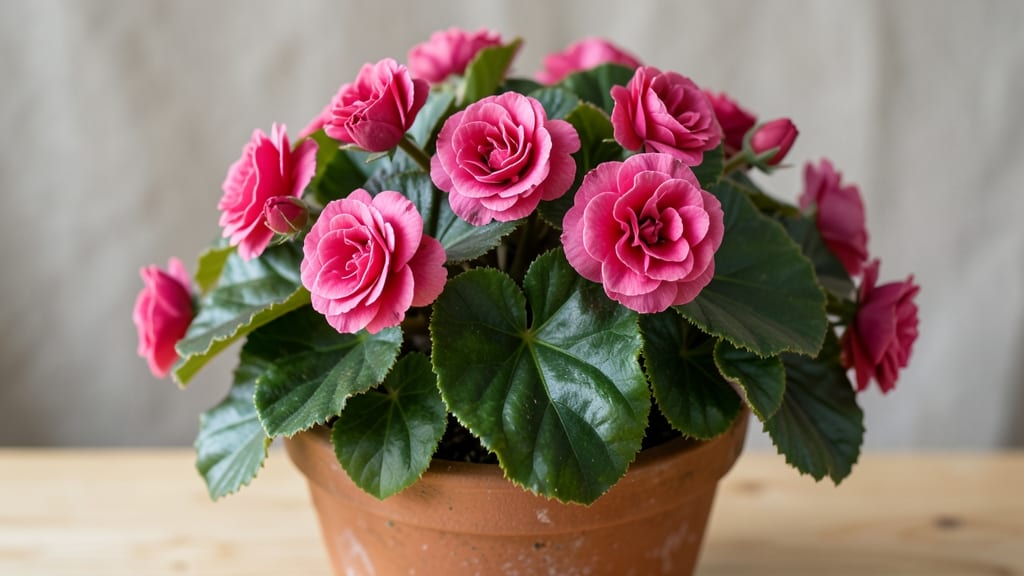
Double bloom begonias reward you with purple spikes that seem impossible to stop flowering—even when you forget to prune. 🌸 I’ve grown these for years, and the secret isn’t complicated: it’s about light, water, and a little strategic trimming to keep them blooming like clockwork.
These plants thrive in bright, indirect light—think east or west-facing windows or a shaded patio spot. Too much direct sun scorches the leaves, while too little light means fewer blooms.
The soil should stay evenly moist but never soggy, and a balanced fertilizer every 4-6 weeks keeps those double blooms coming. By pruning just the spent flowers (deadheading), you’ll trigger new blooms within 3-4 weeks.
The plants stay compact, making them perfect for indoor pots, hanging baskets, or garden beds. Even in winter, they’ll keep flowering if you keep them happy. The best part? They’re forgiving—even if you skip a watering or two, they bounce back. Here’s how to keep them blooming all year.
📚 In This Guide
- What you need
- Instructions
- Tips and common mistakes
- Wrapping up and next steps
What you need
- ● Double Bloom Begonia Plants: 3–5 healthy nursery-grown plants (check for Begonia × tuberhybrida varieties like 'Nonstop' or 'Dragon Wing').
- ● Well-Draining Potting Mix: 10–15 lbs of a peat-based or coco coir blend (e.g., 50% peat moss, 30% perlite, 20% vermiculite). Avoid heavy garden soil!
- ○ Containers: 6–8-inch pots with drainage holes (terracotta or plastic; 1 plant per pot). Optional: Hanging baskets for cascading varieties.
- ● Fertilizer: Balanced 10-10-10 or 20-20-20 liquid fertilizer (diluted to half-strength) or slow-release granules.
- ● Watering Can or Spray Bottle: With a fine rose attachment to avoid disturbing delicate blooms.
- ● Pruning Shears: Sharp, clean scissors (sterilize with rubbing alcohol between cuts).
- ○ Mulch (Optional but Helpful): 1–2 inches of orchid bark or pine needles to retain moisture.
- ● Light: Bright, indirect light (east or north-facing windows; avoid harsh afternoon sun). Pro tip: Use a grow light if natural light is insufficient!
- ● Temperature: Keep between 65–75°F (18–24°C). Avoid drafts or cold windows.
- ● Humidity: Aim for 50–70%. Use a humidity tray or pebble tray if your home is dry.
- ● Grow Lights: LED full-spectrum bulbs for 12–14 hours/day in low-light areas.
- ● Humidifier: Small tabletop models to boost moisture levels.
- ● Plant Food Booster: Fish emulsion or seaweed extract for extra nutrients.
- ● Decorative Stones: Smooth pebbles or moss for a polished look.
How to grow double bloom begonias for continuous purple flowers
Here's the straightforward method I've used to keep these striking plants flowering nonstop with almost no fuss.
🪴 Step 1: Select the Right Containers and Soil Mix
Choose 6-8 inch pots with drainage holes—begonias hate soggy roots. I use terracotta because it breathes better than plastic and helps prevent root rot. The soil needs to be light and airy; I mix 50% peat moss with 50% perlite to create a fast-draining blend that mimics their tropical forest habitat.
Fill the pot to about 2 inches from the rim and tap gently to settle the mix. The surface should be loose enough that your finger sinks in about ½ inch without resistance. This prevents compaction around the delicate roots. I always add a handful of orchid bark to the mix—it helps retain just enough moisture while preventing waterlogging.
🌱 Step 2: Plant and Water Immediately
Place your begonia in the center of the pot and fill around the roots with the prepared mix, pressing lightly to eliminate air pockets. The crown (where the stems meet the roots) should sit just above the soil line—never buried. Water thoroughly until water runs out the drainage holes, then let it drain completely.
Begonias are sensitive to overwatering, so I always check the soil before watering again. Stick your finger 1 inch deep—if it feels dry, water until the top inch is moist. If it's still damp, wait another day. The first few weeks are critical; too much water causes root rot, while too little causes buds to drop.
☀️ Step 3: Position for Bright, Indirect Light
Double bloom begonias need bright, indirect light for best flowering. A north or east-facing window works perfectly, but if you only have south or west exposure, place the plant 3-4 feet back from the glass to filter the intensity. Direct midday sun will scorch the leaves, turning them yellow and crispy.
Rotate the pot a quarter turn weekly so the plant grows evenly. You'll notice leaves leaning toward the light? That's your signal to move it closer or add a sheer curtain. Once you see new buds forming, keep the light consistent—fluctuations cause buds to drop before opening.
✂️ Step 4: Prune for Bushier Growth and More Blooms
When stems reach 6 inches tall, pinch back the tips just above a leaf node. This encourages branching and more flower spikes. I always use clean, sharp scissors to make the cut—never tear the stems, as this invites disease. After pruning, water lightly to help the plant recover.
Deadhead spent blooms by cutting the stem back to the nearest leaf node. This redirects the plant's energy into producing new flowers instead of seed pods. I do this every 2-3 weeks during peak bloom season, and my plants keep flowering nonstop. Just don't cut into woody stems—focus only on the flowering branches.
💧 Step 5: Maintain Humidity and Fertilize Lightly
Begonias love humidity—aim for 50-60%. In dry climates, I place the pot on a tray filled with pebbles and water, keeping the water level below the pebbles. As it evaporates, it creates a humid microclimate around the plant. Mist the leaves occasionally, but avoid getting water on the flowers.
Feed every 4-6 weeks with a balanced liquid fertilizer diluted to half strength. Too much fertilizer causes leafy growth at the expense of flowers, which is the opposite of what we want. I always fertilize after watering to prevent root burn. In winter, cut back to every 8-10 weeks—the plant grows slower when days are shorter.
Tips & tricks for perfect double bloom begonias
These simple tricks will help you keep your double bloom begonias flowering beautifully all year with minimal effort.
Soil Mix Secret: The 50/50 peat moss and perlite blend is crucial, but don't skip the orchid bark—it's what makes the difference between soggy roots and perfect drainage. I always add an extra handful of bark to the mix because it helps maintain that ideal moisture balance without compacting over time. This prevents the common problem of root rot that plagues so many begonia growers.
Watering Wisdom: That 1-inch deep soil check in Step 2 is your best friend. Begonias are finicky about water—too much causes root rot, too little causes buds to drop. I've found that using a moisture meter helps beginners visualize when it's time to water. The meter should read "dry" at the 1-inch mark before you water again. This takes the guesswork out of the process completely.
Lighting Hack: If you notice your begonia's leaves stretching toward the light (a condition called etiolation), it's a clear sign it needs more brightness. Move it closer to the window or add a grow light for 6-8 hours a day. I've seen plants that were almost leggy transform completely within just 2 weeks of better light conditions. The key is bright but indirect light—think dappled sunlight through a sheer curtain.
Pruning Perfection: When you're pinching back those 6-inch stems in Step 4, make sure your scissors are clean and sharp. Dirty tools can introduce bacteria that causes stem rot. I always wipe the blades with rubbing alcohol between cuts. Also, don't be afraid to be aggressive with deadheading—cutting back to the nearest leaf node every 2-3 weeks is what keeps those purple spikes coming nonstop throughout the year.
Pro Tips for Double Bloom Begonia
- These simple tricks will help you keep your double bloom begonias flowering beautifully all year with minimal effort.
- Soil Mix Secret: The 50/50 peat moss and perlite blend is crucial, but don't skip the orchid bark—it's what makes the difference between soggy roots and perfect drainage.
- Watering Wisdom: That 1-inch deep soil check in Step 2 is your best friend.
Frequently asked questions
How often do double bloom begonias flower, and how can I encourage more blooms?
Double bloom begonias typically produce continuous blooms with proper care—think purple spikes year-round! To boost flowers, ensure they get bright, indirect light (like an east-facing window) and avoid overwatering. Pinch back leggy stems in early spring to promote bushier growth and more blooms. Pro tip: Feed with a balanced, water-soluble fertilizer every 4–6 weeks during active growth!
Can double bloom begonias survive winter indoors, and what’s the best care routine?
These beauties thrive indoors year-round. In winter, reduce watering (let the top inch of soil dry out) and avoid cold drafts. Keep humidity high with a pebble tray or humidifier—double bloom begonias hate dry air. If leaves yellow, you’re likely overwatering. A south-facing window or grow lights will keep them blooming even in low-light months.
What should I do if my double bloom begonia’s leaves turn yellow or brown?
Yellow leaves usually mean overwatering, while brown edges often signal low humidity or underwatering. Check the soil—it should be moist but not soggy. Adjust your watering schedule (water when the top inch is dry) and mist leaves occasionally. If brown spots appear, remove affected leaves and ensure good airflow to prevent fungal issues.
Are there any low-maintenance alternatives to double bloom begonias for similar purple blooms?
If you love the purple spikes but want less fuss, try angel wing begonia (drought-tolerant) or cane begonia ‘Dragon Wing’ (hardy and prolific). For trailing purple blooms, petunia ‘Wave’ or fuchsia are great substitutes. Just note: Double bloom begonias are unique for their double-layered flowers—few plants match their year-round color!
Do I really need to prune double bloom begonias, or is it optional?
Pruning is highly optional but helps keep your plant full and healthy. Light trimming after blooms fade encourages new growth. If your begonia gets leggy, snip back stems by ⅓ to promote bushiness. No pruning? No problem—just deadhead spent blooms to redirect energy. Minimal effort = maximal blooms!
Wrapping up and next steps
Double Bloom Begonias are a low-maintenance, high-reward choice for year-round color—just a little pruning and patience go a long way! 🌸 Their vibrant purple blooms and lush foliage make them a standout in any garden or container, proving that stunning results don’t require endless effort.
Ready to level up your green thumb?
Your next step? Pick a spot, grab your shears, and start shaping! Whether you’re trimming for fuller blooms or just tidying up, every snip brings you closer to a flourishing, purple-spiked paradise. Happy gardening! 🌿✨