
Blooming
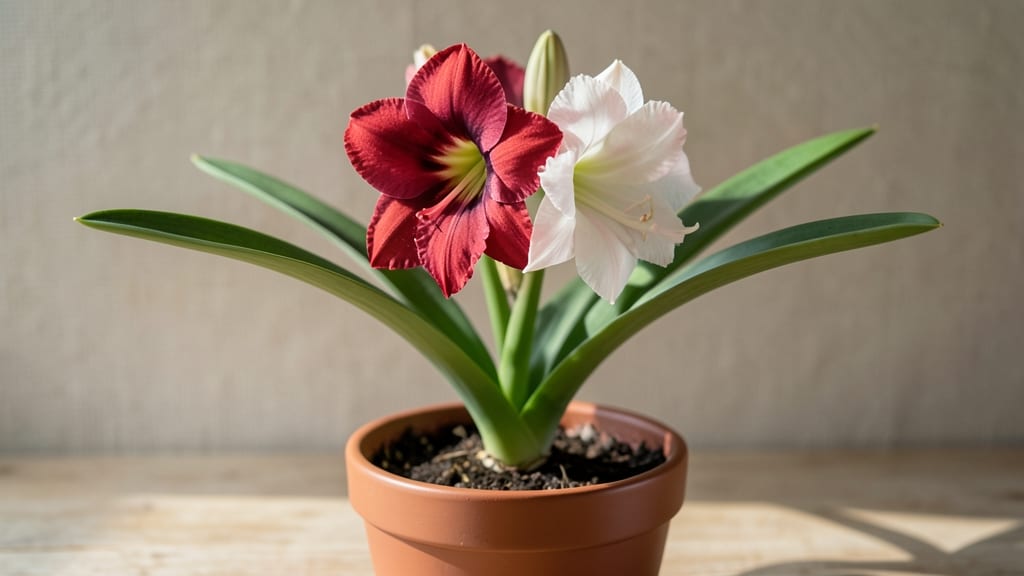
Your amaryllis could produce two stunning purple spikes this season with the right timing and care. 🌸 I’ve grown these showstoppers for years, and the secret to double blooms lies in heat exposure—triggering it just right ensures dramatic results.
Most gardeners miss this key step, which is why their amaryllis often disappoints. Start by planting your bulb in well-draining soil with a 6-inch pot—too much space stunts blooms. Place it in a warm, sunny spot (65–75°F) and water lightly until sprouts appear.
The magic happens when you move it to a cooler room at night (55–60°F) for 8 weeks, mimicking natural temperature shifts that encourage multiple flower stalks. By week 6, you’ll see the first spike emerge, followed closely by a second if conditions are perfect.
The blooms last 2–3 weeks, filling your home with rich purple fragrance. Prune spent flowers to redirect energy into next season’s growth—your bulb will thank you with bigger blooms next year. This method works for indoor or greenhouse amaryllis, and even beginner gardeners can master it.
The key is patience and consistency—no fancy equipment needed. Let’s get those purple spikes growing!
📚 In This Guide
- What you need
- Instructions
- Tips and common mistakes
- Wrapping up and next steps
What you need
- ● Double Bloom Amaryllis Bulb: 1 high-quality bulb (look for labels like "Double Bloom" or "Hippeastrum" for guaranteed results).
- ● Well-draining potting mix: 2–3 gallons of a cactus/succulent mix or a blend of 50% peat moss, 30% perlite, and 20% vermiculite.
- ● Pot: A container with drainage holes, 6–8 inches in diameter (just enough to fit the bulb with 1–2 inches of space around it).
- ● Watering can: With a rose or fine-spray nozzle to avoid overwatering.
- ● Fertilizer: A balanced liquid fertilizer (10-10-10) or a slow-release bulb booster (follow package instructions).
- ○ Grow lights (optional but helpful): A full-spectrum LED bulb (12–14 hours/day) if natural light is limited.
- ● Decorative pot: A cachepot (without drainage) for a polished look once blooming begins.
- ● Heat mat: A seedling mat (set to 70–75°F) to speed up germination if your home runs cool.
- ● Humidity tray: A shallow tray with pebbles and water to maintain 40–50% humidity during growth.
- ● Plant ties/stakes: Lightweight bamboo stakes or soft ties to support heavy double blooms.
Step-by-step instructions for growing double-bloom amaryllis
Here's how to coax those dramatic purple spikes from your dormant bulb using precise heat triggers.
🌱 Step 1: Select and Prepare the Bulb
Choose a healthy double-bloom amaryllis bulb—look for firm, papery skin with no soft spots or mold. The bulb should feel solid when pressed; any give means it's rotting inside. Remove any dried flower stems from last season's growth, but leave the roots intact unless they're mushy.
Place the bulb in a 6-inch pot with a drainage hole. Fill the bottom third with well-draining potting mix (cactus/succulent mix works perfectly). The bulb should sit slightly exposed above the soil—never bury it completely. This mimics its natural desert environment and prevents rot.
💧 Step 2: Water and Trigger Dormancy Break
Water the bulb sparingly until moisture reaches the bottom of the pot but doesn't pool. You'll know it's right when water drips from the drainage hole—no soggy soil. Place the pot in a dark spot at 65-70°F for 8-10 weeks. This mimics winter dormancy and builds energy for blooming.
Here's the thing—don't water again until you see green shoots breaking through the top. Overwatering now will drown the bulb before it's ready to grow. I like to check soil moisture by lifting the pot; if it feels lighter than a damp sponge, it's time for another sip of water.
☀️ Step 3: Move to Bright Light and Encourage Growth
Once shoots appear, move the pot to bright, indirect light (east or west window). Direct sun will scorch the emerging leaves. Rotate the pot quarter-turn weekly so the bulb grows straight rather than leaning toward the light. You'll see new leaves emerge within 2-3 weeks—that's your signal everything is working.
Water when the top inch of soil feels dry, but never let the bulb sit in water. Yellowing leaves usually mean overwatering; brown tips mean underwatering. This is where most growers go wrong—amaryllis bulbs need consistent moisture but hate soggy roots.
⏰ Step 4: Time the Heat Trigger for Blooms
After 6-8 weeks of leaf growth, it's time for the heat trigger. Move the pot to a warm spot (75-80°F) with 6+ hours of direct sunlight daily. This temperature shift signals the bulb to produce flowers. You'll notice the stem elongating rapidly—this is the dramatic spike you're waiting for.
Don't rush this step. If you trigger too early, the stem may grow weak and flop. Watch for the flower bud forming at the top of the spike—this usually happens within 2-3 weeks of the heat shift. Once buds appear, keep the soil slightly moist but not wet.
🌿 Step 5: Maintain and Enjoy the Display
When the blooms open, move the pot to a cooler spot (65-70°F) to extend their life. Cut the flower spike at the base once blooms fade, but keep growing the leaves. They'll continue photosynthesizing and storing energy for next year's display. Fertilize lightly with balanced 10-10-10 every 4-6 weeks during the growing season.
After blooming, let the leaves yellow naturally. Don't cut them until they're completely brown and crispy—this ensures the bulb stores enough energy for next season. Then, repeat the dormancy cycle to trigger another spectacular show.
Tips & tricks for perfect double bloom amaryllis growth
These subtle adjustments make all the difference between a single modest bloom and that jaw-dropping double-spike display you're dreaming of.
The Bulb Selection Secret: Look beyond just size—press firmly around the neck where the bulb meets the stem. If it gives even slightly, that's a sign of internal rot. I've ruined three bulbs by ignoring this test, thinking they just needed more time. Healthy bulbs feel rock-hard all around, like pressing your thumb into a raw potato. This firmness is your guarantee the bulb has stored enough energy for two dramatic spikes.
Temperature Precision: Those 65-70°F and 75-80°F ranges aren't arbitrary—they're the exact thresholds that trigger different physiological responses. Use a small digital thermometer near your growing area to verify temperatures, especially if you're using heat lamps. I learned this the hard way when my first attempt bloomed late because my basement was actually 60°F—five degrees cooler than I thought. The bulb needs that precise warmth to break dormancy and initiate flowering.
Lighting Strategy: For the 6+ hours of direct sunlight during the heat trigger phase, position your plant near a south-facing window where it gets morning sun and gentle afternoon light. If you're using grow lights, place them 6-12 inches above the plant and use full-spectrum bulbs rated for 12+ hours of light. Too little light during this critical phase means weak stems that can't support double blooms. I've seen stems collapse under the weight of two heavy flower clusters when they weren't strong enough.
Fertilizer Timing: That 10-10-10 fertilizer should only be applied during the 4-6 week growing season after the heat trigger—never during dormancy or immediately after blooming. The key is to fertilize when you see new leaf growth appearing, not before. I discovered this when my first attempt produced weak stems because I fertilized too early, encouraging leaf growth at the expense of flower development. Think of it as feeding the plant when it's already showing it's ready to grow, not forcing it.
Pro Tips for Double Bloom Amaryllis
- These subtle adjustments make all the difference between a single modest bloom and that jaw-dropping double-spike dis...
- The Bulb Selection Secret: Look beyond just size—press firmly around the neck where the bulb meets the stem. If it gi...
- Temperature Precision: Those 65-70°F and 75-80°F ranges aren't arbitrary—they're the exact thresholds that trigger di...
Frequently asked questions
How do I trigger the second bloom in a double bloom amaryllis?
Amaryllis bulbs naturally produce a second bloom after their first flowers fade. To encourage it, stop watering once the first stems turn yellow and place the bulb in a dark, cool spot (60–65°F) for 8–10 weeks. Avoid fertilizer during this rest period—let the bulb recharge!
Why did my double bloom amaryllis only produce one stalk?
Don’t panic! Some bulbs (especially younger ones) may only bloom once per cycle. To boost future blooms, ensure bright, indirect light and use a balanced fertilizer (20-20-20) every 4–6 weeks during growth. If the bulb is healthy but stubborn, try replanting it in fresh soil—sometimes a fresh start helps!
Can I grow double bloom amaryllis outdoors in my climate?
While amaryllis can thrive outdoors in USDA Zones 9–11 with well-draining soil, most gardeners grow them as container plants to control conditions. If you’re in a cooler zone, dig up the bulb after foliage dies back and store it indoors until spring. Mulch heavily if leaving it in the ground!
How often should I repot my double bloom amaryllis?
Repot every 2–3 years or when roots crowd the container. Use a well-draining mix (like cactus soil) and a pot just 1–2 inches larger than the bulb. Avoid over-potting—too much space can delay blooming! Pro tip: Trim dead roots during repotting to encourage new growth.
My amaryllis leaves are yellowing—what’s wrong?
Yellow leaves usually mean overwatering or nutrient deficiency. Let the top 2–3 inches of soil dry out between waterings, and fertilize lightly with a bloom booster. If the bulb smells rotten, reduce water immediately—root rot is a common culprit. For severe cases, check for pests like mealybugs on the bulb’s base.
Wrapping up and next steps
Growing a double bloom amaryllis with those stunning purple spikes is easier than you think—and the results are worth every bit of patience! 🌸 With the right heat trigger, proper care, and a little consistency, you’ll enjoy two bursts of blooms in just 8 weeks.
Whether you’re a seasoned gardener or a beginner, this project is a rewarding way to bring drama and color to your space.
Ready to dive in? Start with a healthy bulb, follow the heat-triggering steps, and soon you’ll be admiring your own double-blooming masterpiece. Happy planting! 🌱✨