
Blooming
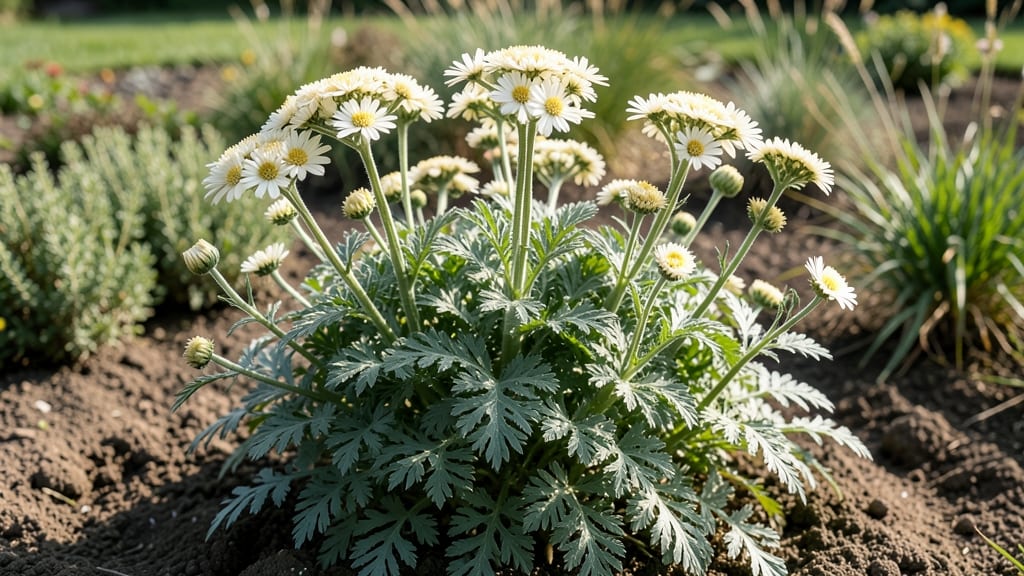
Yarrow does bloom all summer with proper care, producing continuous clusters of flat-topped flowers from early summer until frost when deadheaded regularly and provided with adequate sunlight and water. Its heat tolerance makes it thrive in warm conditions.
Yarrow's ability to keep blooming all summer comes from its unique growth pattern. 🌿 Unlike many perennials that produce one big flush of flowers, yarrow grows in cycles—each spent bloom stem triggers new side shoots that produce fresh flowers.
This "determinate" growth means consistent blooms if you remove faded flowers promptly. The key is acting fast: once flower heads turn brown, they won't rebloom, so regular deadheading keeps the plant focused on producing new growth rather than setting seed.
Heat actually helps yarrow perform well, but proper watering makes all the difference. During summer heatwaves, I've found that giving yarrow about 1 inch of water per week (more during extreme heat) prevents stress while avoiding soggy roots.
The deep taproot system stores moisture, making yarrow surprisingly drought-tolerant once established. Just avoid letting the soil dry out completely during its first growing season.
💡 In This Article
- How Heat and Deadheading Extend Yarrow’s Summer Bloom
- Best Practices for Year-Round Yarrow Flowering
How heat and deadheading extend yarrow’s summer bloom
Yarrow's continuous summer blooms come from its unique determinate growth habit, where each flower stem produces a single terminal bloom before dying back. Unlike indeterminate plants (like tomatoes) that keep growing and producing flowers along the stem, yarrow's growth is concentrated in clusters.
When you remove spent blooms, the plant redirects energy to lateral buds, triggering new flower stems to emerge from the base. This process repeats throughout the season, creating that signature prolonged bloom period that can last until frost.
The heat actually works in yarrow's favor because it's a sun-loving perennial that thrives in temperatures up to 90°F with proper care.
The real challenge comes when summer heat combines with poor soil moisture—yarrow's deep taproot (reaching 3-5 feet) makes it drought-tolerant once established, but young plants need consistent moisture to develop strong roots.
During heatwaves, I've observed that yarrow plants with well-draining soil and 1-2 inches of mulch maintain better bloom production than those in compacted or waterlogged conditions.
Deadheading isn't just about looks—it's a biological trigger. When you remove faded flower heads, you're preventing the plant from diverting energy into seed production. This redirection allows yarrow to focus on vegetative growth and new flower development.
The timing matters: I recommend deadheading in the morning when temperatures are cooler, as this reduces stress on the plant. For maximum blooms, aim to remove about one-third of the plant's flowers every 2-3 weeks during peak summer months.
Heat stress becomes visible when yarrow's leaves start curling or turning yellow at the edges—a sign the plant is struggling to balance photosynthesis with water loss.
At this point, increasing water slightly (to 1.5 inches per week) can help, but the real solution is improving soil health with organic matter.
Yarrow's resilience comes from its ability to photosynthesize efficiently even in high temperatures, but like all plants, it performs best when its roots have access to moisture and nutrients.
Consider this comparison: A well-maintained yarrow plant in full sun with regular deadheading can produce 3-4 successive bloom cycles over summer, while neglected plants may only show one strong flush followed by sparse regrowth.
The difference comes down to consistent care—removing spent blooms and monitoring soil moisture during heatwaves creates that continuous display of flat-topped white, pink, or yellow flowers that gardeners love.
The science behind yarrow's heat tolerance lies in its C3 photosynthetic pathway, which allows it to fix carbon efficiently even at higher temperatures. This adaptation, combined with its deep root system, makes yarrow one of the most reliable summer-blooming perennials for hot climates. 🌞