
Blooming
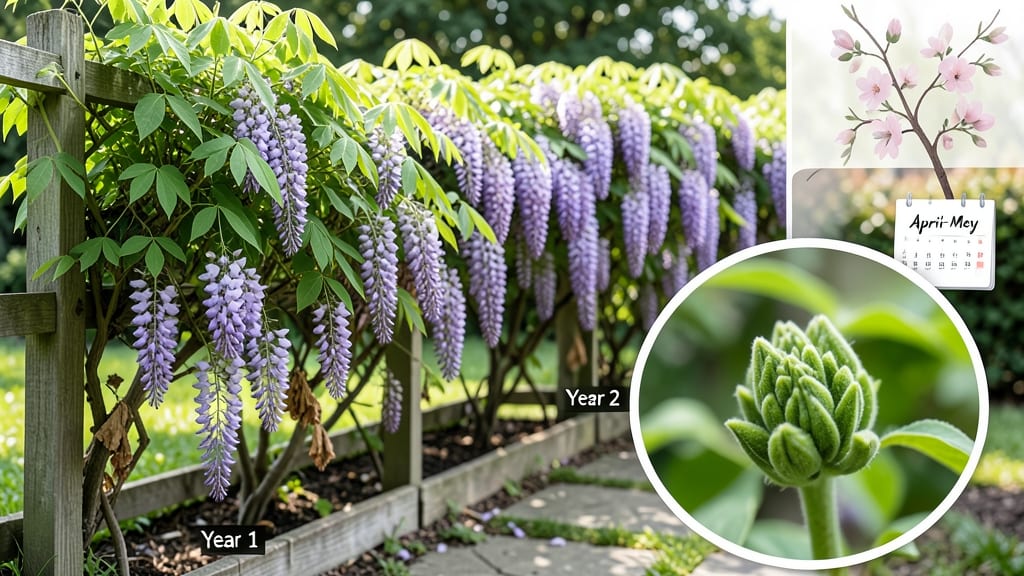
Wisteria doesn't bloom every year—it follows a biennial cycle where energy shifts between vigorous root growth and flower production. This natural pattern means blooms typically appear every other year, though strategic care can help trigger earlier flowering.
This two-year pattern isn't laziness—it's biology. Wisteria plants prioritize building a robust root system in off-years, storing energy for when they finally burst into those stunning cascades of purple or white. 🌸 Think of it like a marathon runner: they need strong legs before they can sprint.
The good news? With the right care—like proper pruning after flowering or balanced fertilization—you can sometimes coax blooms to appear sooner than nature's schedule.
What's fascinating is how climate plays a role. Cooler winters can delay blooming, while consistent sunlight and well-draining soil give the plant the confidence to flower more regularly. I've seen wisteria in southern climates bloom annually because they don't need that extra dormancy period.
The key is understanding your plant's specific needs and working with its natural rhythms rather than against them.
💡 In This Article
- Why Wisteria Follows a 2-Year Blooming Pattern
- How to Encourage Earlier Wisteria Blooms
Why wisteria follows a 2-Year blooming pattern
Wisteria's biennial blooming pattern stems from its deep-rooted energy conservation strategy. During the first year, the plant focuses nearly all its energy on developing an extensive root system—some varieties like Wisteria sinensis can grow roots up to 30 feet long in ideal conditions.
This underground network stores carbohydrates and nutrients in specialized root tissues, much like how trees store energy in their roots for spring growth. The plant essentially "saves" for the big floral display, which requires 30-50% more energy than regular foliage production.
The second year's energy shift creates a delicate balance. Wisteria flowers are heavy—each cluster can weigh 1-2 pounds—and the plant must allocate resources to both blooming and maintaining structural integrity. What's fascinating is how the plant's hormones regulate this cycle.
Gibberellins (growth hormones) suppress flowering in the first year while promoting root expansion, while in the second year, lower gibberellin levels combined with increased auxin production trigger bud formation. This hormonal dance explains why forcing annual blooms often weakens the plant over time.
Climate plays a crucial role in this cycle. Wisteria native to temperate zones (like Wisteria floribunda from Japan) evolved to bloom after a period of winter dormancy, which helps them conserve energy. In warmer climates, this dormancy period shortens, allowing some varieties to bloom annually.
However, even in mild winters, the plant's internal clock still prioritizes root development before flowering—it's a survival mechanism against unpredictable growing seasons.
Here's what happens at the cellular level: Flower buds form in late summer of the first year but remain dormant until spring. These buds contain meristem cells that only activate when they receive specific temperature cues (typically 50-60°F for 100-200 hours of chilling).
This chilling requirement explains why wisteria often struggles in tropical climates—it can't satisfy this dormancy need, leading to erratic blooming patterns.
What most gardeners don't realize is how the plant's age affects this cycle. Young wisteria plants (under 5 years old) may skip flowering entirely as they focus on establishing their root systems.
Even mature plants can take 2-3 years between major blooming cycles, though some vigorous varieties like Wisteria brachybotrys may produce smaller flowers more frequently. The key is understanding that this pattern isn't a flaw—it's an evolutionary adaptation for survival and reproductive success.
Interestingly, the plant's flowering pattern correlates with its growth rate. Faster-growing varieties tend to have more predictable biennial cycles, while slower-growing types may take 3-4 years between major blooms.
This biological rhythm explains why some gardeners see spectacular displays one year and almost no flowers the next—it's not neglect, but nature's carefully timed energy management system.