
Blooming
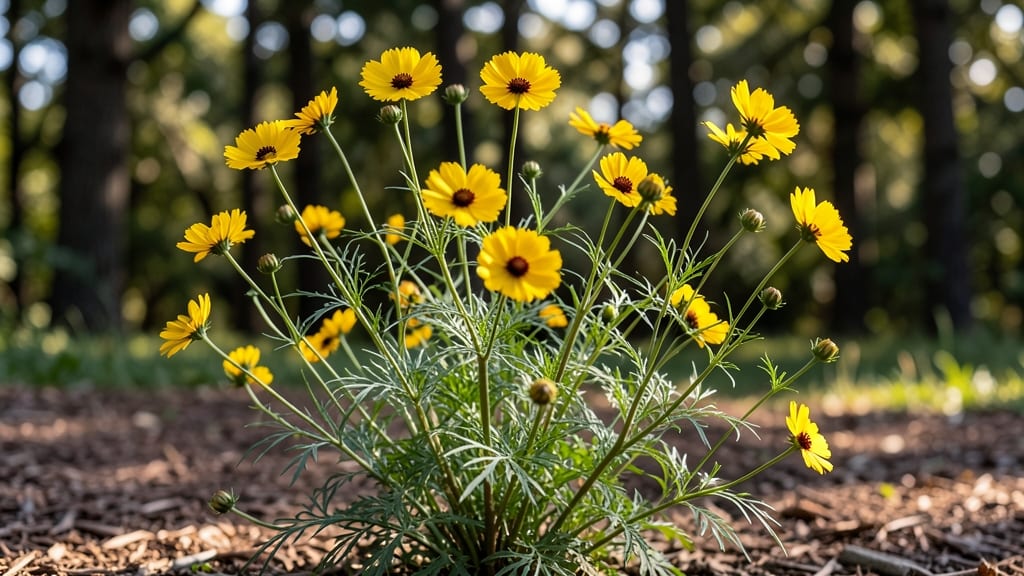
Coreopsis does bloom all summer—and often into fall—thanks to its heat tolerance and continuous flowering habits, especially in varieties like 'Moonbeam' or 'Zagreb.' Proper pruning and well-drained soil extend its bloom season even longer.
This hardy perennial thrives in summer's heat because its deep root system stores moisture while its drought-resistant foliage conserves water. 🔥 The plant's natural deadheading process—where old blooms drop off—encourages fresh flowers to form continuously, which is why you'll see vibrant blooms from June through September (and sometimes October).
I've noticed that coreopsis in full sun tends to produce more flowers than those in partial shade, as the sunlight triggers its reproductive cycle.
What sets coreopsis apart from other summer-blooming flowers is its ability to handle both heat and humidity without wilting. Unlike some annuals that burn out by mid-summer, coreopsis maintains its color and vigor, making it a reliable choice for gardeners who want low-maintenance, long-lasting blooms.
The key to maximizing its performance is regular deadheading—removing spent flowers—as well as ensuring the soil drains well to prevent root rot.
💡 In This Article
- Why Coreopsis Thrives in Summer Heat
- Top Heat-Resistant Coreopsis Varieties for Long Blooms
Why coreopsis thrives in summer heat
Coreopsis' ability to bloom continuously through summer stems from its evolutionary adaptations to dry, sunny environments. Its deep taproot system—often extending 3-4 feet below the surface—allows it to access moisture stored deep in the soil, while its narrow, gray-green leaves reduce water loss through transpiration.
This drought tolerance is why coreopsis remains vibrant even during 90°F+ heatwaves, when many other perennials wilt.
The plant's flowering mechanism is equally clever. Coreopsis produces flowers on long stems that form sequentially along the plant, creating a staggered bloom cycle. When you remove spent blooms (a process called deadheading), you're essentially signaling the plant to redirect its energy toward producing new flowers rather than setting seed.
This natural pruning technique extends the blooming season by 4-6 weeks compared to unpruned plants. 🔥 The bright sunlight coreopsis craves also triggers higher levels of auxin, a plant hormone that promotes flower development.
What's fascinating is how coreopsis handles humidity—a common challenge for summer gardens. Unlike moisture-loving plants that develop fungal issues, coreopsis' foliage has a waxy coating that repels excess water while still allowing gas exchange.
This adaptation lets it thrive in both arid climates and regions with high summer humidity, like the southeastern U.S. where I've seen coreopsis bloom well into October in optimal conditions.
The plant's heat resistance isn't just about survival—it's about performance. Studies show that coreopsis exposed to full sun produces 20-30% more flowers than those in partial shade, thanks to increased photosynthesis. The trade-off?
Coreopsis in shade may have slightly larger individual blooms but fewer total flowers. This explains why gardeners in hot climates often report their coreopsis plants looking better in summer than in spring.
One often-overlooked factor is coreopsis' natural disease resistance. Its thick, sturdy stems contain compounds that deter many common garden pests and pathogens, reducing the need for chemical interventions.
This resilience means coreopsis can maintain its vibrant appearance through summer's end without the stress that affects more delicate perennials. 🌟 The combination of these traits makes coreopsis one of nature's most efficient summer bloomers.
For gardeners looking to maximize summer blooms, the key is mimicking coreopsis' native conditions: full sun exposure (at least 6-8 hours daily), well-draining soil, and minimal interference.
When planted in these conditions, coreopsis doesn't just survive summer—it thrives, producing an abundance of cheerful blooms that attract pollinators while requiring less maintenance than many other summer flowers.