
Blooming
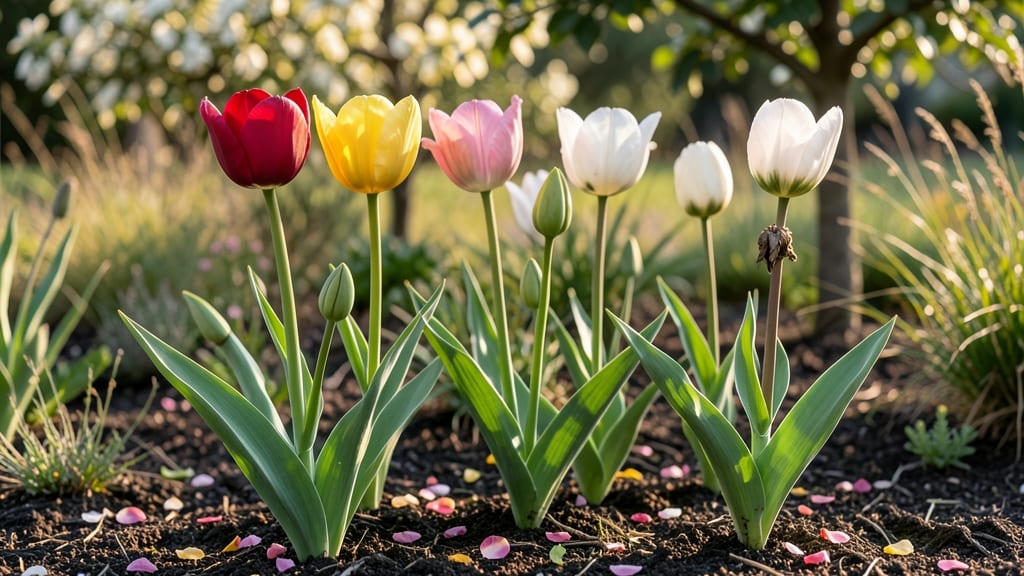
Tulips do not bloom all summer—most varieties flower for just 1-2 weeks in spring, though some late-season or reblooming types may produce secondary blooms under ideal conditions. Proper care and species selection extend their seasonal presence.
Tulips are spring stars, not summer performers, because their blooming cycle is tied to energy reserves stored in the bulb. Once they flower, the plant redirects resources to bulb replenishment, triggering dormancy. 🌸 However, selecting reblooming varieties like 'Darwin Hybrid' or 'Fosteriana' can coax a second round of blooms later in the season with proper aftercare. The key lies in deadheading spent blooms, fertilizing after flowering, and maintaining consistent moisture—especially in containers where bulbs dry out faster.
Late-season bloomers like Parrot tulips or Fringed tulips may push blooms into early summer, but don't expect continuous color. Even these varieties typically produce just one flush of flowers per year. For summer-long interest, pair tulips with perennials like coneflowers or black-eyed Susans, which thrive when tulips fade.
The trade-off? Tulips reward patience with vibrant spring displays, while summer bloomers take over the spotlight naturally.
💡 In This Article
- Tulip Bloom Cycles: Why Most Flower Only Once
- How to Encourage Reblooming Tulips for Extended Summer Interest
Tulip bloom cycles: why most flower only once
The tulip's single-season bloom habit stems from its energy allocation strategy. When a tulip bulb sprouts in spring, it diverts nearly all its stored carbohydrates and nutrients into producing flowers and foliage.
This process depletes the bulb's reserves, leaving little energy for a second round of blooms. 🌱 Scientifically, this is called "monocarpic flowering"—a one-time reproductive effort before the plant enters dormancy to rebuild its energy stores.
Most tulip varieties, especially the classic Dutch hybrids, follow this pattern, blooming for just 7-14 days before fading.
Temperature plays a crucial role in this cycle. Tulips require a period of cold (50°F or lower) in winter to break dormancy, but once they bloom, they need 6-8 weeks of warm weather to replenish their bulbs. Without this recovery time, the bulb can't produce another flower spike.
Early-season varieties like 'Early Harbingers' bloom in March, while late-season types such as 'Kaufmanniana' may push blooms into May, but neither will rebloom without intervention. The trade-off? Their vibrant, concentrated blooms make spring gardens unforgettable.
Light exposure also influences bloom timing. Tulips planted in full sun (6+ hours daily) tend to flower earlier and more vigorously than those in partial shade, which can delay blooming by 1-2 weeks.
However, shade can prolong foliage life, giving the bulb more time to photosynthesize and store energy for next year. This is why gardeners in cooler climates often see longer bloom periods—moderate temperatures slow the depletion of bulb reserves.
There's a biological reason why tulips prioritize one grand bloom over multiple smaller ones: survival. A single, showy flower attracts more pollinators, increasing the chances of successful reproduction. This evolutionary trait explains why even hybrid varieties, bred for garden appeal, retain this one-time blooming habit. 🌸 The exception?
Some species tulips (like 'Tulipa greigii') naturally produce multiple stems, but these are rare in commercial gardens.
For gardeners expecting summer-long color, this biological limitation means planning is key. Pairing tulips with perennials that bloom later—such as daylilies or catmint—creates a seamless transition from spring to summer. The contrast highlights tulips' fleeting beauty while extending the garden's seasonal interest.
Think of it as nature's way of ensuring tulips make their mark when they appear, rather than spreading their energy thin.