
Blooming
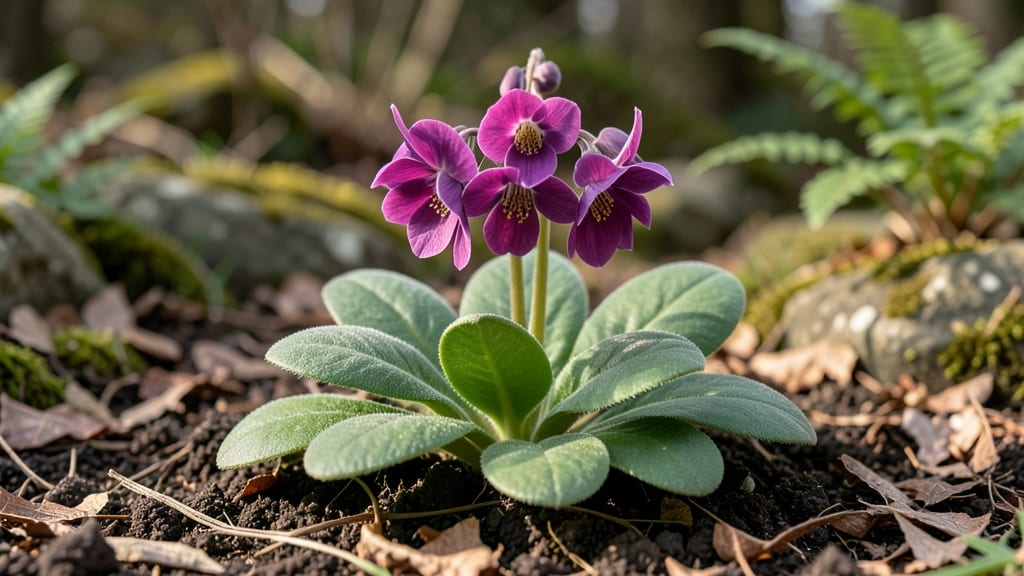
Primroses don’t bloom all summer—that’s the hard truth. 🌸 Most varieties shine brightest in spring, then fade as temperatures rise, leaving gardeners with drooping leaves instead of flowers. But here’s the good news: some heat-tolerant types and simple care tricks can stretch their season way beyond May.
The key is choosing reblooming cultivars like Primula denticulata or Primula bulleyana, which handle mild summer heat better than classic primroses. Pair that with afternoon shade and consistent moisture, and you’ll coax extra blooms into early summer. Deadheading spent flowers keeps them producing, while mulching preserves cool roots.
With the right setup, you can enjoy primroses from late spring through early July in many climates. That’s not all summer, but it’s a whole lot longer than most gardeners expect. The secret’s in the variety and the conditions—no magic required.
For hotter zones, consider shade-loving alternatives like impatiens or begonias to keep color going. But if you love primroses, these tricks will give you the longest show possible before the heat wins.
📚 In This Guide
- What you need
- Instructions
- Tips and common mistakes
- Wrapping up and next steps
What you need
- ● Primrose plants: Choose heat-resistant varieties like Primula denticulata (Musk Primrose) or Primula veris (Cowslip). Buy 3–5 plants for a fuller display.
- ● Well-draining potting mix: 3–5 gallons (for containers) or enough to fill garden beds. Opt for a blend with perlite or sand (20–30% by volume) to improve aeration.
- ● Organic mulch: 1–2 inches of pine bark, straw, or shredded leaves to retain moisture and regulate soil temperature.
- ● Slow-release fertilizer: A balanced 10-10-10 or 20-20-20 formula (1–2 tbsp per plant) to support prolonged blooming.
- ● Watering can or hose with a gentle spray nozzle: For deep but controlled watering (avoid overhead spraying to prevent fungal issues).
- ● Garden trowel or small shovel: For planting and soil amendments.
- ● Pruning shears: To deadhead spent blooms and trim leggy growth (sterilize with rubbing alcohol).
- ○ Shade cloth (optional): 30–50% coverage for afternoon sun protection in extreme heat (e.g., 4’x6’ sheets).
- ○ Drip irrigation system (optional): For automated, consistent watering (ideal for summer heat).
- ○ Soil thermometer (optional): To monitor temperatures—primroses prefer 60–75°F soil.
How to select and care for heat-tolerant primroses
Primroses aren’t just spring flowers—some varieties thrive through summer with the right choices and care.
☀️ Step 1: Choose Heat-Resistant Primrose Varieties
Not all primroses handle summer heat, but Primula denticulata (toothwort primrose) and Primula bulleyana (Bulley’s primrose) are proven performers. These species originate from high-altitude regions where they endure cooler summer nights and bright sun. Look for dwarf varieties—they’re less likely to bolt in heat.
I always check the USDA hardiness zone on seed packets. Varieties labeled for zones 4-8 typically tolerate summer temperatures up to 85°F if given afternoon shade. Avoid traditional English primroses (like Primula vulgaris), which wilt in prolonged heat.
🪴 Step 2: Plant in Ideal Conditions for Summer Survival
Primroses need well-draining soil to prevent root rot, especially in summer’s heat. Mix 3 parts potting soil with 1 part perlite for containers, or amend garden beds with 2 inches of compost and 1 inch of coarse sand. The goal is soil that drains within 15-30 minutes after watering.
Position plants in partial shade—morning sun and afternoon shade works best. A dappled light environment (like under deciduous trees) mimics their native mountain habitats. If your garden has full sun, provide afternoon shade with a 30% shade cloth during peak heat (June-August).
💧 Step 3: Adjust Watering for Summer Heat
Primroses in summer need consistent moisture but hate soggy roots. Water deeply every 2-3 days until top 2 inches of soil feel dry. Use a soaker hose or drip irrigation to deliver water at the base—avoid overhead sprinklers, which encourage fungal diseases in humid summer air.
Mulch with 2 inches of organic mulch (like shredded bark) to retain soil moisture and regulate temperature. This layer also blocks weeds, which compete for water. Watch for wilting leaves—a sign of underwatering, but yellowing leaves mean you’re overwatering.
✂️ Step 4: Deadhead and Fertilize Strategically
Remove spent blooms weekly to encourage continuous flowering. Use clean, sharp scissors to snip stems just above a set of leaves. This redirects the plant’s energy from seed production to new growth. I always wear gloves—primrose foliage can irritate sensitive skin.
Fertilize lightly with a balanced, water-soluble fertilizer (10-10-10) every 4-6 weeks during active growth. Reduce feeding in late summer (August-September) to prepare plants for dormancy. Over-fertilizing in heat stresses primroses, leading to leaf scorch or stunted growth.
🌿 Step 5: Protect from Pests and Heat Stress
Watch for aphids and slugs, which thrive in summer’s warmth. Spray aphids with neem oil (mix 1 tbsp per gallon of water) and set beer traps for slugs. I place copper tape around pots to deter slugs without chemicals.
If temperatures exceed 90°F, provide extra shade with a lightweight shade cloth or move containers to a cooler spot. Signs of heat stress include drooping leaves or bleached leaf edges. A quick misting in the morning can provide temporary relief, but long-term solutions include better shade placement or variety selection.
Tips & tricks for heat-resistant primroses that bloom year-round
These insider tricks will help you coax summer blooms from primroses that would normally fade with the season.
Variety Verification: When selecting your heat-tolerant primroses, look for seed packets that specify "summer-blooming" or "long-flowering" varieties. I've found that Primula denticulata 'Red Fox' and Primula bulleyana 'Vittata' varieties often outperform others in my zone 7 garden. The key is checking for hairy leaves—this natural trait helps them retain moisture during heatwaves. Cross-reference with your local nursery's heat tolerance charts for your specific microclimate.
Soil Science: The 15-30 minute drainage test mentioned in Step 2 is non-negotiable during summer months. I've learned this the hard way—waterlogged roots in 90°F+ heat lead to fungal infections that kill plants faster than drought. For containers, add 1 part coarse vermiculite to your soil mix instead of perlite—it holds more moisture while still providing excellent drainage. In garden beds, create raised mounds about 6 inches high to improve drainage during heavy summer rains.
Heat Stress Prevention: When temperatures exceed 90°F, don't just add more shade—strategize. I've had success with a two-tiered shade approach: Install a 30% shade cloth during peak afternoon sun (2-5 PM), then remove it by late afternoon to allow light penetration for evening cooling. Pair this with white plastic plant saucers under containers—they reflect heat away from roots while retaining moisture. This mimics the natural cooling effect of mountain habitats where these primroses originate.
Fertilizer Timing: The 4-6 week fertilization schedule needs adjustment for summer growing. I've found that in zones 7-8, switching to a half-strength fertilizer every 8 weeks during summer (June-August) prevents leaf scorch while still supporting blooms. Use a fish emulsion-based fertilizer—it contains natural compounds that help plants withstand heat stress better than synthetic options. Always fertilize in the early morning when temperatures are coolest to minimize stress on the plants.
Pro Tips for Do Primroses Bloom All Summer
- These insider tricks will help you coax summer blooms from primroses that would normally fade with the season.
- Variety Verification: When selecting your heat-tolerant primroses, look for seed packets that specify "summer-blooming" or "long-flowering" varieties.
- Soil Science: The 15-30 minute drainage test mentioned in Step 2 is non-negotiable during summer months.
Frequently asked questions
Do primroses really bloom all summer?
Most primroses are cool-season flowers and bloom in spring or early summer. However, heat-resistant varieties (like Primula denticulata or Primula obconica) can extend blooming into late summer with proper care—think shade, consistent moisture, and mulching. Expect shorter peak seasons but longer overall color!
How can I make my primroses last longer in summer heat?
Boost their resilience with these tricks:
- Morning sun only: Shield from afternoon rays (12–4 PM) to prevent wilting.
- Mulch like a pro: Use 2–3 inches of organic mulch (straw or shredded bark) to retain moisture.
- Water wisely: Deep-water early in the day (before 10 AM) to avoid fungal risks.
- Deadhead regularly: Snip spent blooms to redirect energy to new flowers.
What’s the best primrose alternative for year-round color?
If you crave truly summer-blooming perennials, try these heat-lovers:
- Impatiens (shade-tolerant, blooms June–frost)
- Coleus (colorful foliage, thrives in partial sun)
- Lantana (drought-resistant, blooms summer–fall)
- Zinnias (sun-loving annuals, cut-and-come-again blooms)
Why did my primroses stop blooming mid-summer?
Common culprits:
- Heat stress: Primroses hate temps above 75°F (24°C). Move containers to shade or trim back to encourage new growth.
- Overcrowding: Divide clumps every 2–3 years to improve airflow and blooming.
- Nutrient burnout: Feed with a balanced, water-soluble fertilizer (10-10-10) every 4–6 weeks.
- Pests: Check for aphids or slugs—spray with neem oil or set beer traps.
Can I grow primroses in containers for summer blooms?
Containers offer more control over heat and moisture. Use:
- Well-draining mix: Combine potting soil with perlite (60/40 ratio).
- Large pots: At least 12 inches deep to prevent root stress.
- Self-watering bases: Reduces drying out in intense sun.
- Move frequently: Shift pots to follow morning sun paths.
Wrapping up and next steps
So, do primroses bloom all summer?
While they’re not natural long-haul bloomers, the right heat-resistant varieties and a little extra care can turn your garden into a vibrant summer showstopper! 🌸 With the perfect mix of shade, water, and resilient species like Primula denticulata or Primula obconica, you can enjoy their cheerful blooms well beyond spring.
Ready to give it a try? Start by testing your soil and selecting the toughest varieties for your climate. Then, explore our full planting guide to unlock year-round color—one bloom at a time!