
Blooming
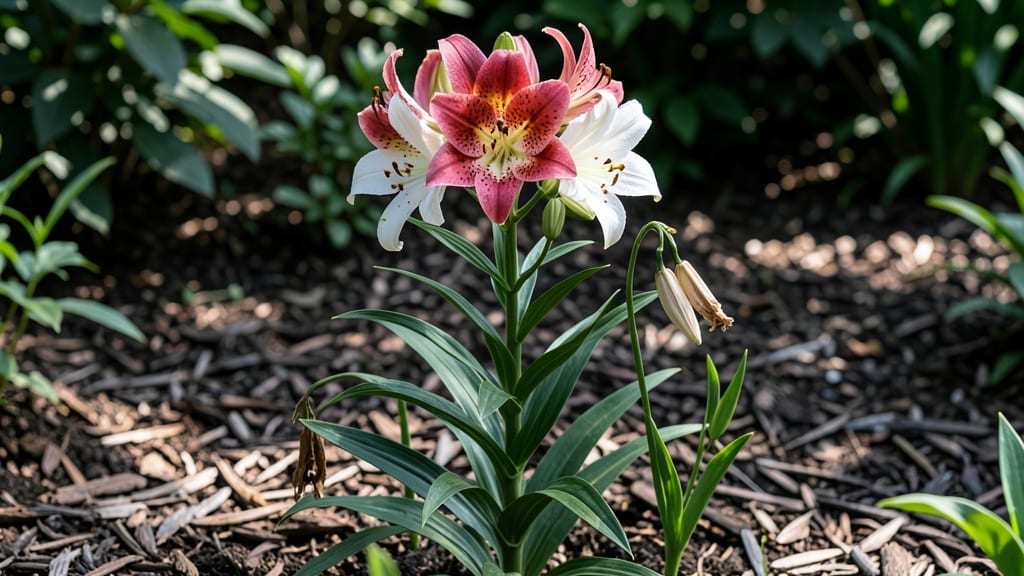
Most lilies do not bloom again after their first flowering season, entering dormancy to conserve energy. However, reblooming varieties like Stargazer lilies or Asiatic hybrids can produce multiple flower cycles with proper growing conditions.
This natural cycle happens because lilies store energy in their bulbs during the growing season, then retreat underground in winter. 🌱 The key difference lies in the species—perennial lilies like Stargazer lilies have adapted to rebloom when given consistent moisture, balanced nutrients, and protection from harsh winters.
Even then, reblooming typically requires 2-3 years of ideal care before becoming reliable.
What sets reblooming varieties apart is their ability to produce secondary flower stalks from the same bulb, rather than relying on new bulb growth. This makes them perfect for gardeners who want continuous color, though they still need full sun exposure and well-draining soil to thrive.
The trade-off? They often bloom less spectacularly than their one-time flowering cousins.
💡 In This Article
- Why Most Lilies Die Back After Blooming
- How to Encourage Reblooming in Lilies
Why most lilies die back after blooming
The natural life cycle of lilies revolves around energy conservation through bulb storage. After their spectacular summer bloom, most lilies enter dormancy because their bulbs need to replenish nutrients for the next season.
This is similar to how onions or tulips store energy underground—lilies allocate up to 80% of their photosynthetic energy into bulb expansion rather than producing new flowers. The dying back of foliage signals this energy shift, not plant death.
Seasonal cues trigger this cycle. Cool temperatures below 50°F and reduced daylight hours stimulate dormancy in most lily species. 🌱 What makes this fascinating is how cold stratification—exposing bulbs to 40-50°F temperatures for 6-8 weeks—actually encourages reblooming in certain varieties.
This mimics natural winter conditions that some lilies have evolved to tolerate. The key difference between annual and perennial bloomers lies in their root systems: reblooming types develop deeper, more extensive roots that can access stored nutrients more efficiently.
This biological mechanism explains why you'll often see lilies withering completely after flowering—it's not neglect. The plant is preparing for its next growth phase. For example, Oriental lilies typically produce one massive bloom before dying back, while Asiatic hybrids might produce 3-5 smaller blooms over multiple seasons.
The trade-off is that single-blooming varieties often produce larger, more dramatic flowers because they invest all their energy in one spectacular display.
Light exposure plays a crucial role too. Most lilies require 6-8 hours of direct sunlight daily to build enough energy reserves. Without sufficient light, the bulb won't store adequate nutrients, and the plant may fail to rebloom even in suitable varieties.
This is why gardeners often see reblooming success in southern climates where growing seasons are longer and winters are milder.
What most people don't realize is that even reblooming lilies need a period of rest. After their initial bloom, they'll often produce foliage without flowers for 1-2 years while building bulb reserves.
This is nature's way of ensuring the plant has enough energy for future flowering cycles. The bulb acts like a biological battery, storing starches that convert to sugars during the growing season.
Consider this comparison: Single-blooming lilies are like fireworks—one spectacular display that exhausts all resources. Reblooming varieties are more like gardeners' annuals—they produce smaller, more frequent blooms because they're designed to conserve energy for multiple seasons.
The choice depends on whether you prefer dramatic one-time displays or continuous, albeit smaller, color contributions to your garden.