
Blooming
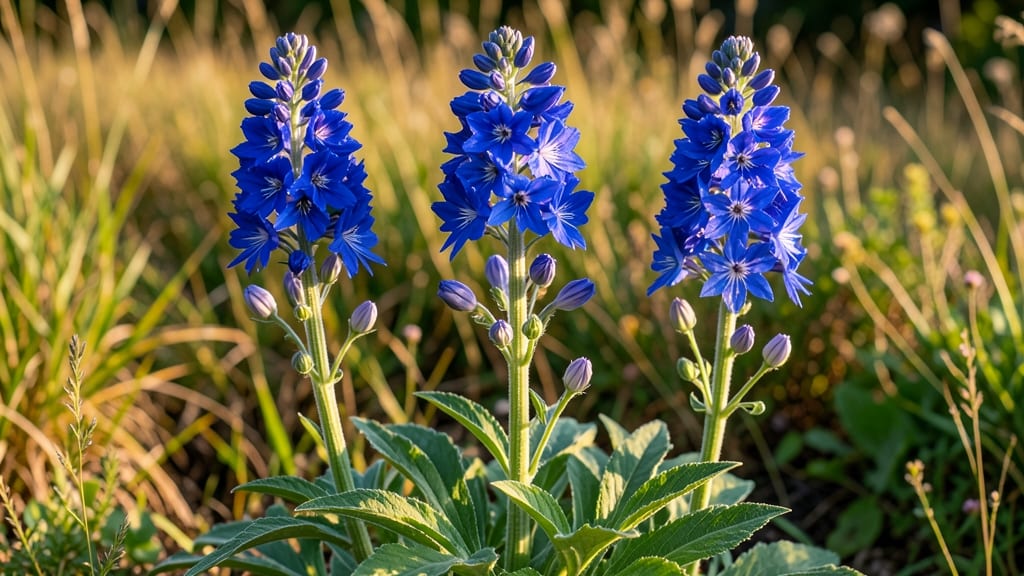
Larkspur doesn't bloom all summer—most varieties peak in spring and early summer before fading with mid-summer heat, though biennial types may produce a second flush in cooler fall weather. Annual cultivars like 'Tall Spike' typically wilt by June unless you deadhead regularly or replant.
Larkspur's seasonal limitations come down to heat sensitivity—these cool-weather lovers bolt (go to seed) when temperatures climb above 75°F. 🌸 Biennials like 'Blue Lake' can surprise you with fall blooms if nights stay mild, but annuals usually call it quits by July.
The key to extending their show? Deadheading spent blooms (snip just above the next bud) and choosing shade-tolerant varieties for late-season color.
For gardeners in hot climates, I recommend mixing larkspur with cosmos or snapdragons—they handle summer heat better while providing continuous blooms. Even a partial afternoon shade spot can buy you 2-3 extra weeks of flowers.
And if you're patient, saving seeds from biennial types might yield hardier offspring for next year's garden.
💡 In This Article
- Larkspur Bloom Cycles: Why Summer Heat Shortens Flowering
- Extending Larkspur Blooms: Deadheading, Variety Choices, and Cool-Season Hacks
Larkspur bloom cycles: why summer heat shortens flowering
Larkspur's seasonal bloom pattern is hardwired by its cool-climate origins. These plants evolved in temperate regions where summer heat triggers a survival mechanism called bolting—a rapid transition to seed production.
When daytime temperatures exceed 75°F for extended periods, the plant's internal thermometer (a biological process called thermomorphogenesis) activates, accelerating flower maturation and shortening the blooming window. 🌡️ Annual varieties like 'Tall Spike' typically bolt by early July, while biennials may delay this response until late summer.
The science behind this involves two key factors: photoperiodism (day length sensitivity) and heat stress. Larkspur responds to increasing daylight hours by producing flowers, but when combined with heat, the plant prioritizes seed production over prolonged blooming.
For comparison, cosmos flowers thrive in summer heat because their native habitats experience consistent warmth, while larkspur's delicate petals wilt at temperatures above 80°F. The difference lies in their evolutionary adaptations—larkspur's thin stems and moisture-sensitive leaves make them particularly vulnerable to dehydration.
Biennial larkspur varieties have a slight advantage because they store energy in their roots during the first year, allowing them to rebound in cooler fall conditions. However, this second flush of blooms depends on nighttime temperatures staying below 65°F.
The trade-off is that biennials often produce fewer flowers in their second year compared to their first-year peak. This biological limitation explains why gardeners in warm climates rarely see larkspur blooming continuously—it's not a matter of care, but of the plant's genetic programming to conserve energy during heat stress. 🌤️
What most gardeners don't realize is that larkspur's bloom cycle also depends on its water needs. These plants have shallow root systems that dry out quickly in summer heat, triggering a drought response that accelerates bolting.
Even with regular watering, the combination of heat and sunlight creates a perfect storm for premature seed production. This is why larkspur often appears "stressed" with curled leaves and brown tips by mid-summer—it's not just wilting, but actively preparing to reproduce.
To put this in perspective, compare larkspur to snapdragons, which share similar flower structures but can handle summer heat better. Snapdragons have thicker stems and deeper root systems that allow them to continue blooming through 85°F temperatures.
The key difference lies in their native habitats: snapdragons originate from Mediterranean climates with hot, dry summers, while larkspur comes from cooler, more temperate zones. This evolutionary history explains why larkspur's bloom season naturally aligns with spring and early summer, when temperatures are more moderate. 🌿
Understanding this botanical reality helps explain why even well-cared-for larkspur plants rarely bloom all summer. The plant's survival instincts override its flowering potential when faced with heat stress.
For gardeners looking to extend the bloom season, the solution lies not in fighting this natural process, but in working with it—through strategic variety selection, shade placement, and careful water management that mimics the plant's preferred growing conditions.