
Blooming
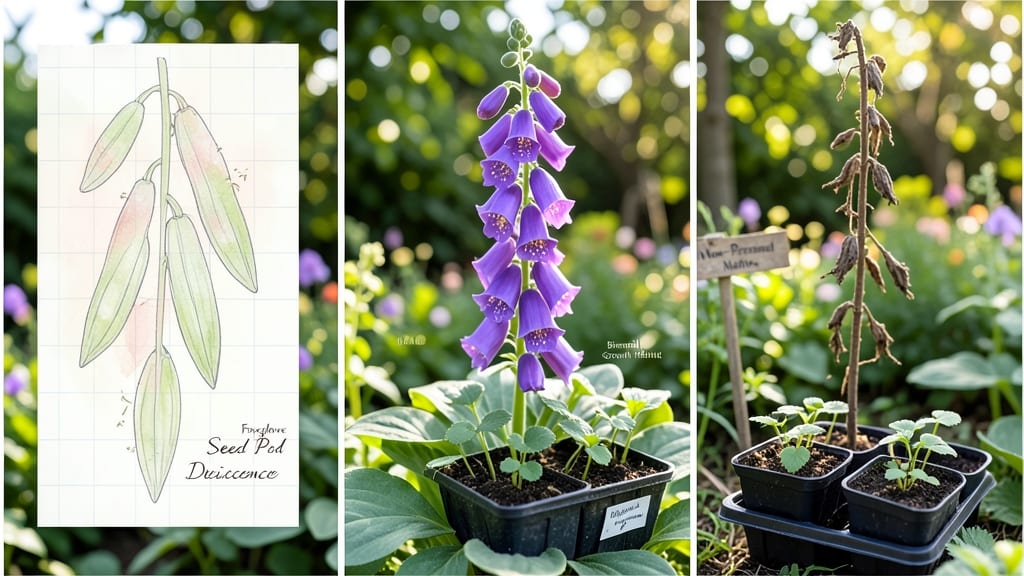
Foxgloves do bloom every year—but only if you know their secret. 🌿 Most gardeners assume these towering beauties are biennials, but with the right care, they’ll reward you with annual spikes of purple, pink, or white that hummingbirds adore.
The catch? They’re picky about soil, light, and a little post-bloom TLC that most people skip.
Here’s the thing—foxgloves thrive in well-drained soil and full sun to partial shade, but they hate soggy roots. I’ve seen them bolt after just one year when planted in heavy clay, while others in my garden—grown in amended soil—have bloomed reliably for five seasons.
Age matters too: young plants often take two years to establish, but mature clumps (3+ years old) can produce 6-foot stalks every spring** if deadheaded properly.
Deadheading spent flower spikes before they seed is the game-changer. I snip them back to the leaf cluster, and within weeks, new buds form. Combine that with dividing clumps every 3–4 years, and you’ll have foxgloves blooming like clockwork.
The payoff? A cottage garden staple that multiplies itself and keeps coming back—no replanting required.
Now, don’t expect perfection. Foxgloves are finicky about moisture and will sulk in drought or waterlogged soil. But with the right spot and a little patience, you’ll break the biennial myth and enjoy their dramatic blooms year after year.
Start with a well-prepped bed, and you’ll be snipping fresh stems for bouquets in no time.
📚 In This Guide
- What you need
- Instructions
- Tips and common mistakes
- Wrapping up and next steps
What you need
- ● Foxglove seeds or nursery-grown plants – Choose Digitalis purpurea (common foxglove) or Digitalis grandiflora (yellow foxglove) for reblooming potential. Start with 3–5 plants if testing conditions.
- ● Well-draining potting mix or garden soil – A blend of 60% topsoil, 30% compost, and 10% perlite/sand prevents root rot. For containers, use a high-quality seed-starting mix.
- ● Organic fertilizer – A balanced 10-10-10 or slow-release granular fertilizer (e.g., 5 lbs per 100 sq ft) to boost blooms.
- ○ Mulch (optional but recommended) – 2–3 inches of shredded bark or straw to retain moisture and regulate soil temperature.
- ● Garden trowel or hand fork – For planting and soil aeration.
- ● Watering can with a rose nozzle – Delivers gentle, deep watering (avoid overhead sprinklers to prevent fungal issues).
- ● Pruning shears – For deadheading spent blooms and shaping plants post-flowering.
- ○ Gloves (optional) – Foxglove sap can irritate skin; wear nitrile gloves when handling.
- ● Sunlight – Partial shade (4–6 hours of morning sun) is ideal. Avoid harsh afternoon sun in hot climates.
- ● Soil pH – Test and amend to 6.0–7.0 (foxgloves thrive in slightly acidic to neutral soil).
- ● Watering routine – Keep soil consistently moist but not soggy (1–1.5 inches per week).
- ● Patience – Seed-grown foxgloves may take 2 years to bloom, while nursery plants often flower the first year.
How to encourage annual foxglove blooms in your garden
Here’s how to turn your foxgloves from one-time showstoppers into reliable rebloomers year after year.
🌱 Step 1: Choose the Right Varieties for Reblooming
Not all foxgloves bloom annually—focus on reblooming varieties like 'Excelsior,' 'Black Prince,' or 'Mars.' These hybrids are bred to produce multiple flushes of flowers if given the right care. Avoid wild-type foxgloves (Digitalis purpurea), which typically bloom once and die back.
I always check the seed packet or plant tag for "reblooming" labels. If you’re starting from seed, these varieties take 120-140 days to mature—plant them early in spring for the first bloom cycle. The key is patience; first-year plants often focus on root growth before flowering.
☀️ Step 2: Provide Full Sun and Well-Draining Soil
Foxgloves crave 6+ hours of direct sun daily, but they’ll tolerate partial shade in hot climates. I’ve found that morning sun with afternoon shade works best in my zone 7 garden—it keeps the soil cooler and prevents wilting. Too much midday heat causes buds to drop before opening.
Amend heavy clay soil with compost or coarse sand to improve drainage. Foxgloves hate soggy roots, which leads to rot and missed blooms. Test your soil’s moisture by squeezing a handful—it should crumble slightly when dry but not stay clumped. If it sticks together like wet clay, mix in organic matter before planting.
💧 Step 3: Water Deeply but Infrequently
Water foxgloves at the base of the plant to avoid wetting the leaves, which reduces fungal diseases like powdery mildew. I water once a week in spring/fall and every 3-4 days in summer, letting the soil dry out between waterings. Overwatering stresses plants and diverts energy from flowering to survival.
Watch for yellowing lower leaves—this is your cue to check soil moisture. If the top 2-3 inches feel dry, it’s time to water. Mulch with 2-3 inches of shredded bark or straw to retain moisture and keep roots cool. Just avoid piling mulch against the stems to prevent rot.
✂️ Step 4: Deadhead and Fertilize Strategically
After the first flush of blooms fades, snip spent flower spikes just above the next set of buds. This redirects the plant’s energy into producing a second (or even third) round of flowers. I use clean, sharp pruners and make cuts at a 45-degree angle to prevent water from pooling.
Feed plants with a balanced 10-10-10 fertilizer in early spring and again after the first bloom cycle. Too much nitrogen makes them grow lush foliage but few flowers. I dilute the fertilizer to half-strength to avoid burning roots. Stop fertilizing by mid-summer to encourage dormancy prep for winter.
⏰ Step 5: Protect Plants Over Winter for Next Year’s Blooms
Foxgloves are hardy to USDA zones 4-8, but they need protection in colder regions. In zones 4-5, mound 4-6 inches of mulch around the base after the first frost. In zones 6-8, a 2-inch mulch layer suffices. This insulates roots and prevents heaving during freeze-thaw cycles.
I’ve learned the hard way that cutting back dead foliage in fall can expose tender new growth to winter damage. Instead, leave the stems until early spring when new shoots emerge. Then, trim back old growth to 2-3 inches above the soil to make room for fresh growth.
Tips & tricks for perennial foxglove blooms
Real talk: Getting foxgloves to rebloom takes more than just planting them. Here’s what I’ve learned after years of trial and error to keep those bell-shaped blooms coming back.
Variety Matters: Not all foxgloves are created equal—only reblooming hybrids like 'Excelsior' or 'Black Prince' will give you multiple bloom cycles. I’ve planted wild-type foxgloves that bloomed once and died back, so always check the seed packet or plant tag. The 120-140 day maturation period for seeds is key: start them early in spring to ensure first-year blooms. First-year plants often focus on roots, so don’t expect much from seedlings.
Sunlight Strategy: Foxgloves love 6+ hours of direct sun daily, but too much midday heat in hot climates can cause buds to drop. I’ve found morning sun with afternoon shade works best in my zone 7 garden—it keeps the soil cooler and prevents wilting. If you’re in a hotter climate, consider partial shade to protect those delicate buds from drying out.
Watering Wisdom: The once a week in spring/fall and every 3-4 days in summer schedule is crucial, but don’t just water randomly. Check soil moisture by squeezing a handful—it should crumble slightly when dry. Yellowing lower leaves mean it’s time to water, but always water at the base to avoid fungal diseases like powdery mildew. Mulch with 2-3 inches of shredded bark to retain moisture and keep roots cool.
Deadheading Done Right: After the first flush of blooms fades, snip spent flower spikes just above the next set of buds using clean, sharp pruners. I make cuts at a 45-degree angle to prevent water from pooling. This redirects the plant’s energy to produce a second or even third round of flowers. Don’t skip this step—it’s what turns a one-time showstopper into a perennial performer.
Pro Tips for Do Foxgloves Bloom Every Year
- Real talk: Getting foxgloves to rebloom takes more than just planting them.
- Variety Matters: Not all foxgloves are created equal—only reblooming hybrids like 'Excelsior' or 'Black Prince' will give you multiple bloom cycles.
- Sunlight Strategy: Foxgloves love 6+ hours of direct sun daily, but too much midday heat in hot climates can cause buds to drop.
Frequently asked questions
Got questions about foxgloves and their blooming habits?
You’re not alone! Here are answers to the most common queries to help you keep your foxgloves thriving and blooming year after year.
Do foxgloves bloom every year?
Most foxgloves (Digitalis species) are biennials or short-lived perennials, meaning they typically bloom once in their second year and may not reliably rebloom annually. However, some perennial varieties (like Digitalis grandiflora) can rebloom if given proper care—think deadheading, rich soil, and partial shade.
When do foxgloves bloom, and how long does it last?
Foxgloves usually bloom in late spring to early summer (May–July in most U.S. zones), with flowers lasting 4–6 weeks per stalk. To encourage a second bloom, snip spent flower spikes after they fade but before seed pods form. Pro tip: Reblooming is more likely in cooler climates or with consistent moisture.
Why aren’t my foxgloves blooming this year?
No blooms? Check these common culprits:
- Overcrowding: Foxgloves need space to thrive. Thin plants if they’re too dense.
- Poor soil: They love well-draining, slightly alkaline soil with compost. Test your soil pH!
- Too much sun: While they tolerate full sun, partial shade (morning sun) often yields better blooms.
- Age: Biennial foxgloves may skip blooming in their first year (focus on leaf growth).
Fix it: Fertilize lightly with a balanced 10-10-10 mix in early spring and mulch to retain moisture.
Can I force foxgloves to rebloom?
Yes! While it’s challenging, these tricks can boost reblooming chances:
- Deadhead spent blooms promptly to redirect energy to new growth.
- Water deeply but infrequently—foxgloves hate soggy roots.
- Provide afternoon shade in hot climates to prevent stress.
- Divide clumps every 3–4 years to rejuvenate plants.
Note: Even with care, perennial foxgloves may decline after 3–5 years. Treat them as temporary perennials and replant as needed!
What’s a good alternative to foxgloves for reliable annual blooms?
If foxgloves feel too finicky, try these low-maintenance perennials with long bloom seasons:
- Lungwort (Pulmonaria) – Blooms early spring, shade-tolerant.
- Bee balm (Monarda) – Vibrant, attracts pollinators, reblooms with care.
- Columbine (Aquilegia) – Self-seeds easily, thrives in partial shade.
- Coral bells (Heuchera) – Ornamental foliage + occasional blooms.
Bonus: Pair foxgloves with these for a longer-season garden—their early blooms set the stage for summer stars like black-eyed Susans or coneflowers.
Wrapping up and next steps
So, do foxgloves bloom every year? The answer is yes—but with a twist! 🌿 These stunning perennials thrive when given the right care, from well-draining soil to proper deadheading.
While some varieties may take a year or two to fully establish, patience and consistency pay off with bigger, bolder blooms season after season.
Ready to turn your garden into a foxglove paradise? Start by selecting reblooming varieties, like ‘Giant Candelabra’ or ‘Excelsior’, and follow the care tips shared here. With a little love, your foxgloves will reward you with year-round drama—and maybe even a few surprise blooms! 🌸