
Flowers
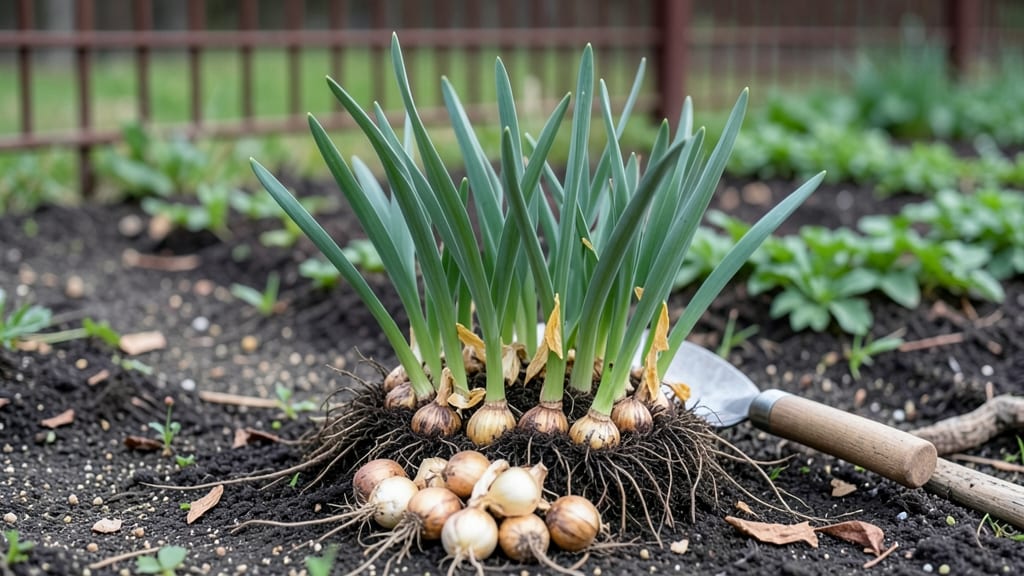
Many bulbs multiply naturally over time, producing offsets or bulblets that can be separated and replanted to grow new plants. Species like daffodils, tulips, and alliums often self-propagate with proper care and soil conditions.
This natural reproduction process happens when bulbs store energy in their roots during dormancy, creating smaller "baby" bulbs called offsets. 🌱 For example, daffodils often produce 3-5 offsets per mature bulb over 3-5 years, while tulips typically generate just 1-2 annually.
The key is patience—most gardeners see noticeable multiplication after 2-3 growing seasons with consistent care.
Proper soil drainage and sunlight exposure accelerate this growth, but overcrowding can actually reduce bulblet formation. I’ve found that dividing established clumps every 3-4 years in early fall gives bulbs more space to focus energy on producing new growth rather than competing for nutrients.
The right timing makes all the difference!
💡 In This Article
- How Bulb Division Works Naturally
- Tips for Encouraging Bulb Multiplication in Gardens
How bulb division works naturally
The magic of bulb multiplication starts with a biological process called offset formation, where the parent bulb produces smaller bulblets at its base. This happens during the growing season when the bulb stores carbohydrates in its scales—think of them as nature's energy reserves.
For example, a mature daffodil bulb can store enough starch to fuel both its current bloom and new offsets, which form like tiny buds along the base. 🌱 The key trigger is seasonal dormancy: after flowering, the bulb enters a rest phase, redirecting stored energy toward producing these miniature replicas.
Not all bulbs multiply at the same rate—some are aggressive reproducers while others play it slow. Daffodils (Narcissus) are fast multipliers, often generating 3-5 offsets per bulb over 3-5 years with ideal conditions. Their offsets form quickly because they thrive in well-drained soil and tolerate partial shade.
In contrast, tulips (Tulipa) are slower, producing just 1-2 offsets annually and requiring 5-7 years to create a substantial clump. The difference lies in their native growing patterns: daffodils evolved in meadows where rapid spread was advantageous, while tulips adapted to more controlled environments.
Seasonal dormancy is the unsung hero of bulb propagation. When temperatures drop below 50°F in fall, bulbs trigger a hormonal shift that halts top growth and redirects energy underground. This 6-8 week dormancy period (varies by species) is when offsets develop their own root systems and nutrient stores.
Without this rest phase, bulbs become stressed and focus energy on flowering instead of reproduction. I’ve seen gardeners skip dormancy by fertilizing too late in season—resulting in weak offsets that fail to thrive when replanted. 💫 The lesson? Let nature take its course!
Here’s what’s happening at the cellular level: Bulb scales contain specialized cells that divide rapidly during dormancy, forming new bulblets. These offsets start as small buds (often 1/4-inch wide) that gradually swell with stored starch. The parent bulb’s root system supports this growth by transporting water and minerals.
By spring, these offsets are ready to detach—if you leave them too long, they’ll compete with the mother bulb for space and nutrients, reducing both plants’ vigor. This is why dividing clumps in early fall (before dormancy) gives offsets the best head start.
One fascinating exception is the allium family, which includes garlic and onions. These bulbs produce bulblets in clusters rather than offsets, with each segment capable of growing into a new plant.
A single garlic bulb can yield 10-20 cloves over a season, making it one of the fastest ways to multiply bulbs. The trade-off?
Alliums require more precise spacing (4-6 inches apart) to prevent overcrowding, which can lead to smaller harvests. 🌟 For gardeners short on space, this makes alliums a smart choice—they’re like nature’s copy machines!
The takeaway? Bulb multiplication is a patient process that rewards those who understand the science behind it. Fast multipliers like daffodils and alliums deliver quick gratification, while tulips teach the value of long-term gardening.
The secret sauce? Give bulbs the right conditions—well-drained soil, proper sunlight, and respect for their natural growth cycles—and watch your garden expand effortlessly. 🔥