
Blooming
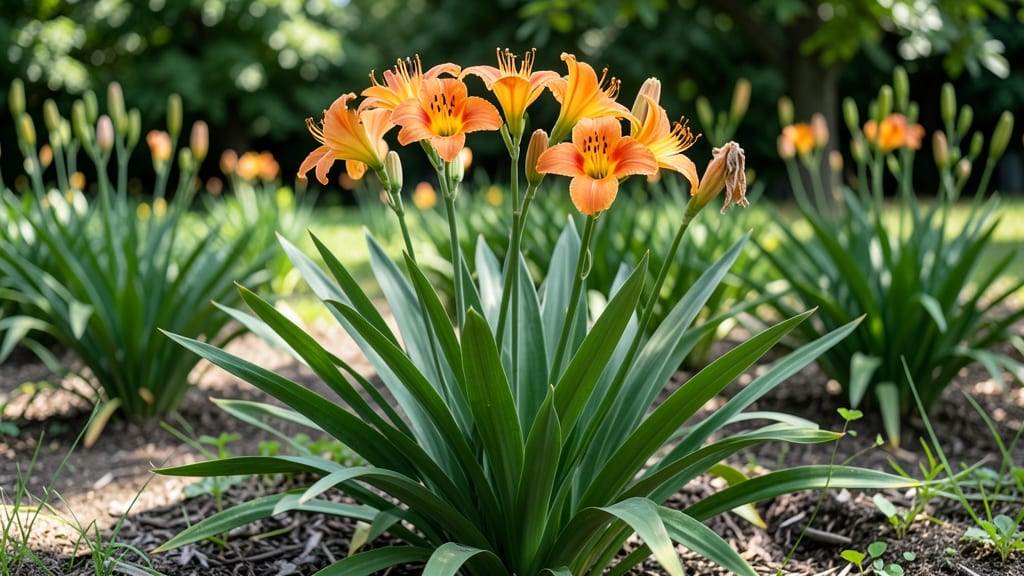
Timing the daylily bloom time is the key to a garden bursting with color—because these hardy perennials don’t all follow the same schedule, and your hardiness zone can shift their peak by weeks.
Wondering why your daylilies aren’t blooming when they should? The secret lies in understanding their exact bloom windows—because not all varieties follow the same schedule, and hardiness zones play a critical role in timing.
From early bloomers like Stella de Oro lighting up in May to late-season stars like Happy Returns lasting into September, each variety has its own rhythm. I’ll break down the exact months for your zone, plus how to stretch their season with simple tricks.
You’ll also learn how to spot early vs. late bloomers, plan your garden layout for year-round color, and avoid common mistakes that cut blooms short—so you can enjoy 🌸 after 🌸 without the guesswork.
Daylily bloom time by variety: month-by-month breakdown for peak flowers
Daylilies are perennial powerhouses that can bloom for weeks, but their timing varies dramatically by variety. Some like Stella de Oro start in early June, while others like Happy Returns stretch from May to September. Knowing these windows helps you plan for continuous color in your garden.
Hardiness zones also shift bloom times—northern gardens (zones 3-5) see blooms 2-4 weeks later than southern gardens (zones 8-10). I’ve organized this guide by early, mid, and late-season bloomers so you can mix varieties for year-round interest.
Pro Tip: Reblooming varieties (marked below) can produce two bloom cycles per year if given proper care. Non-rebloomers typically flower once in mid-summer.
| Variety | Bloom Period (USDA 6a) | Reblooms? | Height (ft) | Color |
|---|---|---|---|---|
| Stella de Oro | Early June - August | Yes | 1.5-2 | Golden Yellow |
| Happy Returns | May - September | Yes | 2-2.5 | Pink |
| Bloomerang | June - October | Yes | 2-2.5 | Purple |
| Dixie Belle | July - August | No | 2-2.5 | White |
| Café au Lait | June - July | No | 2-2.5 | Cream |
| Two Weeks Wonder | Early June - Late July | No | 2-2.5 | Yellow/Orange |
| Pardon Me | June - August | Yes | 2-2.5 | Orange |
| Evening Star | July - September | Yes | 2-2.5 | Purple |
*Bloom periods adjust 2-4 weeks earlier in zones 8-10 and 2-4 weeks later
Your hardiness zone isn't just a number—it’s the key to unlocking your daylilies' bloom timing. In USDA zones 3-5, cold snaps delay blooms until late June or July, while zones 8-10 kick off flowers as early as March or April. This shift happens because cooler climates force plants into dormancy longer, while warmer zones enjoy extended growing seasons. Understanding these differences helps you choose reblooming varieties and plan staggered plantings for continuous color. For example, my Stella de Oro daylilies in zone 7 bloom from June through September, but in zone 4, the same variety might wait until July and finish by August. Southern gardeners often enjoy year-round blooms by mixing early, mid, and late-season varieties, while northern gardeners focus on reblooming cultivars that flower twice per season. The right strategy depends entirely on your climate. Here’s how to visualize the differences—this comparison shows bloom windows for northern vs. southern zones and which varieties thrive in each: To extend your daylilies' bloom season, try planting reblooming varieties like Happy Returns or Bloomerang, which produce two flushes of flowers per year. In northern zones, I’ve had success by dividing clumps every 3-4 years—this rejuvenates plants and often triggers earlier blooms. For southern gardens, focus on heat-tolerant varieties like City Limits, which handles 90°F+ temperatures without wilting. For year-round color, pair daylilies with complementary plants. In cool climates, add fall-blooming asters or chrysanthemums to bridge the gap after daylilies fade. In warm climates, winter-blooming hellebores and spring crocus create seamless transitions. I’ve even seen gardeners in zone 10 plant daylilies alongside snapdragons for 12-month interest. The secret? Researching each plant’s hardiness and bloom duration to fill every season. Don’t forget that soil temperature also plays a role—daylilies need 60°F+ soil to bloom. In northern zones, wait until late May to fertilize, while southern gardeners can start in early March. I’ve learned the hard way that rushing fertilization in cold soil leads to leafy growth without flowers. Always check soil temps with a soil thermometer before amending. With the right variety selection and planting strategy, you can enjoy daylilies in bloom for 6+ months—no matter your zone. Start by identifying your last frost date, then choose varieties that align with your local climate. For northern gardeners, focus on rebloomers; for southerners, prioritize heat tolerance. Either way, your garden will thank you with nonstop color from spring to frost. 🌸How hardiness zones shift daylily bloom time (and what to plant for year-round color)
Factor
USDA Zones 3-5 (Northern)
USDA Zones 8-10 (Southern)
Primary Bloom Window
Late June - August
March - May (early) or September - November (late)
Reblooming Varieties
Happy Returns, Bloomerang (limited rebloom)
Stella de Oro, City Limits (prolonged blooms)
Staggered Planting Strategy
Plant early (May) and late (July) varieties
Mix spring (March) and fall (September) bloomers
Year-Round Color Tip
Use late rebloomers + fall-blooming asters
Add winter-blooming hellebores and spring crocus
Key Limiting Factor
Cold snaps delay growth
Heat stress reduces blooms