
Blooming
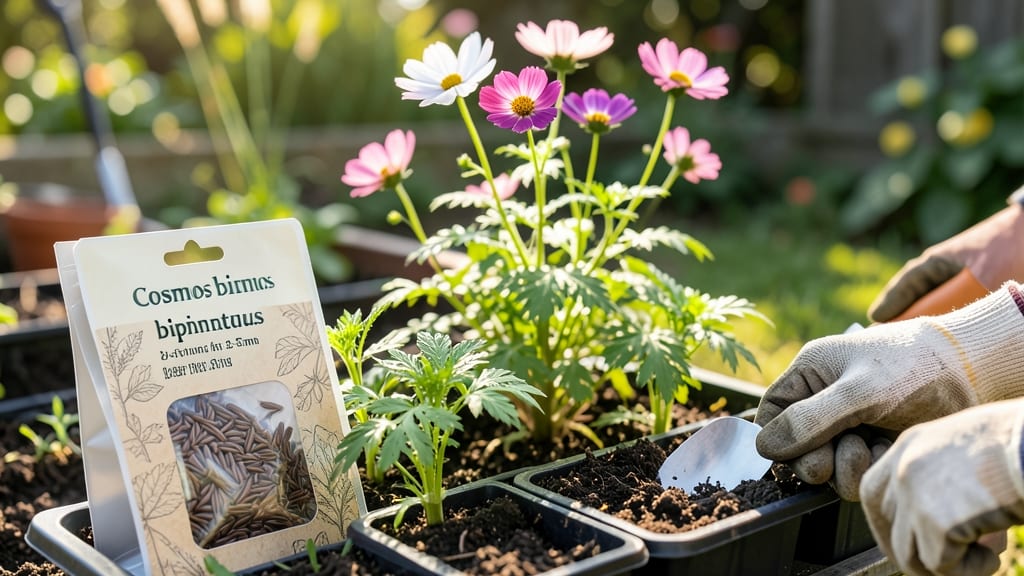
The cosmos seed-to-bloom time can vary between 60–90 days—but with the right conditions, you can adjust that timeline to fit your garden’s rhythm.
Picture this: you tuck those tiny seeds into the soil in spring, and by midsummer, your garden erupts with vibrant blooms—if you’ve got the right conditions.
But miss the mark on sunlight or soil, and those 🌼 cosmos might take their sweet time (or worse, never show up at all).
Here’s the good news: with the right approach, you can shave weeks off that seed-to-bloom window. We’ll break down exactly how long each popular variety takes, what slows them down, and the simple tweaks that get those flowers popping faster.
Whether you’re a patient gardener or just want instant color, this guide cuts through the guesswork so you know exactly what to expect—and how to speed things up.

Cosmos seed to bloom time by variety: fastest vs slowest flowering types
If you've ever planted cosmos seeds hoping for quick color, you know the wait can feel endless. But here's the good news: some varieties bloom in as little as 45 days, while others take closer to 90 days.
The difference comes down to the specific cosmos variety and growing conditions. Let me break down the exact timelines for popular types so you can choose the fastest bloomers for your garden.
Most cosmos are annuals, meaning they complete their life cycle in one season. However, their bloom times vary dramatically. For example, 'Bright Lights' typically flowers in 55-65 days, while 'Seashells' can take 70-80 days.
Understanding these differences helps you plan your garden for maximum impact. Whether you're aiming for early summer blooms or late-season color, selecting the right variety makes all the difference.
Key factors like sunlight exposure, soil fertility, and watering consistency can also shorten or lengthen bloom times. For fastest results, I recommend planting in well-draining soil with full sun (6+ hours daily) and maintaining consistent moisture during germination. These conditions help cosmos reach their full potential faster.
| Variety | Days to First Bloom | Height (ft) | Best For |
|---|---|---|---|
| 'Bright Lights' | 55-65 days | 3-4 ft | Early blooms, cut flowers |
| 'Sensation Mix' | 60-70 days | 2-3 ft | Borders, containers |
| 'Seashells' | 70-80 days | 4-5 ft | Tall backdrops |
| 'Sonata Double' | 65-75 days | 2-3 ft | Long-lasting blooms |
| 'Purity' | 45-55 days | 2-4 ft | Fastest bloomer |
'Purity' is the fastest cosmos variety, often blooming in just 45-55 days. This makes it ideal if you're eager to see color early in the season.
If you're growing cosmos for cut flowers, 'Bright Lights' is a top choice due to its compact size and quick bloom time. For taller varieties, 'Seashells' adds drama but requires more patience—expect blooms around 70-80 days.
Temperature also plays a role in bloom times. Cosmos thrive in warm soil (at least 60°F), so planting too early can delay germination. In cooler climates, wait until after the last frost (typically mid-April to May in Zone 6a).
If you're in a hotter region, you can even plant cosmos in early fall for winter blooms in mild climates.
Soil quality matters too. Cosmos prefer loamy, well-draining soil with a pH of 6.0-7.0. Amend heavy clay soil with compost or sand to improve drainage. Overly rich soil can lead to leafy growth instead of flowers, so avoid over-fertilizing.
A light feeding with a 5-10-10 fertilizer every 4-6 weeks is usually enough to encourage blooming without excessive foliage.
Watering habits can speed up or slow down bloom times. Keep soil lightly moist during germination, but once established, cosmos are drought-tolerant. Water deeply once a week during dry spells, and always water at the base of the plant to avoid fungal issues.
Overhead watering can lead to powdery mildew, which weakens plants and delays flowering.
For the fastest results, I recommend direct sowing seeds after the last frost. Cosmos don't transplant well, so skipping this step saves time. Space seeds 12-18 inches apart for dwarf varieties and 24-36 inches apart for taller types.
Thin seedlings to avoid competition, which can slow down individual plant growth and delay blooming.
Deadheading—removing spent blooms—is another trick to encourage continuous flowering. This redirects the plant's energy from seed production to new blooms, often extending the flowering season by 4-6 weeks. Use clean, sharp pruning shears and cut just above a set of leaves to promote bushier growth.
If you're growing cosmos in containers, choose pots at least 12 inches deep to accommodate their roots. Container-grown cosmos may bloom slightly later than those in the ground, but they still follow the same variety-specific timelines. Just ensure containers have drainage holes to
How to speed up cosmos bloom time: pro tips for faster flowers
If you're eager to see those vibrant cosmos blooms faster, you’re not alone! Most varieties take 60–90 days from seed to flower, but with the right techniques, you can shave off 20–30% of that time.
The key lies in optimizing germination conditions, soil health, and growth environment to push your cosmos into full bloom sooner.
Cosmos thrive on quick germination and rapid vegetative growth, but common mistakes like overcrowding or poor soil drainage can stall progress. By focusing on sunlight exposure, watering consistency, and nutrient-rich soil, you’ll create the perfect conditions for faster, more abundant flowers.
Let’s dive into the proven strategies that work.
- 🌱 Start seeds indoors 4–6 weeks before last frost for a 2-week head start over direct sowing.
- ☀️ Ensure 6+ hours of full sun daily—cosmos bolt faster in bright, direct light.
- 💧 Water deeply 2–3 times per week during germination; reduce to once weekly once established.
- 🌿 Amend soil with compost before planting to boost nutrient uptake and root growth.
- ✂️ Deadhead spent blooms weekly to redirect energy into new flower production.
One of the fastest ways to accelerate bloom time is by starting seeds indoors 4–6 weeks before your last frost date. Cosmos germinate quickly in warm soil (70–80°F), so using a heat mat can cut germination time by nearly half.
Once seedlings have 2–3 true leaves, transplant them outdoors after hardening off for 7–10 days.
Don’t underestimate the power of companion planting—pairing cosmos with basil or marigolds can deter pests and improve soil fertility, indirectly speeding up growth. Additionally, mulching with straw helps retain moisture and regulate soil temperature, creating ideal conditions for faster root development.
For maximum speed, avoid over-fertilizing with nitrogen—it promotes leafy growth over blooms. Instead, use a balanced 5-10-10 fertilizer every 4–6 weeks once flowers appear. This ensures your cosmos focus energy on producing vibrant blooms rather than excessive foliage.
With these strategies, you’ll see cosmos blooms 3–4 weeks earlier than average, turning your garden into a floral showstopper by midsummer. The secret? Consistency in care and attention to detail—your cosmos will reward you with bold, cheerful flowers in record time! 🌼