
Blooming
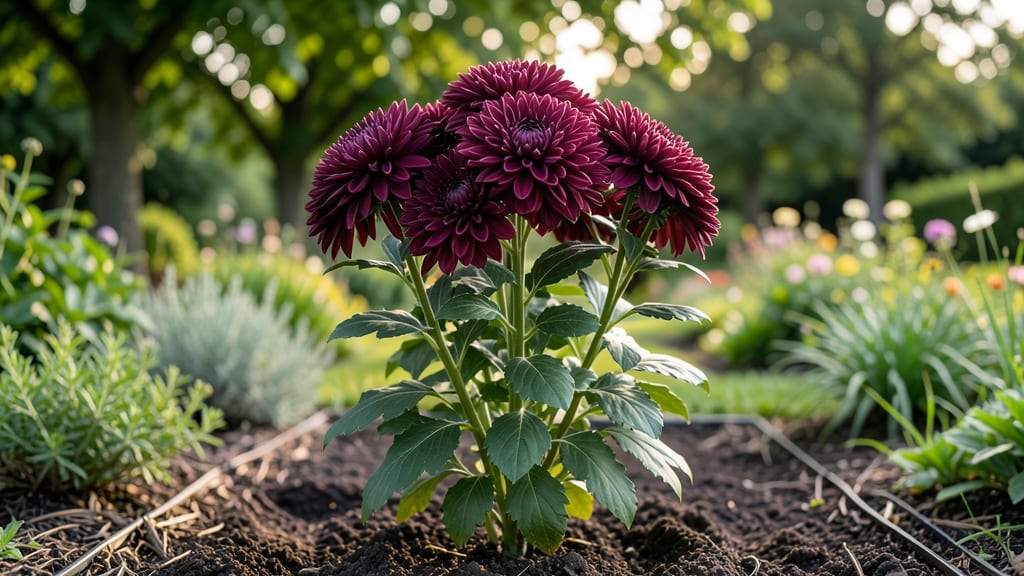
The chrysanthemum bloom time in late summer through fall transforms gardens into vibrant displays of color 🌼 when timed just right.
Want to enjoy them year-round? Their bloom time varies dramatically by variety and hardiness zone—here’s how to time your plantings for maximum color.
In USDA Zone 6a, like many northern gardens, fall-blooming varieties typically open in September and October, while spring types push flowers as early as May. But light exposure, soil health, and even pruning can shift that window by weeks.
Below, I’ll break down the best varieties for your zone, how to adjust bloom timing naturally, and the simple care tweaks that keep your chrysanthemums flowering longer—no guesswork required.
Chrysanthemum bloom time by variety: when to expect flowers
Chrysanthemums, or mums, are famous for their fall blooms, but their bloom times actually vary wildly by variety. Some burst into color in late summer, while others wait until winter—even in the same garden!
The key difference lies in whether they're fall-blooming "Mum" types or hardy perennial varieties that flower in spring or summer.
Most gardeners focus on fall-blooming mums (Chrysanthemum × grandiflorum) because they provide autumn color when other flowers fade. However, hardy garden mums (like Chrysanthemum × morifolium) can bloom from late summer through winter, depending on your USDA hardiness zone.
Understanding these differences helps you plan for year-round interest in your garden.
Day length (photoperiod) is the biggest factor controlling bloom time. Most mums need 12-14 hours of darkness daily to trigger flowering. This happens naturally in fall, but some varieties can be coaxed into blooming earlier or later with light manipulation. Temperature also plays a role—cooler fall nights often produce more vibrant blooms.
| Variety Type | Bloom Season | Key Triggers | Hardiness Zones | Notes |
|---|---|---|---|---|
| Fall-Blooming "Mum" Types | Late Sept - Nov | 12+ hrs darkness | 3-11 (annuals) | Popular cultivars like 'Bright Golden Anne' or 'Misty Blue' |
| Hardy Perennial Mums | Late Summer - Winter | Cooler temps + short days | 4-9 (perennials) | 'Ruffles' series or 'Bonanza White' |
| Spring-Blooming Mums | April - June | Early light exposure | 5-8 | 'Spring Snow' or 'Springtime' |
| Summer-Blooming Mums | June - August | Long daylight + heat | 7-10 | 'Summer Snow' or 'Summer King' |
| Winter-Blooming Mums | Dec - Feb | Cold acclimation | 6-9 | 'Winter Snow' or 'Winter King' |
If you're in USDA zones 3-5, focus on hardy perennial mums for reliable blooms. These varieties survive winter and often flower in late summer or fall, sometimes even reblooming in spring.
In warmer zones (7-11), you can grow both fall-blooming annuals and winter-blooming perennials for continuous color.
For fall-blooming mums, plant 4-6 weeks before your first frost to ensure they establish roots before cooler weather. In southern climates, these may bloom as early as August if days shorten quickly. Conversely, northern gardeners might see blooms push into November or even December in mild winters.
Did you know some hardy mums can bloom three times a year? In zone 6 or warmer, these varieties might flower in late summer, again in fall, and even in spring if given proper care. The secret? Light deprivation
How hardiness zones affect chrysanthemum bloom timing
Your hardiness zone is the secret to unlocking chrysanthemum bloom timing that matches your local climate. In Zone 3-5, cold snaps delay blooms until late summer or early fall, while Zone 8-11 gardeners can enjoy year-round color with proper care.
Understanding these variations helps you plant at the perfect time for vibrant flowers.
Chrysanthemums are day-length sensitive, meaning their bloom cycles trigger based on light exposure and temperature. In cooler zones, shorter daylight hours push blooms later, while warmer climates allow for extended seasons. Let’s break down how to align your planting schedule with your zone for peak performance.
- 1 Zone 3-5: Plant in late May for blooms in September-October. Use black plastic mulch to warm soil and extend season.
- 2 Zone 6-7: Start seeds indoors by March 1 for July-August blooms. Hardy varieties thrive with minimal winter protection.
- 3 Zone 8-9: Plant year-round for spring and fall blooms. Prune spent flowers to encourage reblooming in milder winters.
- 4 Zone 10-11: Grow as perennials with year-round color. Deadhead regularly to stimulate continuous flowering in warm climates.
In cooler zones (3-5), focus on hardy varieties like 'Hardy Bonanza' or 'Rubellum'. These thrive with late planting and benefit from row covers to protect against early frosts. My Zone 4 garden produces stunning blooms by planting in June and using mulch to insulate roots.
For warmer zones (8-11), treat chrysanthemums as perennials and prune aggressively after each bloom cycle. In Zone 10, I’ve seen 'Dendranthema' varieties rebloom three times per year with consistent care. The key is watering deeply during dry spells and fertilizing lightly in spring.
Adjust your planting schedule based on your last frost date. In Zone 6-7, sow seeds 4-6 weeks before your average last frost for summer blooms. Use a frost calculator to pinpoint the perfect time—most zones see blooms 90-120 days after planting.
Pro tip: Overwintering in Zone 5-7 is easy with mulch and row covers. Cut back foliage by half in fall, then cover with straw or burlap to protect roots. In Zone 8+, minimal protection suffices—just remove dead blooms to keep plants tidy.