
Blooming
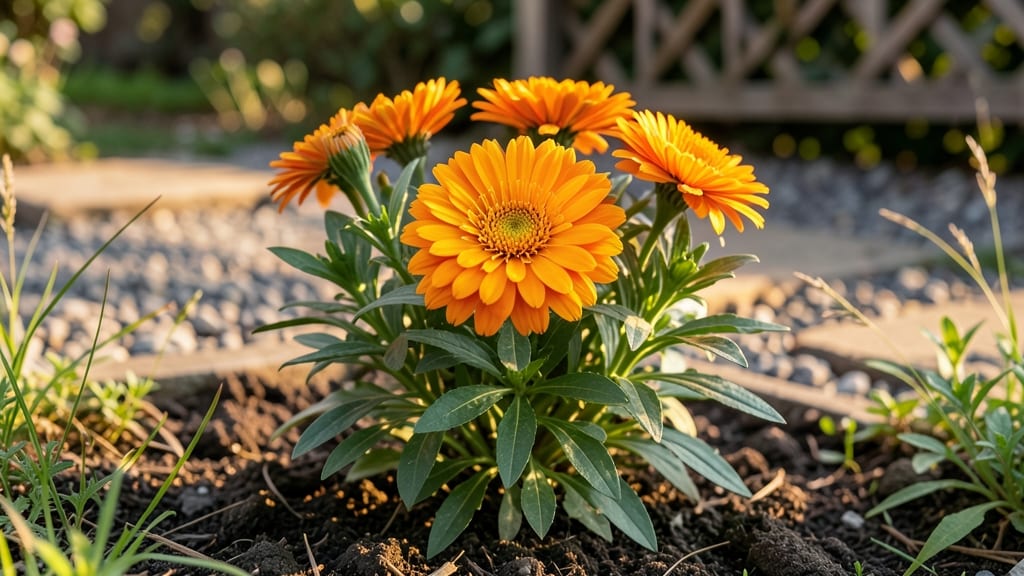
Calendula blooms thrive on heat, triggering vibrant reblooms when temperatures hit 75-85°F—and timing these cycles means more flowers with less work.
Did you know calendula’s vibrant blooms often respond to heat like a natural timer—reblooming predictably when temperatures rise? Understanding this heat-triggered cycle can double your harvest with minimal effort.
In USDA Zone 6, most varieties kick off their first flush in June, then reset after summer heat, while drought-tolerant types like ‘Pacifica’ may flower year-round in warmer climates. The key? Sunlight, soil, and a little strategic pruning.
Below, I break down rebloom schedules by variety, how to extend flowering through summer, and the simple tricks that keep your 🌼 calendula blooming until frost.
How heat triggers calendula reblooming: the science behind the schedule
Calendula plants are masters of heat-triggered blooming, using temperature shifts as their internal clock. When daytime temperatures hit 75-85°F, their floral buds receive a signal to open, often within 7-10 days of consistent warmth.
This response is especially strong in annual varieties, which rely entirely on seasonal heat cues to rebloom.
The magic happens through a process called thermomorphogenesis, where heat alters plant hormones like ethylene and abscisic acid. These chemicals accelerate bud development, while cooler nighttime temperatures (55-65°F) help reset the cycle for another round of blooms.
Think of it like a natural bloom reset button activated by your garden's thermostat.
Here’s how different calendula types respond to heat triggers:
| Variety Type | Heat Trigger Range | Rebloom Interval | Optimal Night Temp |
|---|---|---|---|
| Annual (e.g., 'Bonanza') | 75-85°F | Every 3-4 weeks | 55-65°F |
| Perennial (e.g., 'Pacifica') | 70-80°F | Every 4-6 weeks | 50-60°F |
| Dwarf Varieties | 70-78°F | Every 2-3 weeks | 50-58°F |
Annual calendula varieties like 'Bonanza' or 'Moonlight' are particularly sensitive to heat triggers. When daytime temperatures consistently stay in the 75-85°F range, these plants will often produce new buds within 7-10 days, leading to continuous blooms throughout the growing season.
The key is maintaining this temperature window while ensuring cooler nights to prevent stress.
Perennial calendula, such as 'Pacifica', follow a slightly different schedule. These varieties may need 2-3 weeks of consistent warmth before responding, and their rebloom intervals are longer—typically 4-6 weeks between cycles.
The trade-off is that perennials often handle milder heat fluctuations better than annuals, making them ideal for USDA Zones 7-10.
You can manipulate this natural cycle with simple gardening techniques. For example, mulching with straw helps regulate soil temperature, while light pruning after each bloom removes spent flowers and encourages new growth.
Even a 50% shade cloth during extreme heat (above 90°F) can prevent bolting and extend the blooming window.
One common misconception is that calendula blooms only once. In reality, with the right heat management, you can coax 3-5 bloom cycles from a single plant in one season. The trick is to mimic the plant’s natural day-night temperature rhythm.
For instance, if your evenings stay too warm (above 70°F), the plant may not reset properly, leading to fewer blooms.
To test your calendula’s heat response, try this experiment: Place a thermometer near your plants and note when daytime temps hit 75°F. Count the days until new buds appear.
Most varieties will show signs of new growth within 7-14 days. If they don’t, check for overwatering or nutrient deficiencies, which can delay the heat trigger.
For gardeners in hot climates (Zones 9-11), the challenge is often preventing heat stress. Use drip irrigation to keep roots cool and apply a light shade cloth during peak afternoon heat.
In cooler regions (Zones 3-6), focus on extending the growing season with row covers or cold frames to maintain the optimal 75-85°F window.
Understanding calendula’s heat-triggered schedule isn’t just about timing—it’s about working with your plant’s biology. By aligning your care routine with these natural cues, you’ll enjoy longer bloom periods and healthier plants with minimal extra effort.
The next time you see those golden-orange petals unfurling, remember: your garden’s thermostat is the real maestro behind the show. 🌼☀️
Rebloom timelines by calendula variety: when to expect heat-triggered flowers
Calendula’s heat-triggered reblooming makes it one of the most predictable flowers in your garden. When daytime temperatures hit 75-85°F, most varieties respond by shedding spent blooms and producing fresh flowers within 2-3 weeks.
The key difference between varieties lies in their initial bloom windows and how quickly they reset after heat exposure.
Drought-tolerant varieties like 'Pacifica' and 'Bonanza Mix' thrive in hot, dry climates and often rebloom faster than heat-sensitive types. Meanwhile, varieties like 'Moonlight' (with its creamy petals) may need slightly cooler nights to trigger consistent reblooming.
Let’s break down what to expect from five popular varieties and how to time your harvests.
If you’re growing 'Bonanza Yellow', expect your first blooms around 8-10 weeks after sowing, with reblooms appearing every 2-3 weeks once temperatures stabilize. This variety is perfect for hot, dry climates like USDA Zones 7-10, where it thrives without extra watering.
The 'Pacifica Mix' stands out for its speed—it often blooms in just 55-65 days and reblooms every 10-14 days when heat triggers kick in. This makes it ideal for cut-flower gardens or container growing, where frequent harvests are a priority.
For best results, plant it in well-draining soil and avoid overwatering.
For cooler regions (USDA Zones 5-6), 'Moonlight' is a reliable choice, though it may need light shade during afternoon heatwaves to prevent bolting. Its 21-28 day rebloom cycle means you’ll need patience, but the delicate cream petals are worth the wait for wedding or bouquet arrangements.
To maximize reblooms, deadhead spent flowers as soon as they fade—this signals the plant to redirect energy into new blooms. For heat-sensitive varieties like 'Moonlight,' mulch with straw or straw mulch to keep roots cool during midday heat.
With the right variety and care, you can enjoy continuous blooms from June through October!