
Flowers
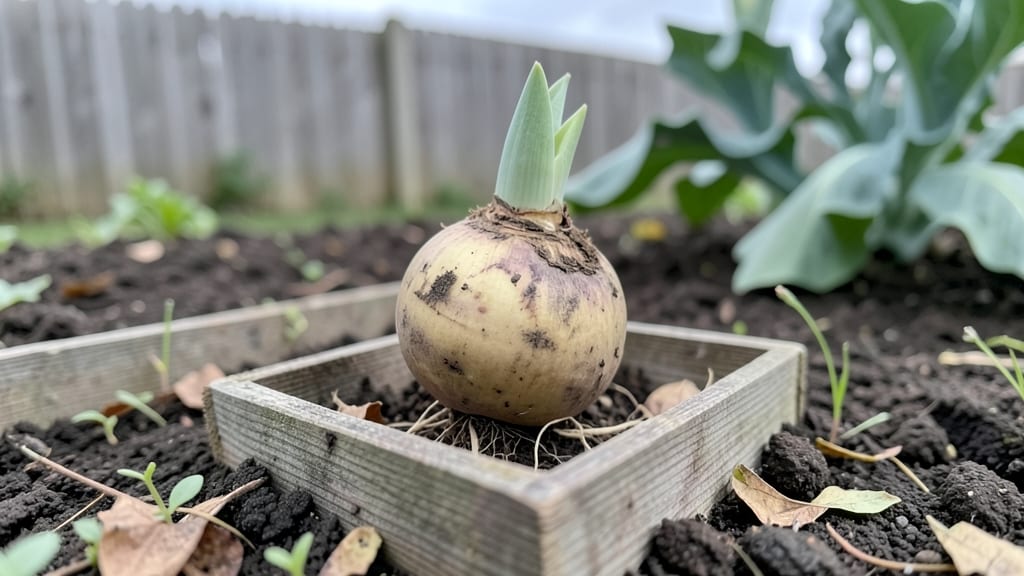
The identification of bulbs by picture transforms your garden’s mysteries into confident planting plans—no guesswork required. 🌱
Staring at a mysterious bulb in your hand—no label, no clues—can turn gardening excitement into frustration. But what if you could identify it instantly just by snapping a picture? With the right approach, you’ll unlock the secrets of your garden’s hidden treasures in seconds.
Most gardeners waste time guessing or risk planting the wrong bulb, but a simple photo upload to the right tool can reveal everything you need to know. From tulips to daffodils, these free apps and online databases match your bulb’s shape, size, and texture to known varieties in moments.
Below, I’ll walk you through the easiest methods to capture clear photos, spot key identification clues, and avoid common mistakes—so you can plant with confidence and watch your garden thrive.
How to identify bulbs by picture using free online tools
Picture-based bulb identification is a game-changer for gardeners dealing with unlabeled bulbs. Instead of guessing or risking incorrect planting, you can now match your mystery bulbs to hundreds of known species using free tools like PlantNet, iNaturalist, or Google Lens.
These platforms use advanced algorithms to analyze bulb shapes, textures, and even subtle color patterns—features that distinguish a tulip bulb from a daffodil or hyacinth.
The key to success lies in capturing high-quality images that highlight the bulb’s unique characteristics. A well-lit photo showing the bulb’s size, papery coating, and any visible root structures will give the app the best chance to deliver accurate results.
Even if you’re not tech-savvy, following a few simple steps will turn your smartphone into a powerful gardening tool.
Step-by-Step Bulb Identification
-
Step 1: Choose the Right Tool
Download PlantNet or iNaturalist (both free) or use Google Lens (built into Google Photos). Each has strengths: PlantNet excels for bulb-specific IDs, while Google Lens works instantly with your existing photos.
-
Step 2: Capture Clear Photos
Hold the bulb against a plain white background (like a sheet or poster board) to eliminate distractions. Use natural light or a bright lamp to avoid shadows. Include a coin or ruler for scale—this helps apps gauge size accurately.
-
Step 3: Focus on Key Features
Zoom in to show the bulb’s texture (papery vs. fleshy), shape (round, teardrop, or elongated), and any color variations. If the bulb has roots, capture those too—they’re often a dead giveaway for species like lilies or alliums.
-
Step 4: Upload and Refine
Upload the photo to your chosen app. If results aren’t perfect, try adjusting the photo’s contrast or brightness to emphasize details. Some apps let you draw on the image to highlight key areas, like the bulb’s base or tip.
-
Step 5: Verify with Secondary Sources
Cross-check the app’s results with garden guides or online bulb databases like Bulb365.com. Look for matches in size, bloom time, and growing conditions. A tulip bulb, for example, should measure about 1-2 inches in diameter and have a papery brown coating.
-
Step 6: Plan Your Garden
Once identified, research the bulb’s planting depth, sunlight needs, and bloom season. For instance, daffodils thrive in full sun and bloom in early spring, while hyacinths prefer partial shade and flower in late winter. Use this info to map your garden for season-long color.
Pro tip: If your bulb is still in the ground, take photos of both the bulb itself and the emerging foliage. Leaves can provide critical clues—long, sword-like leaves often indicate lilies, while narrow, grass-like leaves might signal alliums.
The more details you capture, the more precise the identification.
For gardeners with rare or exotic bulbs, consider joining forums like GardenWeb or Reddit’s r/Gardening. Post your photos and descriptions—experienced growers often spot details apps might miss, like subtle scent notes or unique root patterns. This community-driven approach can unlock even the trickiest identifications.
Remember, the goal isn’t just to name the bulb but to understand its needs. A correctly identified tulip bulb planted in the wrong soil or light will struggle to thrive.
Use your newfound knowledge to create a flourishing bulb garden with confidence, knowing each plant is getting exactly what it needs to bloom beautifully.
With these tools and techniques, you’ll never again be stuck wondering, “What kind of bulb is this?” Instead, you’ll be equipped to turn mystery bulbs into garden stars—all with just a few clicks and a clear photo. Happy identifying! 🌱
Key visual features to look for when identifying bulbs
Identifying bulbs by picture starts with understanding their unique physical traits. Each bulb has a distinct size, shape, and coating that sets it apart. For example, tulips often have a smooth, papery skin, while daffodils feature a rough, fibrous texture.
Paying attention to these details can save you hours of guesswork and ensure you plant them correctly for the best blooms.
The color and pattern of the bulb’s outer layer also offer clues. Some bulbs, like hyacinths, have a matte, brownish-paper coating, while others, such as lilies, may appear scaly and fleshy.
Even the size differences—from tiny crocus bulbs (smaller than a grape) to massive lily bulbs (the size of a softball)—can help narrow down the possibilities.
Beyond the bulb itself, observe the growth habits of the plant. For instance, tulips produce single stems with 6 petals, while daffodils have 3 petals and a trumpet-shaped corona.
These flower structures are often the easiest way to confirm your ID once the plant emerges. Keep a notebook handy to jot down these details as you explore your garden.
Don’t overlook the leaf patterns either. Some bulbs, like hyacinths, have long, strap-like leaves, while others, such as lilies, feature broad, lance-shaped foliage. These leaf characteristics can be just as telling as the bulb itself.
For example, alliums produce round, globe-shaped flowers on tall stems, making them instantly recognizable once they bloom.
If you’re still unsure after examining the bulb and plant, check the bloom time. Many bulbs flower at specific times of year, which can help eliminate possibilities. For example, tulips typically bloom in late spring, while crocuses often appear in early spring.
Combining these seasonal clues with visual traits will give you the confidence to plant with precision.
With practice, you’ll start recognizing bulbs by their unique signatures alone. Next time you’re holding a mystery bulb, take a close look at its size, coating, and shape, then match it to the chart above.
Before you know it, you’ll be identifying bulbs like a pro—and your garden will thank you for the perfect placement! 🌷