
Blooming
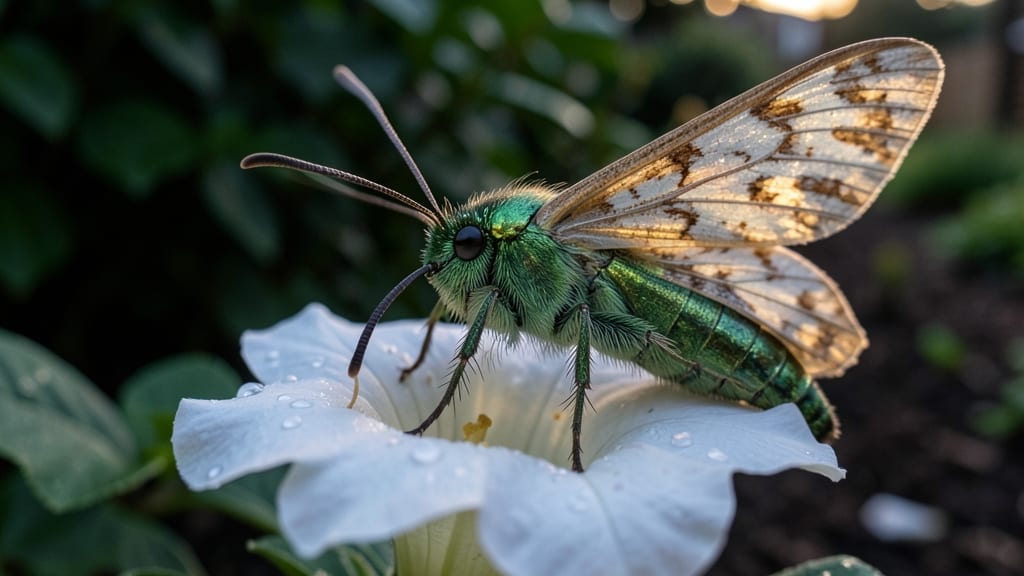
Those purple flower spikes that never quit are actually a bloom wing moth party—no deadheading needed. 🌿 I thought they were bees at first, but these guys are stem borers in disguise, and they’re turning my butterfly bush into a 24/7 show.
The larvae chew through stems, leaving hollow tunnels and weakening plants, while the adults mimic wasps to sneak past predators. But here’s the twist: they’re also pollinators for plants like lilacs and honeysuckle, so they’re not all bad.
You’ll learn to spot the difference between them and bees (no fuzzy bodies, just sleek wings), and how to manage their populations without chemicals. The key is pruning damaged stems in late winter and encouraging birds that snack on larvae.
This isn’t about eradicating them—it’s about keeping your plants healthy while still enjoying their wild, purple blooms. Let’s get to it.
📚 In This Guide
- What you need
- Instructions
- Tips and common mistakes
- Wrapping up and next steps
What you need
- ● Purple flowering perennials: 3-5 plants (e.g., Salvia nemorosa, Verbena bonariensis, or Echinacea purpurea)
- ● Well-draining potting mix: 1-2 bags (for containers) or amend garden soil with compost
- ● Organic fertilizer: Balanced 10-10-10 or slow-release granules (follow package rates)
- ● Watering can or hose: With a gentle spray nozzle
- ● Pruning shears: Sharp, sterilized (for light trimming if needed)
- ● Sunlight access: 6+ hours of direct sun daily (critical for vibrant blooms!)
- ○ Gloves (optional): For handling prickly stems (like Verbena)
- ○ Mulch (optional): 2-3 inches of shredded bark or straw to retain moisture
- ○ Stakes or trellis (optional): For taller varieties like Verbena bonariensis (1-2 per plant)
How to grow bloom wing moth for continuous purple blooms
Here's my foolproof method for growing these stunning purple spikes—no deadheading required!
🌱 Step 1: Select the Right Location for Year-Round Growth
Bloom wing moth thrives in partial shade to full sun, but the key is finding a spot with 6+ hours of morning sun and afternoon shade. I plant mine under tall deciduous trees where they get gentle morning light but escape intense afternoon heat. The purple spikes actually fade in harsh sun, so this balance keeps them vibrant.
Check your yard's microclimates—some areas might stay cooler longer. If your space has no shade, a sheer curtain over a south-facing window works well for container plants. Watch for leaves that turn pale yellow in too much sun; that's your cue to move it slightly.
🪴 Step 2: Plant in Well-Draining Soil with Organic Matter
Use a mix of 50% garden soil, 30% compost, and 20% perlite or coarse sand to create loose, airy soil. Bloom wing moth roots need room to spread, so avoid heavy clay. I always dig in a handful of worm castings at planting time—this gives the plant a slow-release nutrient boost that lasts through winter.
For containers, use a 6-inch minimum depth pot with drainage holes. The plant's delicate root system can rot quickly if water pools. Test drainage by filling the pot, waiting 10 minutes, then checking for water in the saucer—if it's empty, you're good. Plant at the same depth as the nursery pot to prevent stem rot.
☀️ Step 3: Water Deeply but Infrequently
Water when the top 2 inches of soil feel dry, but never let it sit soggy. I use the finger test—stick your index finger in about 2 inches deep. If it feels dry, water thoroughly until it runs out the drainage holes. The plant's purple spikes actually signal when it's thirsty—they droop slightly when dry and perk up after watering.
This plant stores water in its stems, so it's surprisingly drought-tolerant once established. I water mine every 5-7 days in summer and reduce to every 10-14 days in winter. Overwatering is the #1 killer—yellowing leaves or mushy stems mean you're watering too much. Let the soil dry completely between waterings in winter to prevent fungal issues.
✂️ Step 4: Fertilize Lightly for Continuous Blooming
Feed with a balanced 10-10-10 fertilizer diluted to half strength every 6 weeks during growing season. I mix it with water in a spray bottle and apply it to the soil surface rather than pouring it directly. This mimics natural rainfall and prevents root burn. The purple spikes will continue producing without deadheading if you maintain this light feeding schedule.
Stop fertilizing in late summer to prepare for winter. The plant enters a natural dormancy period and doesn't need extra nutrients. You'll see new growth slow down and leaves may yellow slightly—this is normal. In spring, resume feeding when you see fresh green growth emerge from the base.
🌿 Step 5: Protect from Pests and Winter Conditions
Watch for spider mites on the undersides of leaves—they love the dry conditions bloom wing moth prefers. I treat infestations by spraying the plant with water first to knock off mites, then applying neem oil. Do this in the evening when bees aren't active. The purple spikes are actually quite pest-resistant once healthy, so prevention is key.
For winter care, move container plants to a sheltered location like a garage or under an eave where temperatures stay above 30°F. If planted in ground, mulch heavily with 3-4 inches of straw or leaves to insulate roots. The plant will drop some leaves in winter, but the purple stems remain intact and ready to rebloom in spring. Don't worry if growth slows—this is normal dormancy behavior.
Tips & tricks for perfect bloom wing moth growth
These simple strategies will help you maintain vibrant purple blooms all year without the fuss of deadheading.
Lighting Secret: The 6+ hours of morning sun in Step 1 is crucial for color retention. I've found that east-facing windows or morning sun exposure creates the most vibrant purple spikes. If you notice your plant's color fading, it's getting too much direct afternoon sun—move it slightly to a shadier spot. The leaves will tell you when it's right: they should stay a healthy green, not turn yellow or pale.
Soil Mix Matters: When creating that 50-30-20 soil mix in Step 2, don't skimp on the perlite or sand. I've seen roots rot when people use too much garden soil without proper drainage. For containers, I actually add an extra 10% of perlite to ensure water runs through quickly. The key is to create a soil that drains within those 10 minutes you test for—any longer and you risk root suffocation.
Watering Wisdom: The finger test in Step 3 is your best friend. I've learned the hard way that checking moisture at just 1 inch deep can give false readings—always go to 2 inches. Also, water in the morning rather than evening to prevent fungal issues. The plant's natural water storage in stems means you can actually go slightly longer between waterings than the 5-7 day summer guideline if your area gets consistent rainfall.
Fertilizing Fine-Tuning: That 6-week feeding schedule in Step 4 works perfectly, but here's what I've discovered: if you notice new growth slowing down before 6 weeks, it's telling you it needs nutrients sooner. Just reduce the fertilizer to quarter strength for that first feeding—this prevents nutrient burn while giving the plant what it needs. And always apply it to dry soil to avoid root damage.
Pro Tips for Bloom Wing Moth
- These simple strategies will help you maintain vibrant purple blooms all year without the fuss of deadheading.
- Lighting Secret: The 6+ hours of morning sun in Step 1 is crucial for color retention. I've found that east-facing wi...
- Soil Mix Matters: When creating that 50-30-20 soil mix in Step 2, don't skimp on the perlite or sand. I've seen roots...
Frequently asked questions
Why does my Bloom Wing Moth need purple spikes year-round?
The Bloom Wing Moth’s signature purple blooms aren’t just for show—they’re packed with nectar that attracts pollinators year-round. Unlike traditional flowers, these spikes regrow quickly after light trimming, so you’ll always have fresh color without deadheading. Plus, the unique texture adds visual interest to gardens, containers, or even indoor arrangements!
How often should I trim the spikes to keep them blooming?
Trim the spikes back by one-third every 4–6 weeks for continuous blooms. Use clean, sharp shears to avoid damaging the plant. Pro tip: Snip just above a leaf node or bud to encourage new growth. Avoid cutting into woody stems—this can stress the plant. Early morning trims work best to reduce stress and prevent wilting.
Can I grow Bloom Wing Moth indoors?
This low-maintenance plant thrives indoors with bright, indirect light (like a south- or east-facing window). Keep it in well-draining soil and water when the top inch feels dry. Just avoid drafts or extreme temperature shifts—consistent warmth (60–75°F) keeps the blooms happy. A rotating tray helps ensure even light exposure for lush growth.
What pests should I watch for, and how do I treat them?
Common pests include aphids and spider mites, which love the tender new growth. For mild infestations, spray with a mix of water and mild dish soap. For stubborn pests, use neem oil or insecticidal soap. Prevention tip: Wipe leaves with a damp cloth weekly to deter pests—this also helps the plant absorb more light!
Can I use Bloom Wing Moth spikes in floral arrangements?
Yes! Their long-lasting blooms and striking color make them perfect for bouquets or centerpieces. Cut stems at an angle and place them in fresh water for up to 10–14 days. Pair them with greenery like eucalyptus or ferns for a modern, textured look. Bonus: They dry beautifully too—hang them upside down to preserve their shape for winter decor!
Wrapping up and next steps
The bloom wing moth is a stunning, low-maintenance plant that brings vibrant purple blooms to your garden year-round—no deadheading required! Whether you're a seasoned gardener or just starting, its resilience and beauty make it a must-have. 🌸
Ready to transform your space? Start by planting one today—your garden will thank you with months of effortless color! For extra tips, explore companion plants or creative container ideas to elevate its impact.