
Blooming
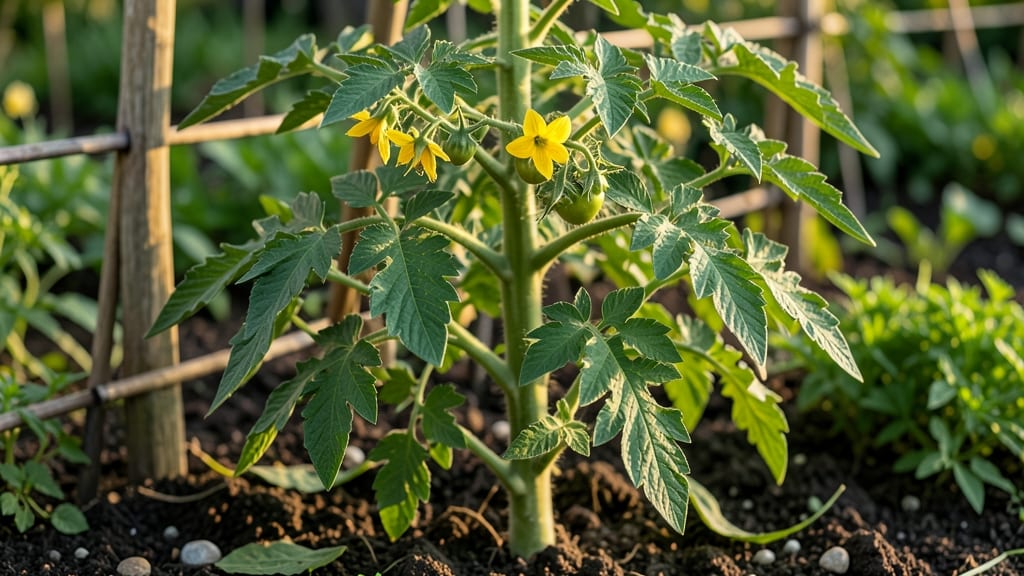
Your tomatoes are about to go from pretty flowers to heavy fruit—if you understand bloom set. ✨ The secret lies in timing, temperature, and a few strategic cuts that turn every blossom into a future tomato.
I've spent years watching plants drop flowers only to learn the exact conditions that guarantee fruit set, and it's simpler than you think.
Bloom set happens when those white flowers transform into tiny green tomatoes, and it needs daytime temps between 65-85°F with cool nights. Too hot? Flowers drop. Too cold?
They fail to set. Pruning plays a role too—removing suckers and old leaves directs energy where it counts, while proper watering keeps roots happy without stressing the plant.
What you end up with is a vine loaded with fruit instead of empty blossoms. The first wave appears 2-3 weeks after proper bloom set, and with consistent care, you'll keep getting new flowers and fruit all season long. No more sad, flower-covered plants wasting their potential.
Works for both early and late plantings, though timing matters—early tomatoes need cooler nights, while late-season plants benefit from heat-tolerant varieties. Let's get those flowers turning into tomatoes!
📚 In This Guide
- What you need
- Instructions
- Tips and common mistakes
- Wrapping up and next steps
What you need
- ● Bypass pruning shears – Sharp, clean, and sterilized (1 pair). Avoid dull tools that crush stems.
- ● Garden gloves – Heavy-duty (1 pair) to protect from thorns and dirt.
- ● Disinfectant (70% isopropyl alcohol or bleach solution) – Small bottle for sterilizing tools between cuts.
- ● Tomato plants – Healthy, indeterminate varieties (e.g., 'Sungold,' 'Beefsteak') aged 4–6 weeks post-transplant.
- ● Support stakes or cages – 6–8 ft tall (1–2 per plant) for vertical growth.
- ● Balanced fertilizer (10-10-10 or 5-5-5) – 1 lb per 100 sq ft of garden bed.
- ● Mulch (straw or shredded leaves) – 2–3 inches thick to retain moisture and suppress weeds.
- ● Pruning saw – For thicker stems (rare in tomatoes but handy for stubborn growth).
- ● Plant tie clips – Soft fabric strips to secure vines to stakes without damage.
- ● Growth regulator (e.g., Bonzi) – Follow label instructions to control excessive suckers.
- ● pH test kit – To ensure soil pH is 6.0–6.8 (tomatoes thrive here!).
- ● Shade cloth (30–50%) – For hot climates to protect flowers from stress during pruning.
Precision pruning for nonstop tomato fruit bearing
Here’s how to trigger that critical bloom set moment—when your tomato plants shift from leafy growth to heavy fruit production.
☀️ Step 1: Wait for the Right Time to Prune
Never prune until your tomato plants have at least 3-4 true leaves and reached 12-18 inches tall. This ensures they’ve built enough energy reserves to recover quickly. The ideal moment is when new flower clusters form—these look like tiny green buds in the leaf axils (where stems meet leaves). Pruning too early stresses young plants, while waiting too long risks losing potential fruit.
Check plants daily after they hit 12 inches. You’ll see the first flower buds as tiny yellow-green bumps—this is your signal. If you prune before this stage, you’ll stunt growth; if you wait too long, you might accidentally remove future flower sites. I like to mark the lowest flower cluster with a small stake so I know exactly where to focus my cuts.
✂️ Step 2: Remove Suckers for Stronger Growth
Suckers are the small shoots that grow in the V-shaped junction between the main stem and a branch. These compete with your plant’s energy, so removing them redirects nutrients to fruit production. Use your fingers or clean pruners to pinch them off at the base—don’t leave a stub, or it’ll regrow. I start with the lowest suckers first, working my way up the plant.
Here’s the thing—don’t overdo it. Leave 1-2 suckers near the top of the plant to encourage bushier growth. If you remove all suckers, your plant will focus on leaves instead of flowers. Watch for new suckers forming every 7-10 days—they’ll appear as tiny pencil-sized shoots. Remove these promptly to keep your plant’s energy flowing to fruit, not foliage.
🌿 Step 3: Prune Lower Leaves for Airflow and Sunlight
Once your plant hits 4-5 feet tall, start removing lower leaves—especially those touching the soil. These leaves block airflow, increasing humidity and inviting disease like blight. Use pruners to cut leaves off at the stem (don’t tear them), and avoid damaging the main stem. Focus on leaves below the first flower cluster, as these won’t contribute much to fruit production anyway.
You’ll know you’re doing it right when sunlight reaches the lower fruit and the plant’s center stays dry. This step is critical for disease prevention—I’ve seen entire tomato plants collapse from blight because I skipped this. After pruning, water at the base to avoid wetting the leaves, which can spread fungal spores. A quick spray with neem oil afterward adds an extra layer of protection.
⏰ Step 4: Adjust Pruning for Determinate vs. Indeterminate Tomatoes
Indeterminate tomatoes (like 'Sungold' or 'Better Boy') keep growing and producing fruit all season. For these, prune suckers continuously and remove leaves below the first flower cluster to keep the plant’s energy focused upward. You’ll see new flower clusters forming every 2-3 weeks—this is your reward for consistent pruning.
Determinate tomatoes (like 'Roma' or 'Celebrity') grow to a fixed size and produce fruit in one big flush. For these, prune minimally—just remove diseased or lower leaves and suckers that compete with main stems. Over-pruning determinates reduces yield, since they’re already programmed to stop growing. Check for fruit set (tiny tomatoes forming) to gauge when to slow down—once you see these, prune only to improve airflow.
🌱 Step 5: Support and Feed for Maximum Fruit Production
After pruning, stake or cage your tomatoes to support the weight of future fruit. I use 6-foot bamboo stakes tied with soft plant clips—this prevents stem damage as the plant grows. Once fruit starts forming, feed with a balanced fertilizer (like 10-10-10) every 2-3 weeks. Look for dark green leaves and vigorous new growth as signs your plant is thriving.
Watch for stress signals like yellowing leaves (often a sign of overwatering or nutrient deficiency) or dropped flowers (usually from temperature swings or lack of pollinators). If flowers drop, gently shake the plant daily to aid pollination. With the right pruning, your tomatoes will keep producing fruit until frost—that’s the payoff for this precision approach.
Tips & tricks for perfect tomato pruning
Here's what nobody tells you about getting those first flower clusters to set fruit—these are the details that separate a decent harvest from a bumper crop.
Timing is Everything: The 12-inch height mark isn't just a suggestion—it's when your tomato plants have developed enough root mass to handle pruning. I learned this the hard way after seeing plants wilt dramatically after early pruning. Wait until you see those tiny yellow-green flower buds in the leaf axils (the V-shaped areas where stems meet leaves) before you start cutting. These buds are your plant's way of saying "I'm ready!" and they'll appear after your plant hits at least 12 inches tall.
Sucker Strategy: Those pencil-sized shoots forming every 7-10 days in the V-shaped junctions are called suckers, and they're energy vampires. Remove them immediately by pinching at the base—don't leave stubs! Start with the lowest suckers first, working your way up the plant. Here's the secret: leave 1-2 suckers near the top to encourage bushier growth. I've seen gardeners remove every single sucker and end up with plants that look like trees but produce almost no fruit—don't make that mistake!
Disease Prevention: In Step 3, when you're removing lower leaves, focus on leaves touching the soil and those below the first flower cluster. These leaves block airflow and create humidity traps that invite blight. After pruning, water at the base only and consider spraying with neem oil as an extra precaution. I've had entire tomato plants collapse from blight because I skipped this step—it's worth the extra 5 minutes to protect your harvest.
Variety-Specific Approach: Indeterminate tomatoes like 'Sungold' need continuous pruning to keep producing fruit all season, while determinate varieties like 'Roma' produce one big flush and need minimal pruning. For indeterminates, focus on removing suckers continuously and leaves below the first flower cluster. For determinates, once you see tiny tomatoes forming, switch to just removing diseased leaves and lower foliage to improve airflow without reducing yield.
Pro Tips for Bloom Set For Tomatoes
- Here's what nobody tells you about getting those first flower clusters to set fruit—these are the details that separate a decent harvest from a bumper crop.
- Timing is Everything: The 12-inch height mark isn't just a suggestion—it's when your tomato plants have developed enough root mass to handle pruning.
- Sucker Strategy: Those pencil-sized shoots forming every 7-10 days in the V-shaped junctions are called suckers, and they're energy vampires.
Frequently asked questions
Got questions about bloom set for tomatoes? You’re not alone! Here are answers to the most common ones to help you master the art of pruning for a bountiful harvest.
What’s the best time of day to prune tomato plants for bloom set?
Prune in the early morning when temperatures are cool (60–75°F). This reduces stress on the plant and minimizes disease risk from open wounds. Avoid pruning in the heat of the day—it can shock the plant and slow recovery.
How often should I prune tomato plants to encourage bloom set?
Prune weekly during the growing season (spring to early summer) to remove suckers and encourage new blooms. For indeterminate tomatoes, focus on maintaining 3–4 main stems. Determinate varieties need less pruning—just remove suckers below the first flower cluster to redirect energy.
What if I miss the bloom set window? Can I still get tomatoes?
Don’t panic! Even if you miss the ideal timing, your plant will still produce fruit—just possibly fewer or smaller tomatoes. Prune aggressively to remove old, non-productive growth and fertilize with a low-nitrogen, high-phosphorus blend to boost flowering. Patience pays off!
Are there alternatives to pruning for bloom set?
Yes! If pruning feels overwhelming, try:
- Pinching suckers (removing them by hand instead of cutting).
- Using plant hormones like bloom boosters (e.g., kelp meal or fish emulsion) to stimulate flowering.
- Adjusting watering—slightly stressing the plant (but not drowning it) can trigger more blooms.
Why are my tomato plants flowering but not setting fruit?
This usually happens due to:
- Temperature extremes (below 55°F or above 90°F).
- Poor pollination (shaky plants or no bees? Gently shake stems or hand-pollinate with a brush).
- Over-fertilizing with nitrogen (focus on phosphorus/potassium for blooms).
Wrapping up and next steps
Mastering the bloom set for tomatoes unlocks a bountiful harvest—just imagine juicy, vine-ripened tomatoes all season long! By pruning with precision and timing, you’ll encourage stronger growth and more fruit.
Now that you’re armed with the right tools, techniques, and tips, it’s time to roll up your sleeves and give it a try.
Start with one plant to perfect your method, then expand as you gain confidence. Happy gardening—your future tomato feasts are blooming brighter than ever! 🌱🍅