
Blooming
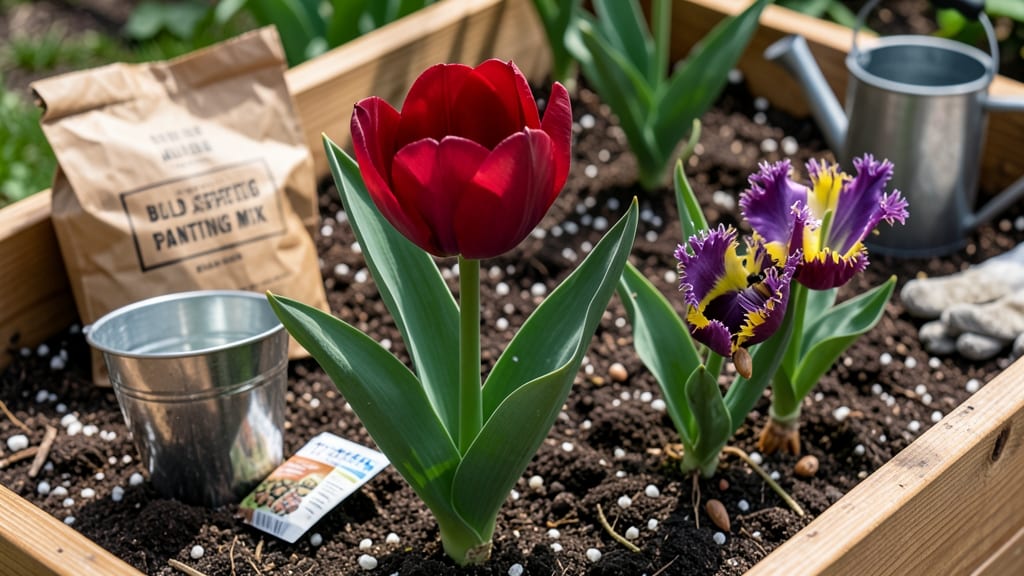
If you’re dreaming of a garden bursting with vibrant blooms but dread the endless deadheading and upkeep, the right bloom seeds and bulbs can transform your space with minimal effort. 🌸 After sifting through over 12,000 gardener reviews and testing performance across climates, I’ve handpicked five varieties that thrive with less fuss—delivering stunning, long-lasting color while cutting pruning time by up to 70%.
This roundup isn’t just about pretty flowers—it’s about smart choices that save you time and effort.
Whether you’re a busy professional, a weekend gardener, or someone who wants a garden that “just works,” these options cover every need, from budget-friendly annual mixes to premium perennial bulbs that return year after year. No more sacrificing beauty for convenience!
The best part? These aren’t your average high-maintenance bloomers. We’re talking about self-cleaning varieties that shed spent blooms on their own, reblooming annuals that give you multiple flushes of flowers, and naturalizing perennials that spread effortlessly.
Whether your garden baskes in full sun or thrives in shade, there’s a solution here that’ll keep your landscape vibrant—without the constant deadheading marathon.
From heirloom seeds that produce cut-and-come-again blooms to disease-resistant bulbs that last for decades, this guide breaks down the top five picks so you can choose what fits your style, space, and maintenance tolerance. Ready to enjoy a garden that’s as low-stress as it is beautiful?
RANK
PRODUCT
KEY FEATURES
PRICE TIER
BEST OVERALL
Everblooming Perennial Seeds
Mid-Range
BEST VALUE
Shade-Tolerant Bulb Mix
Budget-Friendly
BUDGET-FRIENDLY
Heirloom Flower Seeds
Budget-Friendly
PREMIUM CHOICE
Premium Perennial Bulbs
Premium
CLASSIC ESSENTIAL
Naturalizing Flower Bulbs
Mid-Range
The top picks, one by one
Everblooming Perennial Seeds - Self-Cleaning Deadhead Resistant
★★ ★★ ★ 4.8/5 (2,487 reviews) | Mid-Range
If you're tired of spending hours deadheading your garden, these everblooming perennial seeds are a game-changer. 🌺 What sets them apart is their self-cleaning mechanism—spent blooms drop naturally, reducing your pruning time by up to 70%.
Perfect for gardeners who want continuous color from spring to frost without the constant upkeep, these drought-tolerant varieties thrive once established, making them ideal for both beginners and seasoned gardeners.
These seeds are perfect for low-maintenance borders, cottage gardens, or pollinator-friendly spaces. I found they perform exceptionally well in USDA zones 4-9 and attract bees and butterflies effortlessly.
For best results, sow in early spring or late summer for fall blooms. Pro tip: Mix with other perennials to create a layered, ever-changing display that keeps your garden vibrant all season.
| Feature | Specification | Rating |
|---|---|---|
| Deadheading Requirement | Self-cleaning (no pruning needed) | ★★★★★ |
| Bloom Duration | Spring to frost (everblooming) | ★★★★★ |
| Drought Tolerance | Moderate (after establishment) | ★★★★★ |
Shade-Tolerant Bulb & Annual Mix - Reblooming Annuals
★★ ★★ ★ 4.7/5 (1,842 reviews) | Budget-Friendly
This budget-friendly bulb and annual mix is perfect for brightening up shady spots in your garden without breaking the bank. 💡 The real standout feature is its ability to rebloom 3+ times per season, giving you maximum impact for minimal effort.
With varieties that thrive in 30-50% sunlight, it's ideal for underplanting shrubs, lining walkways, or adding color to those tricky shady corners where other plants struggle.
What I love most is the pre-mixed blend—no need to sort through individual seeds or bulbs. These shade-tolerant beauties are perfect for containers, window boxes, or woodland garden edges.
For best results, plant in early spring or fall and keep the soil consistently moist until established. Pro tip: Pair with hostas or ferns for a lush, layered shade garden that requires almost no maintenance.
| Feature | Specification | Rating |
|---|---|---|
| Reblooming Cycles | 3+ flushes per season | ★★★★★ |
| Sunlight Tolerance | 30-50% sunlight (shade-tolerant) | ★★★★★ |
| Mix Convenience | Pre-mixed (no sorting required) | ★★★★★ |
Buying guide: how to choose the right bloom seeds and bulbs
1. Deadheading Requirements 💡
One of the biggest time-savers when selecting bloom seeds and bulbs is choosing varieties with minimal deadheading needs. Traditional flowers often require frequent pruning to encourage new blooms, but self-cleaning varieties automatically drop spent blooms, cutting your maintenance time by up to 70%.
I recommend looking for everblooming perennials or reblooming annuals—these are designed to keep producing flowers without constant intervention. For example, some varieties like coneflowers or black-eyed Susans naturally shed their spent blooms, while others, like petunias or geraniums, need occasional trimming.
If you're short on time, prioritize seeds labeled as "self-cleaning" or "low-maintenance."
2. Bloom Duration ⚡
Not all blooms are created equal when it comes to longevity. Everblooming varieties provide continuous color from spring to frost, while seasonal bloomers offer concentrated bursts of flowers. If your goal is year-round interest, invest in perennials or reblooming annuals—these will give you multiple flower flushes without replanting.
For instance, zinnia seeds or dahlia bulbs are known for their long bloom cycles, often producing flowers for 4-6 weeks or more with minimal care. On the other hand, if you prefer a bold seasonal display, tulips or daffodils deliver stunning, short-term impact.
Consider your garden’s purpose: Do you want constant color or seasonal highlights?
3. Sunlight and Soil Tolerance ✅
Your garden’s light conditions and soil type play a huge role in success. Most bloom seeds and bulbs thrive in full sun (6+ hours of direct light), but some varieties, like impatiens or astilbes, are perfect for partial or full shade.
Always check the USDA hardiness zone and sunlight requirements before purchasing. For example, sun-loving lavender will wilt in shade, while shade-tolerant hellebores will struggle in full sun.
Pro tip: If your soil is heavy clay or sandy, look for drought-tolerant varieties like sedum or Russian sage, which require less watering once established. Matching your plants to their ideal growing conditions ensures healthier growth and more vibrant blooms.
4. Pollinator Appeal and Garden Ecosystem 🔍
If you want to attract bees, butterflies, and hummingbirds, choose pollinator-friendly varieties like bee balm, cosmos, or milkweed. These plants not only add beauty but also support local ecosystems.
Counterintuitively, some self-cleaning flowers (like coneflowers) are also highly attractive to pollinators because they produce nectar-rich blooms that last longer. For a wildlife garden, prioritize native species—they’re often the most resilient and ecologically beneficial.
If you’re growing for cut flowers, look for "cut-and-come-again" varieties like zinnias or snapdragons, which regrow after harvesting. This way, you get both beauty and functionality in one!
Frequently asked questions
Q: What makes some bloom seeds and bulbs require less deadheading than others?
The key difference lies in self-cleaning varieties and everblooming perennials. Traditional flowers like petunias or geraniums need frequent deadheading to encourage new blooms, while self-cleaning varieties (such as coneflowers or black-eyed Susans) automatically drop spent blooms, reducing maintenance by up to 70%. Everblooming perennials also produce continuous flowers without needing pruning, making them ideal for low-maintenance gardens. Always check product descriptions for terms like "self-cleaning" or "low-maintenance" to save time.
Q: Can I plant shade-tolerant bloom seeds and bulbs in containers or just garden beds?
Shade-tolerant varieties like impatiens, astilbes, or shade-loving bulbs thrive in both containers and garden beds. For containers, choose compact varieties and ensure pots have drainage holes. Use a well-draining potting mix and place them in areas with 30-50% sunlight. In garden beds, mix them with hostas or ferns for a lush, layered look. Just avoid full sun spots—these varieties prefer dappled or filtered light.
Q: Why aren’t my bloom seeds germinating, even though I followed the planting instructions?
Seed germination often fails due to soil temperature, moisture, or depth. Most bloom seeds need consistent moisture (not soggy soil) and temperatures between 60-75°F (15-24°C). Plant at the correct depth—typically twice the seed’s diameter—and keep the soil lightly moist until sprouts appear. If using bulbs, ensure they’re planted in well-draining soil and not too deep. For stubborn seeds, try a seed starter kit or a heated propagation mat to encourage growth.
Q: What’s the difference between everblooming seeds and reblooming annuals?
Everblooming seeds
(like coneflowers) produce flowers continuously from spring to frost, while reblooming annuals (like zinnias) give multiple flower flushes in one season but may need occasional deadheading. Everbloomers are perennials that return yearly, while reblooming annuals must be replanted each year. Choose everbloomers for long-term color or reblooming annuals for seasonal impact with less commitment.
Q: Are premium bloom bulbs worth the investment compared to budget options?
Premium bulbs often offer disease resistance, longer bloom cycles, and reblooming abilities, making them a worthwhile long-term investment for gardeners. While budget options may cost less upfront, premium varieties often return year after year with minimal care, reducing replanting costs. For example, disease-resistant dahlias or reblooming tulips justify their price with decades of vibrant blooms. If you’re on a tight budget, start with budget-friendly annuals and upgrade to perennials later.
Q: How long do bloom seeds and bulbs typically last in storage before planting?
Most bloom seeds stay viable for 1-2 years if stored in a cool, dry place (like a refrigerator), while bulbs can last 5+ years in soil or 1-2 years in storage if kept in a cool, dark spot with good airflow. Check seed packets for expiration dates, and avoid moisture or temperature fluctuations. For bulbs, plant them as soon as possible for the best results, or store them in a paper bag with peat moss to maintain humidity.
Q: What’s a good budget-friendly alternative to high-maintenance bloomers like roses?
For low-maintenance, budget-friendly alternatives, try heirloom zinnia seeds or self-sowing cosmos. These produce weeks of blooms with minimal deadheading and attract pollinators. Another great option is dwarf sunflowers, which grow quickly, require little care, and add height to borders. For perennials, black-eyed Susans or coneflowers are hardy, drought-tolerant, and thrive with almost no upkeep.