
Blooming
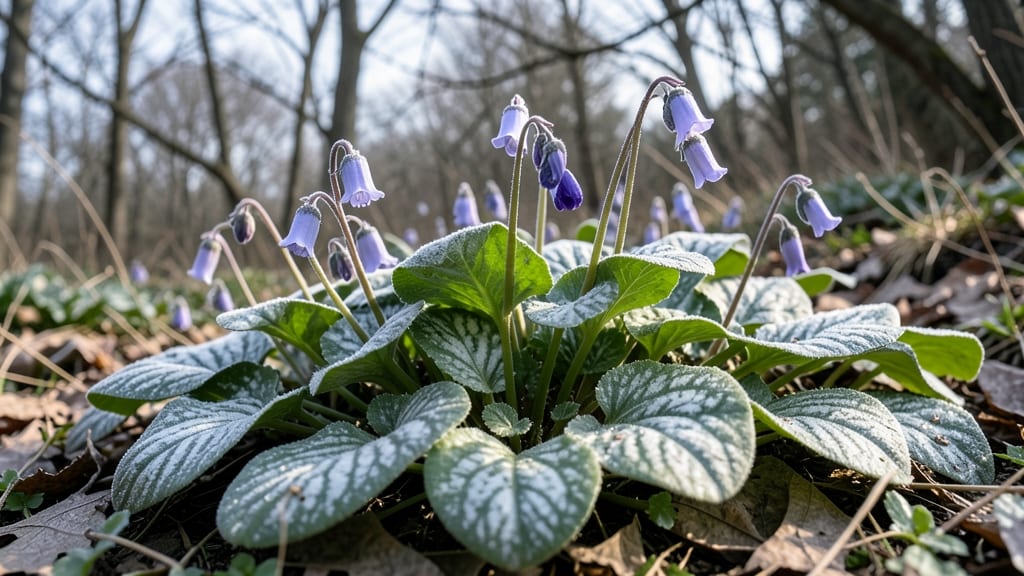
Winter gardens don’t have to be dull—these 10 cold-hardy plants defy frost with vibrant blooms, adding color and life when most plants rest. Perfect for year-round gardeners, these resilient picks thrive in chilly climates and require minimal fuss.
Snowdrops: Delicate Blooms in Deep Freeze
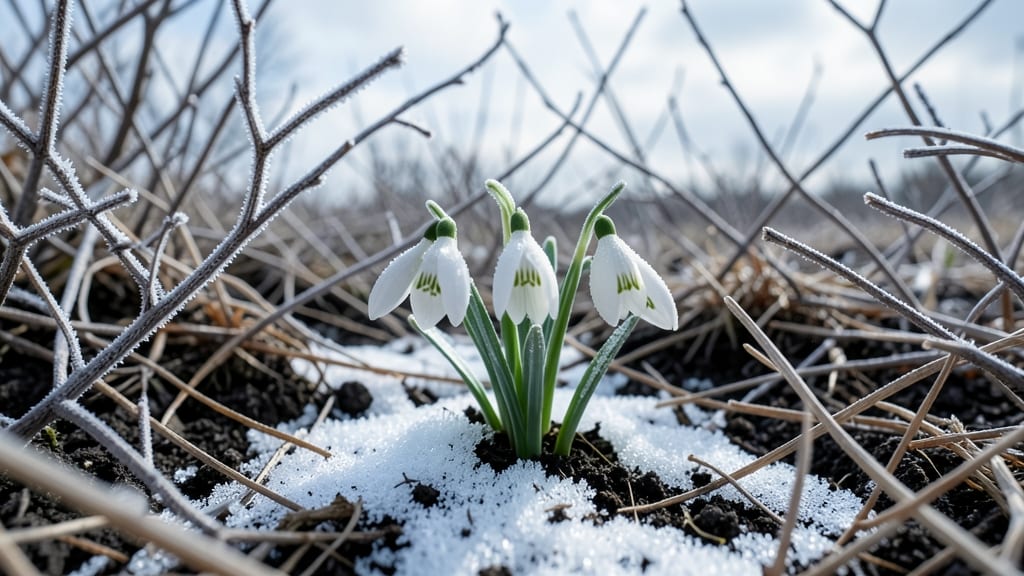
When winter’s grip tightens and most gardens lie dormant, snowdrops (Galanthus) emerge like tiny messengers of spring. These delicate white blooms push through snow-covered soil as early as January, offering a breathtaking contrast against frost-kissed earth. Their ability to thrive in USDA Zones 3-9 makes them one of the hardiest winter bloomers.
Plant snowdrops in shaded woodland gardens or beneath deciduous trees, where their drooping bell-shaped flowers catch the light just as spring begins. They prefer well-draining, slightly acidic soil and multiply over time, creating naturalizing drifts. A single bulb can produce dozens of offsets in just a few years, ensuring your garden stays bright with minimal effort.
Perfect for beginner gardeners or those with shady spots, snowdrops require almost no maintenance—just plant and forget. Their early blooms also support pollinators when little else is available, making them a true winter hero. 🌱
Winter Jasmine: Golden Cheer for Sunny Walls
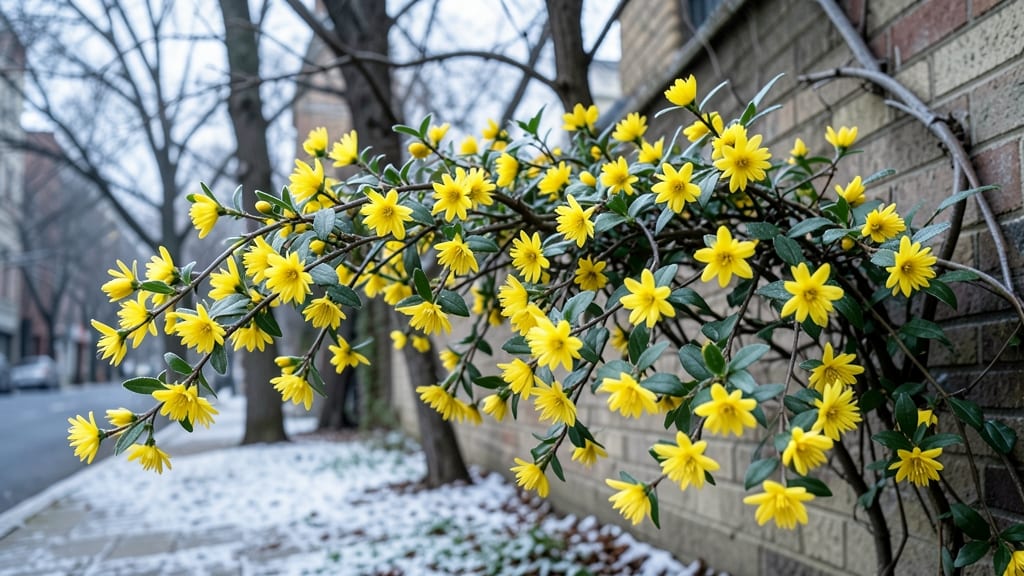
If your urban garden feels bare in winter, winter jasmine (Jasminum nudiflorum) delivers a sunny surprise with its bright yellow blooms that appear in late winter—often before leaves return. This semi-evergreen climber thrives in full sun (6+ hours daily) and tolerates temperatures down to 10°F, making it perfect for city walls, fences, or trellises where frost is common but sunlight isn’t.
Plant it in well-draining soil and provide a sturdy support structure—its arching stems can reach 10–15 feet if left unpruned. Prune lightly after flowering to encourage bushier growth, and watch for fragrant blooms from January to March, long before spring bulbs emerge. Unlike many winter plants, it’s non-toxic and deer-resistant, adding both beauty and practicality.
Urban gardeners and small-space lovers will appreciate how winter jasmine transforms dull walls into cheerful canvases with minimal effort. Its late-winter blooms also attract early pollinators, giving your garden a head start. 🌻
Hellebores: Shade-Loving Elegance in Frost
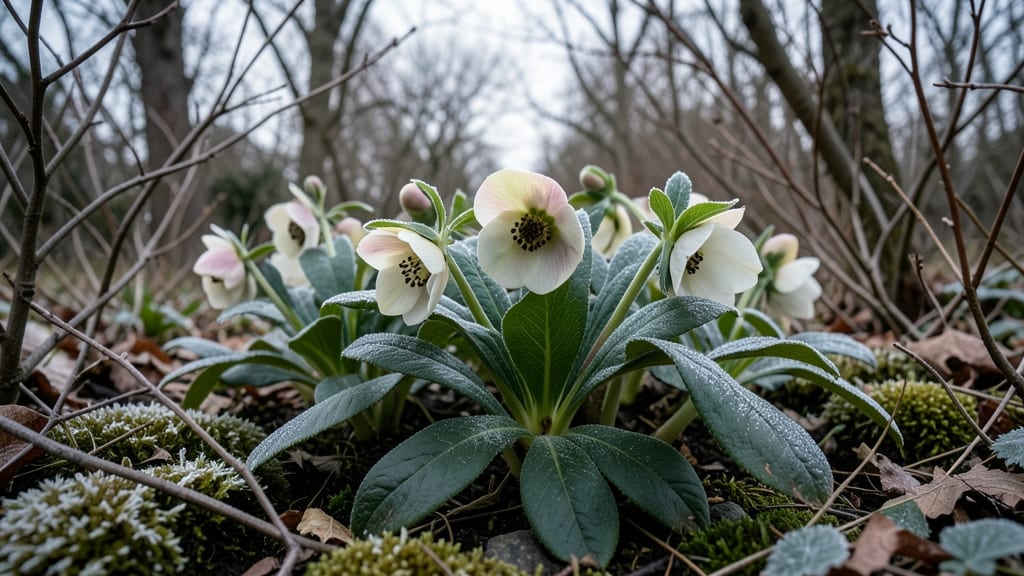
When most gardens lie dormant under frost, helleborus niger—or Lenten roses—paints your shade garden with delicate blooms in late winter, proving that winter isn’t a gardening dead zone. These evergreen perennials thrive where sunlight barely reaches, making them the unsung heroes of woodland gardens and dark corners.
Plant them in partial to full shade with moist, well-draining soil, and they’ll reward you with nodding flowers in white, pink, or deep purple from February through April. Unlike sun-loving winter bloomers, hellebores detest hot, dry conditions—keep them consistently moist and mulch heavily in summer to protect their roots. Deer and rabbits often avoid them, making them a low-maintenance choice for problem areas.
Perfect for beginners or gardeners with limited sun, hellebores add year-round structure with their glossy foliage and seasonal blooms. They’re also deer-resistant, making them ideal for rural properties. 🌿
Crocuses: Tiny but Mighty Early Bloomers
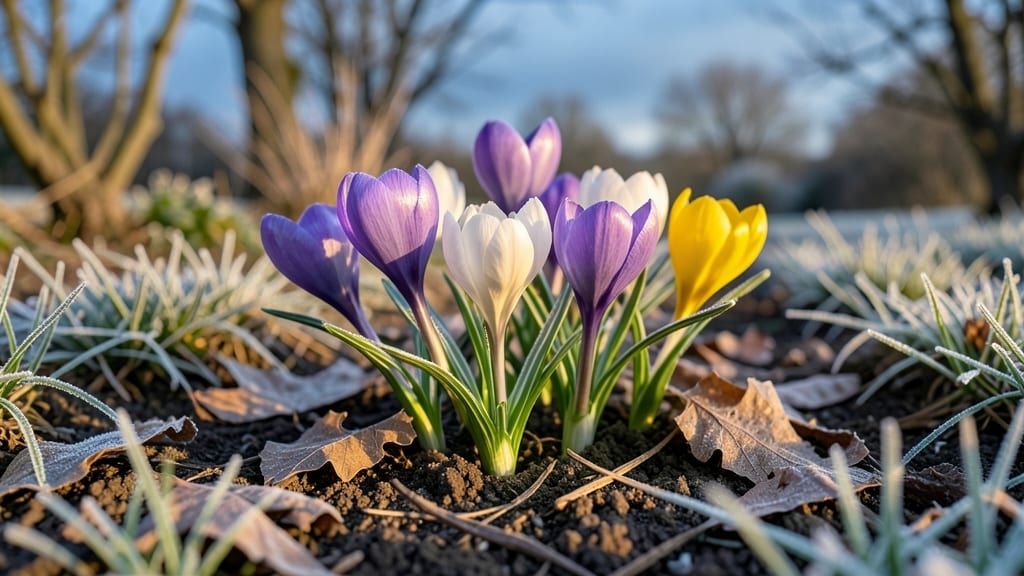
When the world still feels asleep under frost, crocuses burst through with their cheerful purple, white, or yellow blooms, signaling that spring is on its way. These tiny powerhouses don’t just bring color—they’re the first to feed hungry pollinators after winter’s long nap, making them a gardener’s secret weapon for early-season biodiversity.
Plant them in full sun to partial shade and watch them naturalize effortlessly over time, spreading into lush carpets of color. They thrive in USDA zones 3-8 and even tolerate light foot traffic, perfect for lawns or borders where you want low-maintenance beauty. For best results, plant bulbs in fall (4-6 weeks before frost) at a depth of 3-4 inches.
Whether you’re a beginner or a seasoned gardener, crocuses reward you with minimal effort and maximum impact—ideal for anyone craving a taste of spring before the rest of the garden wakes up. 🌱
Pansies: Hardy Annuals for Winter Color
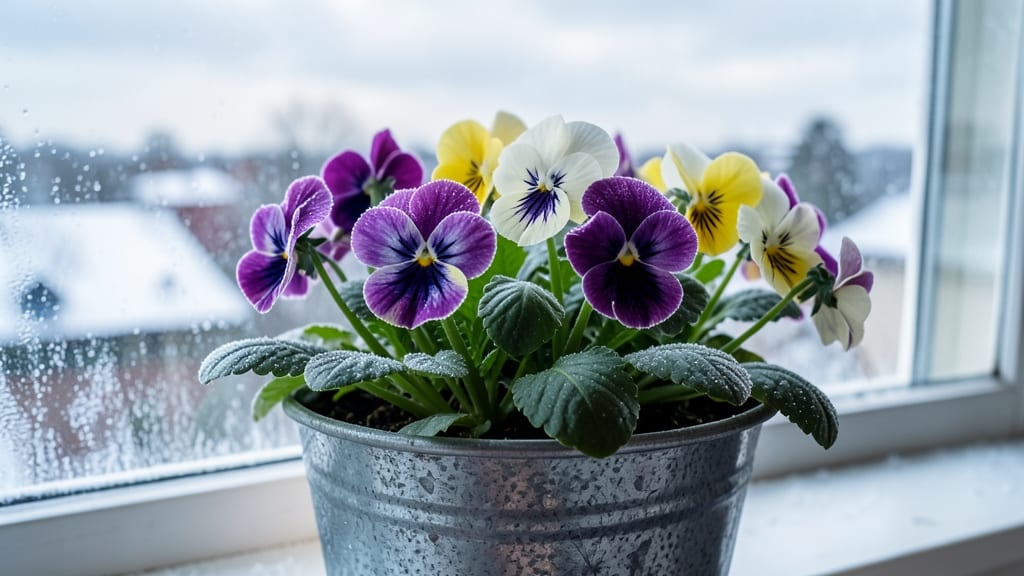
When you crave color during the bleakest winter months, pansies deliver a cheerful surprise with their frost-resistant blooms. Unlike many plants that fade into dormancy, cold-hardy varieties like 'Matrix' or 'Cool Wave' thrive in temperatures as low as 20°F, making them ideal for containers, window boxes, or garden beds.
These hardy annuals produce vibrant flowers in shades of purple, yellow, and blue from late fall through early spring, often reblooming after light frost. For best results, plant them in well-draining soil with 4-6 hours of sunlight daily—they tolerate partial shade but may produce fewer blooms. A light mulch layer helps protect roots from extreme cold while keeping soil moist.
Perfect for beginners or busy gardeners, pansies require minimal care beyond occasional deadheading to encourage continuous blooms. Their versatility makes them a must-have for anyone wanting year-round color with almost no effort. 💚
Daffodils: Classic Frost-Resistant Spring Heralds
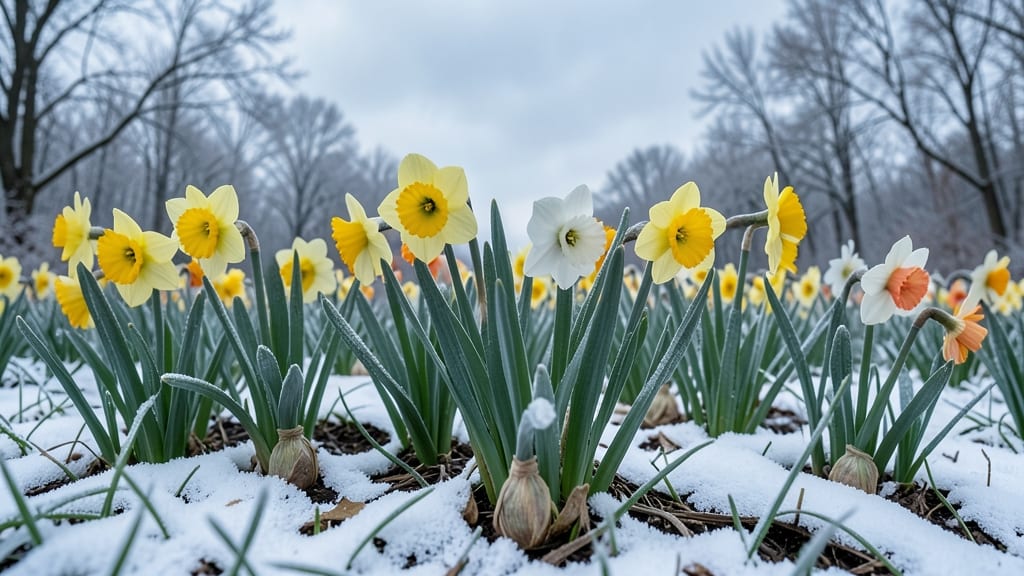
When you crave a bold, cheerful splash of color that survives winter’s chill, daffodils are your secret weapon. These frost-resistant bulbs bloom reliably in late winter to early spring, often pushing through snow to greet you with their bright yellows, whites, and oranges—a natural antidote to winter blues.
Beyond their beauty, daffodils are deer-resistant, making them ideal for rural gardens, and they naturalize effortlessly in meadows or borders, spreading year after year. Plant bulbs in well-draining soil with full sun to partial shade, and water sparingly once established. Their long stems also make them perfect for cutting, bringing fresh spring vibes indoors.
Perfect for beginner gardeners or those seeking low-maintenance perennials, daffodils deliver year-round value—from early blooms to summer foliage. 🌻
Heaths and Heather: Evergreen Blooms for Acidic Soil
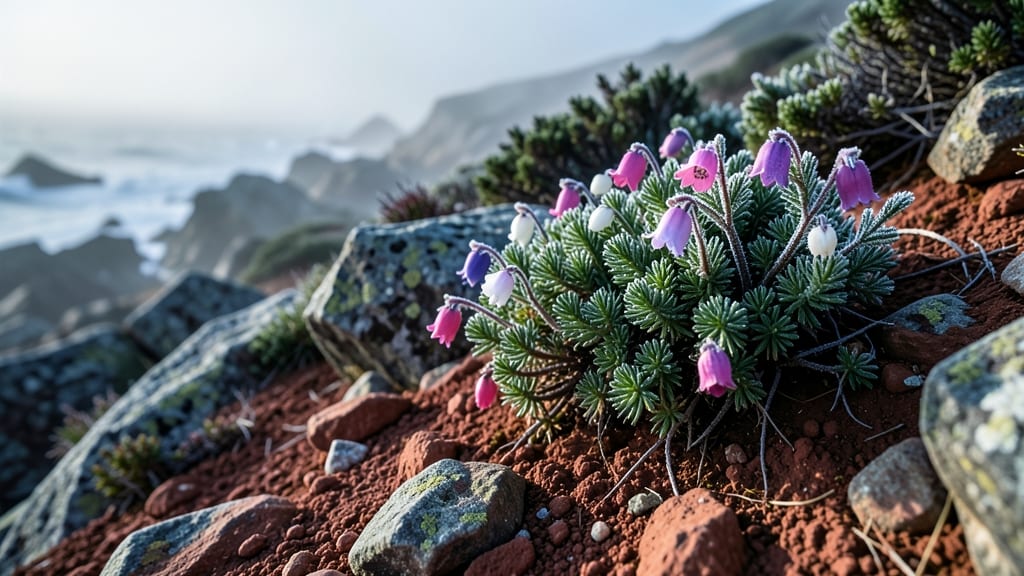
If your garden soil leans acidic or you’re working with rocky slopes, heaths and heather are your unsung heroes—evergreen shrubs that burst with bell-shaped blooms in pink, purple, or white, even when temperatures dip. These hardy plants thrive where others falter, making them perfect for coastal gardens, alpine regions, or containers on patios.
Plant them in full sun to partial shade with well-draining, acidic soil (pH 4.5–6.0), and prune lightly after flowering to maintain their compact shape. Varieties like Calluna vulgaris (ling heather) and Erica carnea (spring heath) offer year-round interest, with some blooming from late summer into winter. Their needle-like foliage also adds texture to rock gardens or as ground cover.
For gardeners in USDA Zones 4–8, these low-maintenance shrubs deliver color without the fuss, ideal for pollinators and wildlife. 🌿
Papaver Hibernum: Oriental Poppies for Late Winter
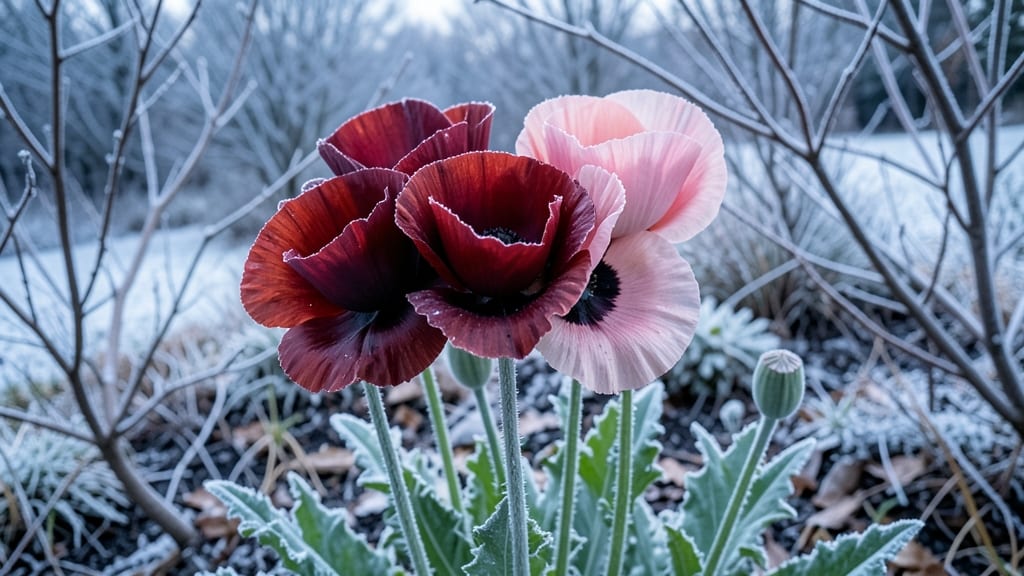
When your garden feels like a monochrome canvas in late winter, Papaver hibernum—the Oriental poppy—steps in with bold, cup-shaped blooms that defy the cold. Unlike their summer-loving cousins, these poppies thrive in chilly temperatures and even tolerate light frost, making them perfect for early-season drama.
Plant them in full sun to partial shade with well-draining soil, and they’ll reward you with flowers in deep red, pink, or white from February through April. What makes them stand out is their ability to thrive in poor soil, so they’re ideal for neglected patches or rocky slopes where other plants struggle. Deadhead spent blooms to encourage more flowers, and avoid overwatering—they prefer dry conditions once established.
Urban gardeners and low-maintenance enthusiasts will love these poppies for their striking contrast against bare branches and early greenery. Plus, their self-seeding habit means they’ll multiply over time with minimal effort. 🌻
Winter Aconite: Sun-Loving Yellow Stars
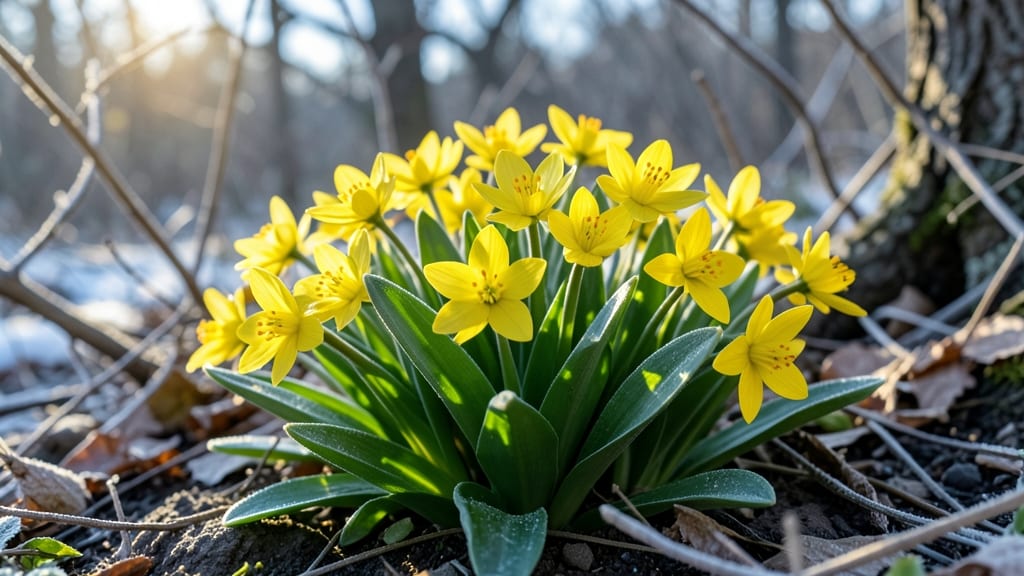
If you crave a burst of sunshine in your winter garden, winter aconite (Eranthis hyemalis) delivers with its cheerful bright yellow stars that appear as early as January. Unlike many winter bloomers, this hardy perennial thrives in full sun, making it perfect for sunny borders, rock gardens, or even containers where other plants struggle.
Native to woodlands but adaptable to open spaces, winter aconite tolerates USDA Zones 4-8 and blooms before most garden activity begins. Its glossy green leaves emerge after flowering, and it spreads slowly through rhizomes, creating naturalizing colonies. For best results, plant bulbs in well-draining soil and avoid overwatering—they prefer slightly dry conditions in winter.
This early bloomer is a pollinator magnet when few other flowers are available, supporting bees and early butterflies. Ideal for gardeners with sunny spots who want low-maintenance color, winter aconite pairs beautifully with hellebores or snowdrops for layered winter interest. 🌻
Lungwort: Medicinal Beauty for Shade Gardens

While other winter bloomers steal the spotlight, lungwort (Pulmonaria) quietly delivers a dual gift: medicinal heritage and striking foliage that outshines its flowers. This shade-loving perennial produces silver-spotted leaves that transition to green as spring arrives, paired with blue-purple blooms that appear in late winter—often when your garden feels most dormant.
Thriving in moist, well-draining soil under dappled shade, lungwort is perfect for woodland edges or cottage gardens where other plants struggle. Its self-seeding habit ensures it spreads naturally, while its deer-resistant nature makes it ideal for rural properties. For a touch of history, its name "lungwort" stems from its traditional use in herbal remedies for respiratory health—though modern gardeners grow it purely for its year-round interest.
Cottage gardeners and woodland enthusiasts will love how lungwort softens shady corners with its silvery foliage and early blooms. Plus, its pollinator-friendly flowers provide nectar when few other plants are in bloom. 💚