
Blooming
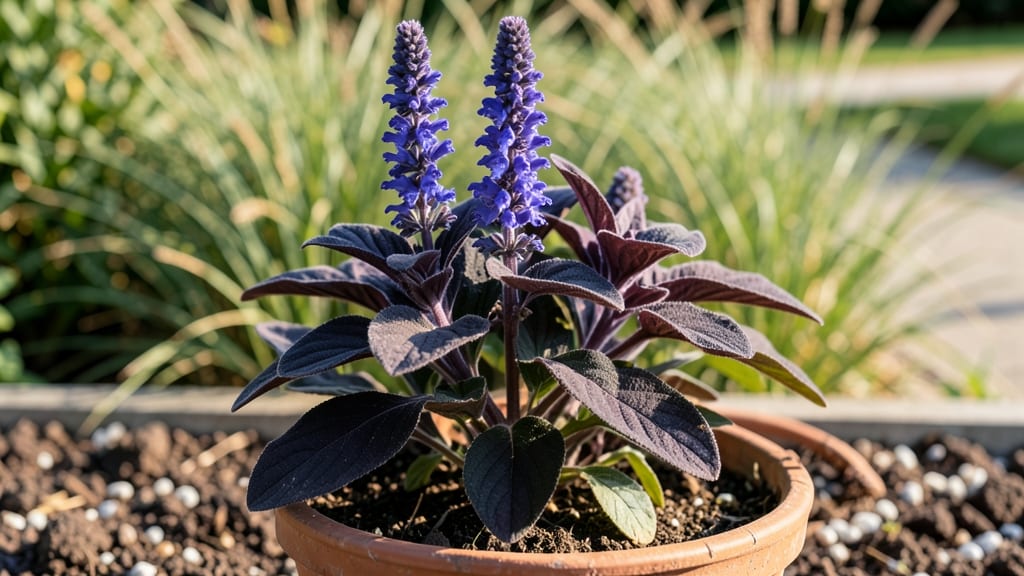
Black and Bloom salvias turn your garden into a heat-activated purple dream. 💜 The moment summer arrives, their dark foliage deepens and velvety spikes of lavender blooms erupt—repeatedly all season long. I planted mine near the patio last year, and by July, they were the star of every photo.
These salvias thrive in full sun, where their foliage stays glossy and their blooms multiply. Pair them with silver foliage plants like lamb’s ear or dusty miller for a striking contrast, or let them anchor a modern border with their bold, architectural shape.
The color combination with purple cleome or black mondo grass creates a dramatic, almost moody look. You’ll love how they rebound after each flush of blooms—no deadheading required. The flowers attract hummingbirds and bees, making them a pollinator magnet while keeping their dramatic presence.
Perfect for cottage gardens, modern landscapes, or even container arrangements. For best results, plant them in well-draining soil and water deeply but infrequently. They’re drought-tolerant once established, so they’ll reward you with low-maintenance drama all summer long.
📚 In This Guide
- What you need
- Instructions
- Tips and common mistakes
- Wrapping up and next steps
What you need
- ● Black and Bloom Salvia plants (1–3 per container or 6–12 per square foot in garden beds)
- ● Well-draining potting mix (6–8 quarts for containers; amend garden soil with perlite/sand if heavy)
- ● Organic fertilizer (balanced 10-10-10 or slow-release granules, 1–2 tbsp per plant)
- ● Drip irrigation or watering can (with a fine rose for gentle watering)
- ● Pruning shears (sharp, sterilized for trimming spent blooms or leggy stems)
- ○ Mulch (optional but recommended) (2–3 inches of shredded bark or gravel to retain moisture)
- ● Gloves (gardening or nitrile for handling prickly stems)
- ● Trowels or hand fork (for transplanting or loosening soil)
- ● Sun hat & sunscreen (for those hot planting days!)
- ● Plant labels (to track varieties if mixing with other salvias)
How to grow black and Bloom salvias for season-long purple spikes
These heat-loving beauties reward patience with dramatic purple blooms—here's how to coax their best performance.
🌱 Step 1: Select the Perfect Planting Location
Black and Bloom Salvias thrive in full sun—at least 6-8 hours daily—but they'll tolerate 4 hours of afternoon shade in hot climates. I always choose the warmest, sunniest spot in my garden because these plants reward heat with more vigorous blooming. The key is avoiding soggy soil; they hate wet feet and will sulk with yellow leaves if planted in low-lying areas.
Amend the soil with 1-2 inches of compost before planting to improve drainage. The roots should never sit in cold, compacted earth. If your native soil is heavy clay, mix in 20% perlite or coarse sand to create a looser texture. You'll know you've got it right when the soil crumbles easily between your fingers.
☀️ Step 2: Plant at the Right Depth and Spacing
Dig a hole just slightly wider than the root ball but no deeper—these salvias prefer to sit at the same depth they grew in their nursery pot. Gently tease out any circling roots to encourage outward growth. Space plants 18-24 inches apart to allow for their mature width; crowding leads to weak stems and fewer blooms.
Water deeply right after planting to settle the soil around the roots. The first few weeks are critical—keep the soil consistently moist but never soggy. You'll see new growth within 2-3 weeks if conditions are ideal. Here's the thing: if you plant too deep, the stems may rot at the base from poor drainage.
💧 Step 3: Water Strategically for Heat-Triggered Blooms
Black and Bloom Salvias are drought-tolerant once established, but they need deep watering once a week during their first growing season. Water at the base of the plant in the morning to allow foliage to dry before evening. Wet leaves overnight invite fungal diseases like powdery mildew, which can defoliate your plants quickly.
When the heat peaks, reduce watering to every 10-14 days unless your area experiences prolonged dry spells. The secret to continuous blooming is letting the top 2-3 inches of soil dry out between waterings. You'll know you're doing it right when the plant starts to wilt slightly in the afternoon heat—this triggers more dramatic reblooming.
✂️ Step 4: Prune for Bushier Growth and Extended Blooms
Deadhead spent blooms regularly by snipping the flower spikes just above a set of healthy leaves. This encourages the plant to produce new blooms instead of setting seed. I always use clean, sharp pruners to avoid tearing the stems. Prune in the morning when the plant is fully hydrated—cutting dry stems can stress the plant.
After the first flush of blooms, give your salvias a light haircut by trimming back the longest stems by one-third. This promotes bushier growth and prevents the plant from becoming leggy. The best time to prune is after a heavy rain when the soil is moist. You'll see fresh new growth within 2-3 weeks—this is your plant's way of rebounding.
🌿 Step 5: Fertilize Lightly for Vibrant Color
Feed your Black and Bloom Salvias with a balanced, slow-release fertilizer (10-10-10) at planting time and again in early summer. These plants don't need heavy feeding—they bloom best when slightly stressed. Over-fertilizing leads to lush foliage but fewer flowers. I always follow the package instructions for application rates.
For a natural boost, top-dress with 1-2 inches of compost in early spring. This improves soil structure and provides micronutrients. You'll notice the difference in 3-4 weeks with deeper green leaves and more abundant blooms. The key is moderation—too much fertilizer burns the roots and sets back growth.
Tips & tricks for perfect black and Bloom salvias
Here's what nobody tells you about keeping these heat-loving beauties thriving all season.
Soil Preparation Secret: Before planting, test your soil's drainage by digging a hole and filling it with water. If it doesn't drain completely within 2 hours, you need more perlite or sand. I've seen salvias drown in heavy clay even when watered properly—they need that loose, airy soil to breathe. The 1-2 inches of compost mentioned in Step 1 isn't just about nutrients; it's about creating that perfect crumbly texture that mimics their natural Mediterranean habitat.
Planting Depth Watch: That "no deeper than the root ball" rule in Step 2 is critical—buried stems rot from poor air circulation. I learned this the hard way when my first batch of salvias developed blackened stems after a heavy rain. Always check the nursery pot's drainage holes to gauge proper depth. You'll know you've got it right when the top of the root ball sits just below soil level, like a proud soldier standing at attention.
Watering Rhythm: The 2-3 inches of dry soil guideline in Step 3 is your golden rule for heat-triggered blooming. Use a screwdriver to check moisture—if it slides in easily, it's time to water. I've found that morning watering (as instructed) prevents fungal issues, but if you must water in the evening, avoid getting leaves wet. The goal is to mimic natural rainfall patterns where these plants evolved—deep soakings followed by dry spells.
Pruning Precision: When giving that one-third haircut in Step 4, focus on the longest stems to maintain the plant's natural shape. I always prune after rain because the moist stems are easier to handle and less likely to tear. The key is to cut just above a leaf node where new growth will emerge. This isn't just about tidiness—it's about encouraging the plant to branch out and produce more blooms.
Pro Tips for Black And Bloom Salvias
- Here's what nobody tells you about keeping these heat-loving beauties thriving all season.
- Soil Preparation Secret: Before planting, test your soil's drainage by digging a hole and filling it with water.
- Planting Depth Watch: That "no deeper than the root ball" rule in Step 2 is critical—buried stems rot from poor air circulation.
Frequently asked questions
Why do my Black and Bloom salvias turn black or wilt in hot weather?
These salvias are heat-triggered, meaning they thrive in intense sun (60°F+ days) but may droop or darken in cooler temps. If leaves turn black, it’s often fungal stress from poor airflow or overwatering. Fix it: Prune for airflow, water at the base, and avoid wetting foliage. They’ll bounce back once temps rise!
How long does it take for Black and Bloom salvias to rebloom after cutting?
With proper care, these salvias are reblooming powerhouses! After a hard cut back (post-first bloom), expect 4–6 weeks for new growth. For continuous blooms, deadhead spent spikes and fertilize lightly with low-phosphorus feed. Pro tip: Mulch with gravel to retain heat at the roots!
Can I grow Black and Bloom salvias in containers? What’s the best pot size?
These salvias love containers but need well-draining soil and 5-gallon pots minimum (bigger = more blooms). Use a mix of cactus/succulent soil + perlite. Drainage holes are non-negotiable! Place pots in full sun (6+ hours) and water only when soil is bone-dry.
What do I do if my Black and Bloom salvias get powdery mildew?
Powdery mildew (white fuzzy coating) thrives in humid, shady conditions. Act fast:
If you want low-water, heat-loving plants with similar drama, try:
Bonus: All three love full sun and hate wet feet!
Are there drought-tolerant alternatives to Black and Bloom salvias?
Plant
Why It’s Great
Anise Hyssop (Agastache)
Drought-proof, pollinator magnet, purple blooms.
Lantana
Thrives in heat, no deadheading needed, colorful clusters.
Mexican Bush Sage (Salvia leucantha)
Velvety blooms, zero fuss, deer-resistant.
Wrapping up and next steps
Black and Bloom Salvias are a gardener’s dream—vibrant, resilient, and endlessly rewarding. Their heat-triggered blooms and ability to rebound all season make them perfect for adding drama and color to any landscape.
Whether you’re a seasoned gardener or just starting out, these plants offer low-maintenance beauty with high impact.
Ready to transform your garden? Start by choosing your favorite variety—then grab your gloves and get planting! 🌸 With the right care, you’ll be rewarded with stunning purple spikes that keep coming back for more.