
Blooming
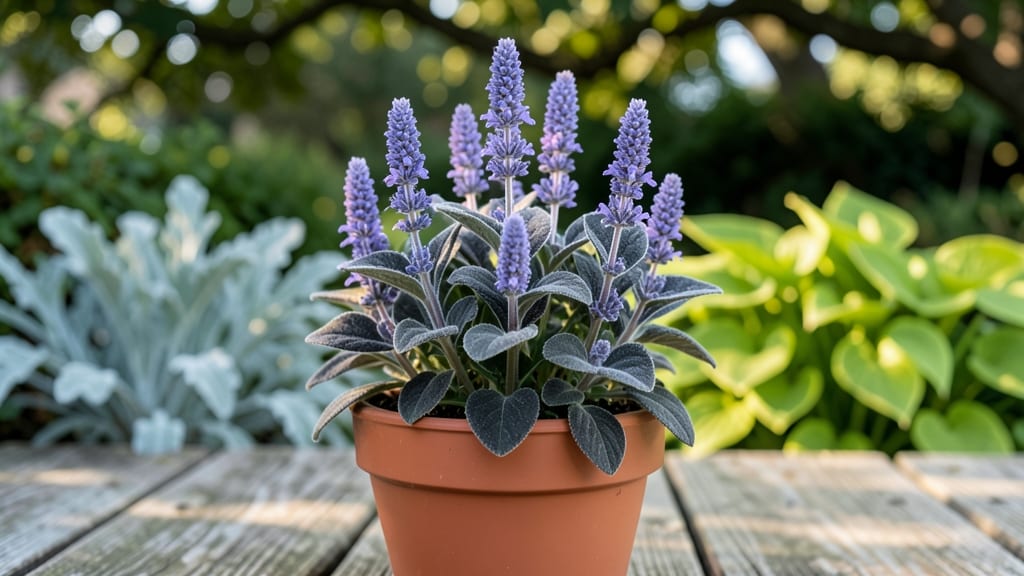
Black and Bloom Sage transforms any garden into a moody purple masterpiece with almost no effort. 💜 The deep black-purple foliage and striking lavender flower spikes create drama—whether you're designing a cottage garden, a modern border, or a pollinator haven.
This sage doesn’t just survive winter; it thrives, adding year-round structure and color to your landscape.
The secret to its design appeal lies in its versatility. Use it as a bold contrast against silvery foliage like lamb’s ear or chartreuse plants like lemon thyme. In containers, pair it with white flowers for a striking two-tone effect.
Its upright growth habit makes it perfect for vertical accents, too—plant it along fences or in mixed borders where its dark foliage grounds brighter blooms.
You’ll love how it draws the eye with its velvety black leaves and delicate spikes of purple flowers. The contrast alone makes it a showstopper—whether you're creating a themed herb garden or a low-maintenance border. It’s the plant that works hard while looking effortlessly stylish, all season long.
For maximum impact, group it with other dark-leaved plants like 'Black Lace' elderberry or 'Purple Smoke' bush beans. The combination creates a rich, monochromatic backdrop that makes lighter blooms pop. Even in winter, its structure adds interest when other plants fade.
📚 In This Guide
- What you need
- Instructions
- Tips and common mistakes
- Wrapping up and next steps
What you need
- ● Black and Bloom Sage Plant: 1 mature plant (6-12 inches tall) or 3-5 young cuttings (rooted or ready to propagate). Look for healthy foliage with deep purple-black stems and vibrant purple flower spikes.
- ● Well-Draining Potting Mix: 1 bag (5-10 gallons) of cactus or succulent mix (or amend regular potting soil with perlite/coarse sand for drainage). Black and Bloom Sage hates soggy roots!
- ● Container or Garden Bed: For containers: 1-2 pots (12-18 inches wide) with drainage holes. Terracotta or fabric pots work best.
- ● For gardens: Full sun exposure (6+ hours/day) in a spot with well-draining soil (amend with sand or gravel if needed).
- ● Pruning Shears: 1 pair of clean, sharp shears (sterilized with rubbing alcohol).
- ● Watering Can or Hose with Gentle Nozzle: For precise hydration—avoid overhead watering!
- ○ Gloves: Gardening gloves (optional but helpful for handling prickly stems).
- ● Slow-Release Fertilizer: 1 packet of balanced, low-nitrogen fertilizer (e.g., 10-10-10 or a succulent-specific blend). Apply sparingly once in spring.
- ● Mulch: 1 bag of gravelfine mulch or pebbles (to retain moisture and deter weeds).
- ○ Plant Support (Optional): Small stakes or rings (if your sage grows tall and leggy in containers).
- ● Spray Bottle: For misting leaves during extreme heat (though this sage is drought-tolerant!).
Step-by-step instructions for growing black and bloom sage
This hardy variety thrives with almost no fuss—just follow these simple steps for lush purple blooms all year.
🌱 Step 1: Choose the Right Location and Soil
Black and Bloom Sage loves full sun—at least 6 hours daily—but tolerates partial shade in hot climates. I place mine in a spot with morning sun and afternoon shade to prevent leaf scorch. The soil should drain well because soggy roots cause root rot, and this sage won’t tolerate it.
Amend heavy soil with 1-2 inches of coarse sand or perlite to improve drainage. A slightly alkaline soil (pH 6.5-7.5) works best, but it’s not critical—this sage is forgiving. If your soil is acidic, mix in a handful of crushed limestone to raise the pH slightly.
☀️ Step 2: Plant at the Right Time and Depth
Plant in early spring after the last frost or in fall for a head start. Dig a hole twice as wide as the root ball but only as deep as the container it came in. Planting too deep suffocates the roots, while too shallow causes instability.
Gently remove the plant from its container, loosen the roots if they’re circling, and place it in the hole. Backfill with soil, pressing lightly to eliminate air pockets. Water deeply right after planting to settle the soil around the roots. You’ll know it’s right when the soil surface looks slightly firm but not compacted.
💧 Step 3: Water Deeply but Infrequently
Black and Bloom Sage is drought-tolerant once established, so water deeply every 7-10 days during the first growing season. You’ll know it’s time when the top 2 inches of soil feel dry to the touch. Overwatering is the biggest mistake—it causes root rot and weakens the plant.
After the first year, reduce watering to once every 2-3 weeks unless your area experiences extreme heat or drought. The deep purple spikes signal the plant is thriving, while yellowing leaves mean it’s either underwatered or overwatered. Adjust accordingly.
✂️ Step 4: Prune for Bushier Growth and More Blooms
Prune in early spring before new growth begins. Cut back one-third of the plant to encourage bushier growth and more abundant blooms. Use clean, sharp pruners to make 45-degree cuts just above a leaf node or set of leaves. This prevents deadheading and promotes new growth.
Deadhead spent blooms throughout the season to encourage more flowers. Simply pinch off the faded spikes with your fingers or snip them with pruners. Avoid heavy pruning in late summer—it removes next year’s flower buds. If the plant looks leggy, trim the longest stems to maintain a compact shape.
🌿 Step 5: Protect and Maintain Year-Round
In winter, protect young plants with a 2-3 inch layer of mulch to insulate the roots from freezing temperatures. Older plants usually handle winter well, but a light mulch helps in colder climates. Avoid piling mulch against the stems—it can cause rot.
Fertilize lightly in early spring with a balanced, slow-release fertilizer (10-10-10). Too much nitrogen promotes leafy growth at the expense of flowers. I skip fertilizer in the second year unless the plant looks weak. Black and Bloom Sage is low-maintenance—just prune, water occasionally, and enjoy the stunning purple spikes!
Tips & tricks for perfect black and bloom sage
This hardy sage variety is practically foolproof, but these little details will help you coax out those showstopping purple blooms with even less effort.
Location and Soil Secrets: If your yard gets intense afternoon sun, I've found that positioning your sage where it gets morning sun and afternoon shade prevents leaf scorch while still giving it those crucial 6 hours of sunlight. For containers, choose ones with drainage holes—this sage absolutely refuses to tolerate soggy roots. The 1-2 inches of sand or perlite you add to heavy soil isn't just for show; it's what prevents that dreaded root rot by keeping the soil loose and airy.
Planting Precision: The "twice as wide" hole measurement is more important than you might think. It gives those roots room to spread out naturally without getting cramped. When you're pressing down that backfill soil, imagine you're giving the plant a gentle hug—not a stranglehold. The soil should settle just enough to eliminate air pockets but still feel slightly firm when you press it. Too much compaction smothers roots.
Watering Wisdom: That "top 2 inches dry" test is your golden rule—stick your finger in the soil and feel for yourself. I've learned the hard way that relying on a schedule rather than soil moisture leads to either underwatered plants or that dreaded root rot. Once established, the sage's drought tolerance becomes its superpower, but don't assume it's completely carefree—those purple spikes will tell you when it's thirsty.
Pruning Payoff: The one-third cutback in early spring might seem drastic, but trust me—it's what transforms your sage from a straggly plant into a bushy, blooming beauty. Those 45-degree cuts aren't just for looks; they create a larger surface area for new growth to emerge from. And when you're deadheading, pinch those spent blooms off at the base rather than cutting the stem—it encourages more flowers to form at the base of the plant.
Pro Tips for Black And Bloom Sage
- This hardy sage variety is practically foolproof, but these little details will help you coax out those showstopping purple blooms with even less effort.
- For containers, choose ones with drainage holes—this sage absolutely refuses to tolerate soggy roots.
- Planting Precision: The "twice as wide" hole measurement is more important than you might think.
Frequently asked questions
Can Black and Bloom Sage grow in containers, or does it need a garden bed?
This sage thrives in containers—just use a pot at least 12 inches wide with drainage holes. Ensure it gets full sun (6+ hours daily) and well-draining soil. Containers dry out faster, so water when the top inch of soil feels dry. Pro tip: Add a layer of gravel at the bottom to prevent root rot.
How often should I fertilize Black and Bloom Sage?
Lightly! Over-fertilizing can harm it. Use a balanced, slow-release fertilizer (like 10-10-10) once in early spring and avoid feeding after mid-summer. This sage prefers lean soil—too much fertilizer can reduce flowering. Pro tip: A handful of compost in spring is often enough!
Why aren’t my Black and Bloom Sage leaves turning purple like they should?
Purple foliage fades in hot, humid conditions or if the plant gets too much water. Ensure it’s in full sun and well-draining soil. Prune leggy growth to encourage bushier, darker foliage. If the color stays dull, it might need more sunlight or less frequent watering.
Can I propagate Black and Bloom Sage from cuttings?
Yes! Take 4-6 inch cuttings from healthy stems in early summer. Remove lower leaves, dip in rooting hormone, and plant in moist sand or perlite. Keep the soil lightly damp and place in bright, indirect light. Roots should form in 4-6 weeks.
Is Black and Bloom Sage deer-resistant?
Generally, yes! Deer usually avoid sage due to its strong scent and woody texture. However, in extreme hunger situations, they might nibble. For extra protection, plant it near deer-deterrent companions like lavender or rosemary.
Wrapping up and next steps
Black and Bloom Sage is a standout choice for gardeners seeking low-maintenance, vibrant beauty—its striking purple blooms and silvery foliage thrive with minimal fuss while adding year-round interest. Whether you’re a seasoned gardener or just starting, this hardy plant proves that stunning results don’t require constant effort.
Ready to transform your space? Plant one today—or better yet, share the love by gifting it to a fellow plant enthusiast! 🌿✨ Your garden (and future blooms) will thank you.