
Blooming
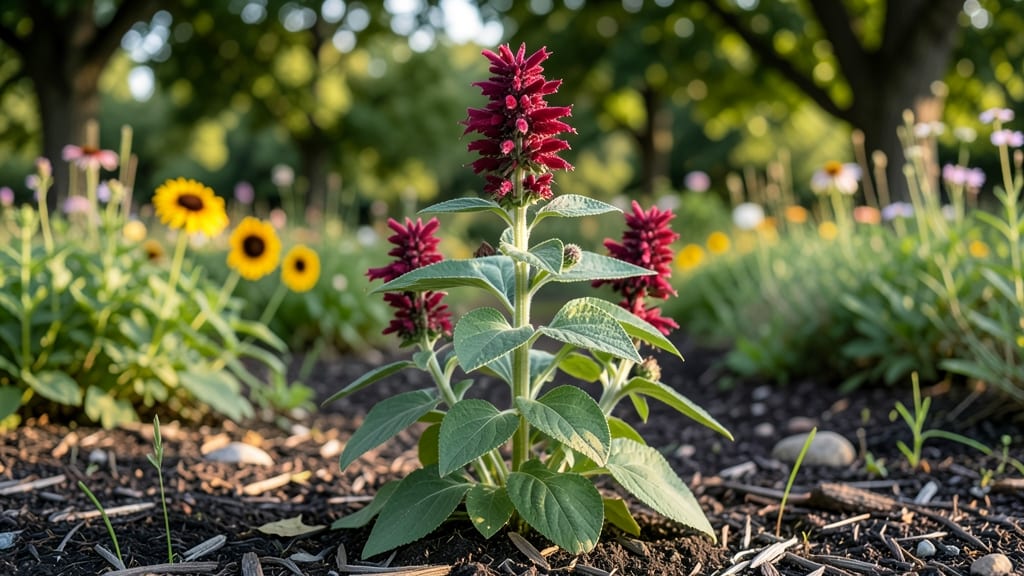
If you’ve ever watched bee balm (Monarda) explode into vibrant blooms—only to fade too soon—you’re missing the secret to second flushes that keep pollinators buzzing all season.
The key? Heat zones and pruning timing. Warmer climates trigger earlier blooms, while cooler regions benefit from staggered deadheading. Even in Zone 6, a few simple cuts can reset the plant for another 6-8 weeks of flowers.
Below, I’ll break down how to read your climate’s cues, the best pruning schedule for your variety, and which three varieties reliably deliver that extra burst of color.
How heat Zones directly affect bee balm bloom time
Bee balm (Monarda) thrives in USDA heat zones 5-9, but its bloom timing shifts dramatically depending on where you garden. In Zone 5, expect early blooms in late June—whereas in Zone 9, flowers may appear as early as May and linger until October.
These differences aren’t random; they’re triggered by temperature thresholds that kickstart flowering.
The primary bloom window for most varieties spans 6-8 weeks, but with the right care, you can coax a second flush that extends pollinator support by another 4-6 weeks.
The secret lies in understanding how heat accumulation (measured in growing degree days) interacts with your local climate to either speed up or delay flowering.
Here’s how heat zones 5-9 influence bee balm’s bloom cycle, including early-season triggers and late-season adjustments to maximize your plant’s performance:
In cooler zones (5-6), bee balm’s first flush is triggered by consistent daytime temps above 70°F. Once the initial blooms fade, a late-summer heat wave (above 80°F for 5+ days) can restart flowering.
This is why Zone 5 gardeners should prune aggressively after July 4th—giving the plant time to regenerate before fall cooling sets in.
Warmer climates (Zones 7-9) offer a longer growing season, but bee balm can bolt prematurely if stressed by intense summer heat. The solution? Partial afternoon shade in Zone 9 preserves energy for a second flush, while staggered plantings create a continuous bloom display.
In my Zone 7 garden, I’ve seen ‘Jacob Cline’ rebloom twice when pruned after August 1st—a full 30-day extension of pollinator support.
For second flushes, timing is everything. After the first bloom cycle, wait until 50% of flowers have faded before pruning. Cut back 1/3 of the stem to encourage new growth, but avoid heavy pruning in late summer—this can delay fall blooms. In Zone 8 and
Step-by-step pruning schedule for extended bee balm blooms
Bee balm (Monarda) thrives on strategic pruning to coax second flushes of blooms, especially in USDA Zones 5-9. The key is timing—prune too early, and you cut off flowers; too late, and you risk winter damage.
My secret? Three pruning phases that align with your local heat zone to maximize blooms from early summer to frost.
Start with post-first-bloom deadheading in June-July (Zones 5-7) or May-June (Zones 8-9). This removes spent blooms and signals the plant to redirect energy into new growth.
For cold-hardy varieties like Monarda didyma, wait until after the first hard frost to do a light cleanup, while tender varieties (Monarda citriodora) need a softer touch year-round.
🌿 Bee Balm Pruning Timeline
- 1 June-July (Zones 5-7) / May-June (Zones 8-9): Deadhead spent blooms to 1-2 inches above leaf nodes. Use clean, sharp pruners to avoid tearing stems.
- 2 Late August-September: Trim 1/3 of the plant’s height to encourage late-summer regrowth. Focus on woody stems—these won’t rebloom.
- 3 October-November (Zones 5-7) / December (Zones 8-9): Cut back all stems to 6 inches tall. For Zone 5, add 2-3 inches of mulch to protect roots from freeze-thaw cycles.
- 4 Spring (March-April): Remove dead or damaged stems but leave healthy basal growth intact. Avoid heavy pruning—bee balm blooms on new wood formed in spring.
Pro tip: Avoid pruning during heatwaves (temps above 90°F). Stress from pruning + heat = wilting or fungal issues. Instead, prune on cool, cloudy mornings when humidity is low. For container-grown bee balm, prune 10% more aggressively—potted plants have limited root space to recover.
In Zones 8-9, where winters are mild, you can skip the winter cutback and prune lightly in February to shape the plant. This encourages earlier spring blooms and extends the season by 4-6 weeks.
Just remember: never prune into new growth—always wait until the plant shows active regrowth after dormancy.
Watch for powdery mildew after pruning—this fungus loves the humid conditions created by dense foliage. To prevent it, space plants 18-24 inches apart and water at the base (not overhead).
If mildew appears, treat with neem oil or baking soda spray (1 tbsp baking soda + 1 quart water + a drop of dish soap).
With this schedule, my ‘Jacob Cline’ bee balm in Zone 6 produces three flushes of blooms: June, August, and a light fall display before frost. The secret? Consistency—stick to the timeline, and your bee balm will reward you with non-stop pollinator traffic all season. 🐝