
Flowers
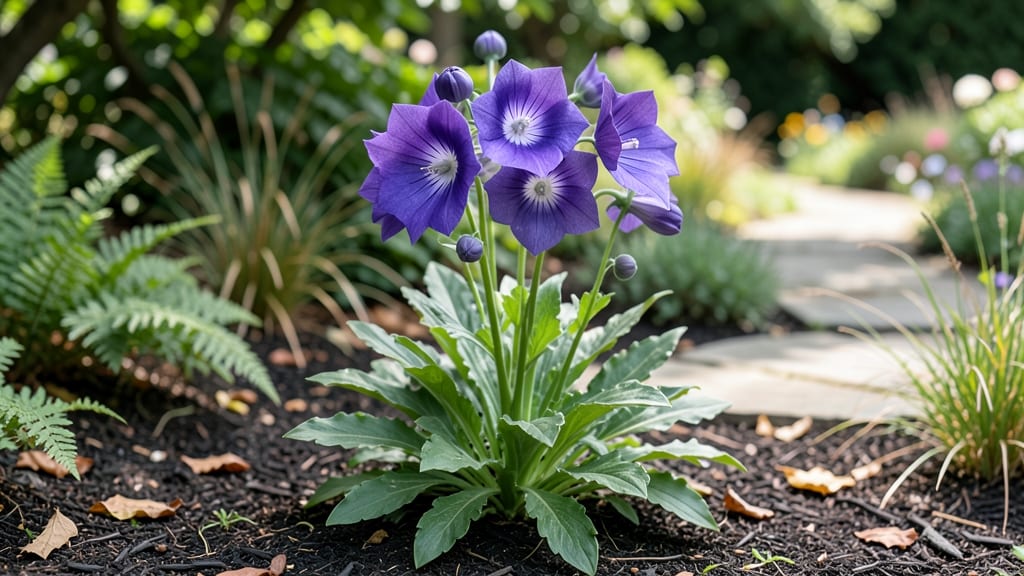
Balloon flower bloom time depends on heat cues and your planting zone — and missing the window can leave you staring at buds that never open.
If you’ve ever wondered why your 🌸 Balloon Flower blooms at different times—and whether heat or your planting zone controls the timing—you’re not alone. These striking perennials follow a precise heat-triggered schedule, and understanding their stages can mean the difference between a showstopping garden and a season of disappointment.
In USDA Zone 6a, like where many gardeners plant them in April–May, blooms typically arrive in July and last through September. But cooler zones push timing earlier, while warmer climates may trigger a second flush later in the year.
Here’s how to read your plant’s signals, adjust for your zone, and even coax extra blooms—so you’re never left wondering why your Balloon Flower is holding back.
Heat-triggered bloom stages of balloon flowers by variety
Balloon flowers (Platycodon grandiflorus) are fascinating because their blooming cycles are directly tied to temperature shifts. Unlike many perennials, they respond to heat thresholds—typically between 50°F and 85°F—to trigger their stunning bell-shaped flowers.
Understanding these stages helps you predict when your garden will burst with color, whether you're growing 'Astra Blue', 'Hidcote Blue', or 'White Balloon' varieties.
Each variety has its own temperature sensitivity and bloom timing, influenced by how quickly they adapt to rising soil and air temperatures. For example, 'Astra Blue' often blooms earlier in the season, while 'Hidcote Blue' may wait for warmer conditions.
This heat-triggered response explains why some years your balloon flowers bloom weeks earlier or later than expected.
🌱
Early-season bloomers like 'Astra Blue' kick off the show when soil temperatures hit 50–65°F, often in late May. These varieties are perfect for cooler climates (USDA Zones 3–6) and may even produce a second flush if deadheaded before July's heat peaks.
Their blue petals contrast beautifully with spring bulbs like daffodils.
Mid-season varieties such as 'Hidcote Blue' thrive when temperatures climb to 60–75°F, typically blooming in June and July. This variety is ideal for border gardens because its compact 18-inch height fits neatly between taller perennials and ground covers.
The key to encouraging its blooms is ensuring consistent moisture during dry spells.
🌿
Late-season varieties like 'White Balloon' shine when temperatures reach 65–80°F, often extending the bloom period into August. These flowers are heat-lovers and may even rebloom if you remove spent blooms regularly. Pair them with black-eyed Susans or coneflowers to create a long-lasting summer display.
Temperature isn’t the only factor—soil conditions and light exposure also play roles. For example, 'Blue Boy', which blooms from June to September, needs full sun to trigger its heat-loving genes. Plant it in a south-facing bed where it can soak up 6+ hours of sunlight daily.
If you notice your balloon flowers skipping blooms, check for these common issues: overcrowding, poor drainage, or excessive nitrogen in the soil. A light feeding with 5-10-10 fertilizer in early spring can jumpstart blooming, while deadheading spent flowers encourages a second
USDA Zone-specific bloom timing: when to expect flowers
Your balloon flower (Platycodon grandiflorus) bloom time depends heavily on your USDA zone, with cooler climates triggering earlier blooms while warmer zones may see fall reblooms.
In Zone 4, expect first flowers in late May, while Zone 8 gardens often enjoy a second flush in September. These differences occur because balloon flowers respond to soil temperature cues rather than just air temperature.
Understanding your zone helps you plan for continuous color. For example, Zone 5 gardeners typically see blooms from June to August, while Zone 9 may experience staggered blooming from April through October. The key is recognizing that heat triggers bud formation, but consistent moisture keeps blooms vibrant.
In Zone 4, where winters are harsh, balloon flowers typically bloom just once per year in late spring. The cold snap in March breaks dormancy, and by late May, you'll see those iconic balloon-shaped buds opening.
Meanwhile, Zone 8 gardeners often enjoy two bloom cycles: the first in May and a second, smaller flush in fall after summer rains.
For Zone 5-6, the bloom window stretches from June to August, making them perfect for summer-long color. In these zones, soil warming in May triggers bud formation, while consistent moisture levels prevent buds from dropping.
If your Zone 6 garden stays too dry in July, blooms may shorten by 2-3 weeks.
Warmer climates like Zone 9-10 offer the longest bloom windows, from April through October. Here, balloon flowers may even rebloom after deadheading if given regular water and partial shade during peak summer heat. The key is to mulch heavily to retain soil moisture and prevent heat stress.
To maximize blooms, plant in full sun and avoid heavy fertilizing once buds form. Over-fertilizing shifts energy to leaves rather than flowers. Instead, focus on consistent watering and light pruning after the first flush to encourage reblooming in warmer zones.