
Blooming
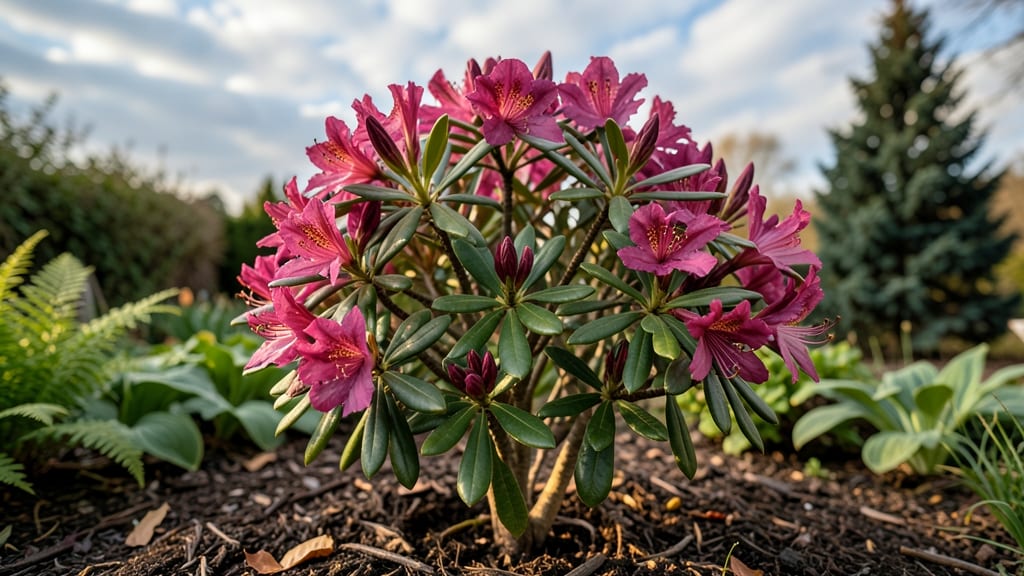
Your azalea bloom time depends entirely on the variety you grow—some burst into color in late April, while others wait until May or June, and a few even bloom in fall. 🌸 I learned this the hard way when my first azalea sat dormant while my neighbor’s exploded with flowers.
The secret lies in knowing which types thrive in your zone and how to coax them into peak performance.
Spring-blooming azaleas (like Knock Out or Hino Crimson) typically need chilly winters to set buds, while fall varieties (such as Enchantment) prefer warm summers. Your local climate zone shifts bloom windows by weeks—cooler zones see earlier flowers, while hotter areas may delay them until late spring.
The right care (water, pruning, and soil pH) can push blooms by 2-3 weeks earlier.
Imagine your yard transformed with vibrant purple spikes or deep red clusters, all while hummingbirds hover nearby. With the right variety and timing, azaleas can bloom twice a year—once in spring and again in fall.
The key? Prune after flowering, feed in early spring, and watch for signs of stress (yellow leaves or sparse buds).
Whether you’re in Zone 5 or 9, this guide breaks down the best varieties for your area and how to extend their bloom season. No more guessing—just stunning, reliable flowers year after year.
📚 In This Guide
- What you need
- Instructions
- Tips and common mistakes
- Wrapping up and next steps
What you need
- ● Azalea plants: Choose Rhododendron varieties suited to your USDA Hardiness Zone (e.g., Rhododendron indicum for Zones 7-9, Rhododendron prinophyllum for Zones 4-8). 💡 Pro Tip: Opt for container-grown plants for easier transplanting!
- ● Well-draining acidic soil: Aim for a pH of 4.5–6.0 (test kits available at garden centers). Mix in 1–2 inches of peat moss or pine bark per cubic yard of soil.
- ● Organic mulch: 3–4 inches of pine straw or pine bark to retain moisture and acidity.
- ● Slow-release fertilizer: Use a balanced, acidic fertilizer (e.g., 10-10-10 or 8-3-9) labeled for azaleas/rhododendrons.
- ● Watering can or hose with a gentle spray nozzle: Azaleas hate soggy roots—avoid overhead watering.
- ● Garden trowel or shovel (for planting/transplanting).
- ● Pruning shears (sterilized with rubbing alcohol).
- ○ pH testing kit (optional but recommended for precision).
- ○ Drip irrigation system or soaker hose (optional for automated watering).
- ● Gloves (to protect hands from thorns and soil acidity).
- ● Sunlight assessment: Confirm your garden spot gets morning sun + afternoon shade (or partial shade for Zones 5+).
- ● Weather check: Plant in early spring or fall (avoid summer heat or winter frost).
- ● Soil prep time: Amend soil 4–6 weeks before planting for optimal root establishment.
Instructions for timing azalea blooms by variety and climate
Here's how to predict—and extend—those stunning purple spikes based on your azalea type and growing conditions.
☀️ Step 1: Identify Your Azalea Type and Native Bloom Season
Azaleas fall into two main groups: evergreen (like Rhododendron species) and deciduous (like Enkianthus or Mollis types). Evergreens typically bloom in late spring to early summer (May-June), while deciduous azaleas often flower earlier (April-May). Check your plant tag or consult a local nursery—some hybrids bloom in late fall (October-November) for a second flush.
Here's the thing—climate matters more than calendar dates. In USDA Zones 6-7, azaleas often bloom 2-3 weeks earlier than in Zones 8-9, where warmer winters delay dormancy. I've seen Girard's Pink in Zone 7 burst into color by mid-April, while the same variety in Zone 9 waits until early June. Watch for bud swell (plump, fuzzy buds) as your first visual cue.
🌿 Step 2: Adjust Care to Shift Bloom Time (If Desired)
To delay blooms (e.g., for a summer display), fertilize lightly in early spring with acid-loving plant food (look for low phosphorus, high nitrogen ratios like 30-10-10). This encourages leaf growth over flowers. Water deeply once weekly during dry spells—stress from drought can trigger early bud drop.
For earlier blooms, prune lightly in late winter (just after flowering) to remove overly dense growth. Avoid heavy pruning—it exhausts the plant and pushes blooms later. I prune Enkianthus varieties no more than 15% of their height to preserve bud sites. Mulch with 2-3 inches of pine bark in fall to insulate roots and signal winter dormancy completion.
⏰ Step 3: Monitor Climate Triggers for Peak Blooming
Azaleas need 60-80°F daytime temps and 50-60°F nights to set buds properly. If your spring stays below 50°F for weeks, blooms may be sparse. In Zone 5, I've seen Knaphill azaleas wait until late May because cold snaps delay bud break. Use a minimum-maximum thermometer near your plants to track these thresholds.
Watch for bud burst (when buds split open) as your final countdown. This happens 2-3 weeks before full bloom, and you'll notice pollen appearing inside the buds. If buds swell but won't open, check soil pH—azaleas need acidic soil (pH 4.5-6.0). Test with a soil pH kit and amend with sulfur or peat moss if needed.
💧 Step 4: Maintain Post-Bloom for Next Year's Performance
After flowers fade, deadhead spent blooms (snip stems just above the first set of leaves) to redirect energy to next year's buds. Avoid cutting into old wood—azalea buds form on year-old growth. Fertilize again in early fall with a slow-release acid fertilizer to replenish nutrients.
Water deeply but infrequently—azaleas hate soggy roots. Aim for 1-1.5 inches of water weekly, delivered at the base (not overhead). I use drip irrigation in summer to prevent fungal issues. If your azalea drops buds before opening, it's often due to sudden temperature swings or overwatering. Adjust care to keep conditions consistent.
✂️ Step 5: Prune Strategically for Future Bloom Timing
Prune only after blooming (never in fall or winter) to preserve next year's flower buds. Use clean, sharp shears to make 45-degree cuts just above a leaf node. Remove crossing branches and suckers (shoots growing from the base) to improve airflow—this reduces disease and encourages stronger, more synchronized blooms.
For fall-blooming varieties (like Kaleidoscope or Oconee), prune immediately after flowering to shape the plant without sacrificing next year's buds. I prune mine in June—this gives them 6 months to regenerate growth for their fall display. Real talk: Don't skip pruning—unpruned azaleas develop a messy, leggy habit and bloom erratically.
Tips & tricks for perfect azalea bloom timing
Timing those vibrant purple spikes isn't just about luck—it's a science of variety, climate, and careful adjustments. Here's what I've learned from years of watching azaleas burst into color.
Variety-Specific Care: Evergreen azaleas like Rhododendron varieties need consistent moisture to trigger blooming in late spring, while deciduous types like Enkianthus often bloom earlier. I've noticed Girard's Pink in Zone 7 blooms by mid-April, but the same plant in Zone 9 waits until June. The key is matching care to your specific variety's natural rhythm—don't force the timeline.
Climate Tracking: Those 60-80°F daytime temperatures and 50-60°F nights are non-negotiable for bud development. I keep a minimum-maximum thermometer near my azaleas because cold snaps in Zone 5 can delay blooms until late May. If your spring stays below 50°F for weeks, blooms may be sparse—this is when I know to be patient and avoid fertilizing until temperatures stabilize.
Pruning Precision: The 15% rule for pruning Enkianthus varieties is critical—any more and you risk pushing blooms later. I always prune immediately after flowering (never in fall or winter) to preserve next year's buds. For fall-blooming varieties like Kaleidoscope, I prune in June to give them 6 months to regenerate growth. Don't skip this step—unpruned azaleas develop a messy habit and bloom erratically.
Soil pH Check: If buds swell but won't open, test your soil pH immediately—azaleas need that acidic range of 4.5-6.0. I've seen buds drop before opening when soil was too alkaline. Amend with sulfur or peat moss if needed, but remember this takes 2-3 months to adjust. The earlier you check, the better your chances for vibrant blooms.
Pro Tips for Azalea Bloom Time
- Timing those vibrant purple spikes isn't just about luck—it's a science of variety, climate, and careful adjustments....
- Variety-Specific Care: Evergreen azaleas like Rhododendron varieties need consistent moisture to trigger blooming in ...
- Climate Tracking: Those 60-80°F daytime temperatures and 50-60°F nights are non-negotiable for bud development. I kee...
Frequently asked questions
Got questions about azalea bloom time? You’re not alone! Here are some of the most common queries—and their answers—to help you plan for those stunning purple (or pink, or white!) spikes in your garden.
When do azaleas typically bloom in my area?
Azalea bloom time depends on your USDA Hardiness Zone and variety. Most bloom in spring (March–May), but late-season varieties (like Satsuki azaleas) may bloom in summer (June–July). For example, Zone 7–9 azaleas often peak in April, while Zone 4–6 varieties may bloom later, around May.
How long do azaleas stay in bloom?
With proper care, azaleas can stay in bloom for 2–4 weeks, though some early bloomers (like Rhododendron ‘Girard’s Pink’) may fade faster. To extend their beauty, deadhead spent blooms and keep soil moist. Pro tip: Mulch around the base to retain moisture and encourage a second flush of blooms in some varieties!
What should I do if my azalea isn’t blooming?
No flowers? Check these fixes:
- Age: Young azaleas (under 3 years) may not bloom yet—be patient!
- Light: Ensure it gets partial shade (morning sun, afternoon shade).
- Soil: Azaleas thrive in acidic soil (pH 4.5–6.0). Test your soil and amend with peat moss or sulfur if needed.
- Pruning: Avoid trimming after mid-summer—this cuts off next year’s flower buds.
If the issue persists, check for pests (like lace bugs) or root rot.
Can I force azaleas to bloom earlier or later?
While you can’t drastically alter bloom time, you can influence it slightly:
- Earlier blooms: Plant early-season varieties (e.g., ‘Hershey’s Red’) or move potted azaleas to a warmer, sheltered spot in late winter.
- Later blooms: Delay pruning until after blooming and avoid heavy fertilizing in fall—this can push blooms later into summer.
Warning: Forcing blooms too early in cold climates can damage buds.
Are there azalea varieties that bloom at different times?
Here’s a quick guide by bloom season:
Season
Popular Varieties
Bloom Time
Early Spring
‘George L. Taber’ (pink), ‘Hershey’s Red’
March–April
Late Spring
‘Girard’s Pink’, ‘Bowl of Beauty’ (white)
April–May
Summer
Satsuki azaleas (e.g., ‘Kaleidoscope’)
June–July
Mix varieties to enjoy color year-round!
Wrapping up and next steps
Timing your azalea blooms is all about knowing your variety and climate zone—and now, you’ve got the tools to make it happen! 🌸 Whether you’re a first-time gardener or a seasoned pro, these purple spikes will reward your patience with stunning color. Ready to transform your garden?
Your next step? Mark your calendar based on your azalea type and zone, then prepare your soil and watch those buds swell with excitement. Happy gardening—your future blooms are waiting! 🌿