
Flowers
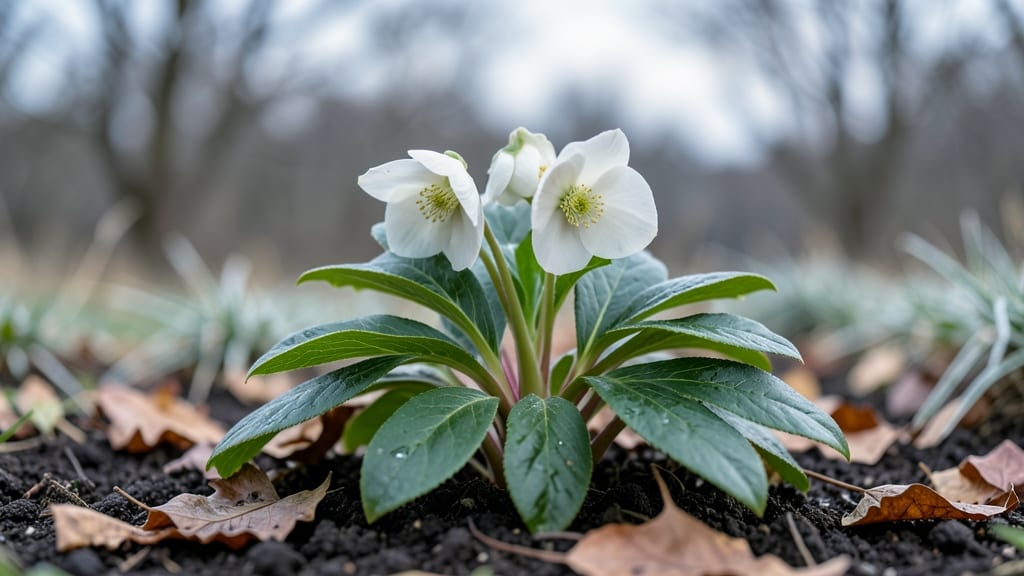
Are there flowers that bloom in winter? The answer is a vibrant yes, as winter-blooming flowers bring stunning color to your garden when most plants are dormant, proving that cold weather doesn’t mean colorless landscapes.
Picture this: snowflakes dusting your yard while delicate blooms like hellebores and camellias defy the chill, adding life to winter scenes. These hardy flowers aren’t just survivors—they’re showstoppers that turn frost into an opportunity for beauty.
From Zone 3 to Zone 10, there’s a winter-bloomer suited to your climate, whether you’re in a snowy prairie or a mild coastal region. The right species can transform bare branches into a winter wonderland of texture and hue, even when temperatures drop.
In this guide, I’ll walk you through the top 10 cold-hardy flowers, their care essentials, and how to weave them into your winter garden for year-round charm—no green thumb required.
Top 10 winter-blooming flowers that thrive in cold climates
Winter doesn’t have to mean a dull, brown landscape. With the right winter-blooming flowers, you can transform your garden into a vibrant winter wonderland. These cold-hardy species not only survive frost but thrive, offering stunning colors and textures when most plants are dormant.
Many gardeners assume flowers sleep through winter, but these 10 frost-resistant varieties prove otherwise. From delicate pansies to elegant camellias, these plants bring life to your garden even in USDA Zones 3-8. Let’s explore their unique characteristics and how to grow them successfully.
Hellebores (also called Lenten roses) are winter’s unsung heroes. These shade-loving perennials bloom from late winter to early spring, often before snow melts. Their nodding flowers come in shades of white, pink, purple, and green, making them perfect for woodland gardens or under trees.
Winter jasmine (Jasminum nudiflorum) is another standout. Its bright yellow flowers appear on bare stems as early as December, providing cheerful color when little else is blooming. This semi-evergreen vine thrives in full sun to partial shade and is incredibly low-maintenance.
For a pop of color in containers or borders, pansies are unbeatable. These annual or biennial flowers tolerate light frosts and bloom from late fall through spring. Choose Viola tricolor varieties for cold tolerance, with colors ranging from deep purple to sunny yellow.
| Flower Name | Bloom Season | Hardiness Zones | Sunlight Needs | Soil Type |
|---|---|---|---|---|
| Hellebores | Late Winter-Early Spring | 3-9 | Partial Shade | Moist, Well-Draining |
| Winter Jasmine | December-February | 5-9 | Full Sun-Partial Shade | Well-Draining |
| Pansies | Fall-Spring | 3-11 | Full Sun-Partial Shade | Rich, Fertile |
| Camellias | Winter-Spring | 7-9 | Partial Shade | Acidic, Well-Draining |
| Snowdrops | Late Winter-Early Spring | 3-9 | Full Sun-Partial Shade | Moist, Well-Draining |
| Winter Aconite | Late Winter-Early Spring | 4-8 | Full Sun-Partial Shade | Well-Draining |
| Crocuses | Winter-Spring | 3-8 | Full Sun | Well-Draining |
Daff
How to choose and plant winter flowers for maximum impactSelecting the right winter flowers for your climate zone is the first step to creating a vibrant winter garden. Unlike spring or summer blooms, these plants must tolerate cold temperatures and frost exposure while still thriving. For example, Hellebores and Camellias are excellent choices for zones 5-9, while Pansies and Violas can handle zones 3-10. Always check your USDA hardiness zone to ensure your selections will survive local winters. Before planting, prepare your soil to give winter flowers the best chance at success. These plants often struggle with poor drainage and compacted soil, which can lead to root rot. Amend your soil with organic matter like compost or well-rotted manure, and consider adding a layer of mulch to insulate roots. For container gardening, use a high-quality potting mix with perlite or sand to improve aeration and drainage.
❄️ Pro Tip: Are there flowers that bloom in winter? Yes! Look for evergreen perennials like Winter Jasmine or Snowdrops, which thrive in partial shade and moist soil. For sunnier spots, Pansies and Calendulas offer bold colors. Always plant in fall or early spring to establish roots before winter sets in.
Timing your planting is crucial for winter success. Most cold-hardy flowers should be planted in late summer or early fall, giving them time to establish roots before the first frost. If you're in a warmer climate (zones 8-10), you can plant as late as November. For container plants, use pots with drainage holes and group them together to create a microclimate that retains warmth. Avoid planting too close to walls or fences, as these can trap cold air and damage tender roots. When planting, dig holes twice as wide as the root ball but only as deep. This encourages root expansion without burying the plant too deeply. Gently loosen the roots if they're circling and place the plant at the same depth it was in its container. Water thoroughly after planting to settle the soil and remove any air pockets. For added protection, apply a 2-3 inch layer of mulch around the base, but keep it 2 inches away from the stem to prevent rot. After planting, monitor your winter flowers for signs of stress. Yellowing leaves may indicate overwatering, while brown edges could signal frost damage. Adjust your watering schedule—most winter bloomers need less frequent watering than summer plants. In extreme cold (below 20°F), consider covering delicate plants with burlap or frost cloth during the night. Always remove covers during the day to allow sunlight and airflow. With the right climate-adapted flowers, proper soil prep, and careful planting techniques, your winter garden can be just as stunning as your spring or summer displays. Start small with 3-5 varieties to test what thrives in your space, and expand next season. Your winter garden will thank you with bold colors and year-round interest! 🌷 |