
Blooming
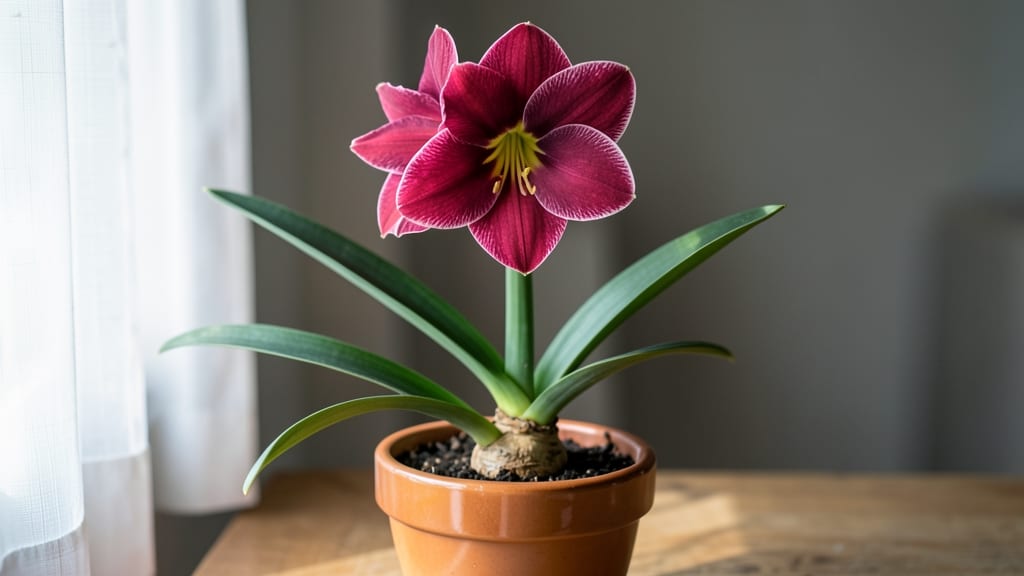
Amaryllis bloom time varies dramatically by variety and care, but most stunning 🌸 flowers appear between 6 and 10 weeks after planting—or forcing, if you're growing them indoors.
Picture this: You’ve waited months for those bold blossoms, only to wonder why your Zone 6 amaryllis is playing hard to bloom. The truth? Light exposure, planting timing, and even temperature can shift that window by weeks.
Some varieties like Hippeastrum 'Apple Blossom' burst into color in just 60 days, while others take twice as long.
In this guide, I’ll break down the exact bloom windows for popular types, how to adjust light for faster flowers, and the 5 simple tricks that’ll get your amaryllis blooming reliably—whether you’re forcing them indoors or planting outdoors in fall.
Ready to predict (and control) your first show-stopping blooms? Let’s dive into the science—and the shortcuts—behind amaryllis timing.
Amaryllis bloom time by variety: fastest to slowest flowering species
If you're eager to see those show-stopping amaryllis blooms, timing is everything—and it starts with your variety choice. Some amaryllis types burst into flower in just 6 weeks, while others take nearly 3 months to reward you with their stunning blooms.
The difference often comes down to genetics, light exposure, and even when you planted them. Let’s break down the fastest to slowest bloomers so you can set realistic expectations for your Hippeastrum (the true amaryllis genus).
First, remember that indoor forcing (growing amaryllis as a houseplant) typically speeds up blooming compared to outdoor planting. Most varieties bloom in winter or early spring, but with the right care, you can coax earlier or later flowers.
The key is understanding each variety’s natural bloom window and adjusting your planting schedule accordingly.
Here’s the secret: Paper White (Narcissus papyraceus) isn’t a true amaryllis but often gets lumped in—it blooms in just 4-6 weeks when forced indoors. True amaryllis varieties like 'Apple Blossom' or 'Red Lion' take longer, but the difference can be dramatic. Let’s compare the top performers:
| Variety | Avg. Bloom Time (Weeks) | Peak Bloom Season | Light Needs | Notes |
|---|---|---|---|---|
| Paper White (Narcissus papyraceus) | 4-6 | Winter (Dec-Feb) | Bright indirect | Fastest bloomer; fragrant but not a true amaryllis |
| 'Apple Blossom' | 6-8 | Late winter (Jan-Mar) | Bright indirect | Pink blooms; reliable for indoor forcing |
| 'Red Lion' | 7-9 | Early spring (Feb-Apr) | Partial sun | Deep red blooms; taller stems (up to 2 ft) |
| 'Pink Beauty' | 8-10 | Spring (Mar-May) | Bright indirect | Soft pink blooms; great for containers |
| 'Black Pearl' | 10-12 | Late spring (Apr-Jun) | Partial sun | Near-black blooms; slowest but dramatic |
Notice how 'Black Pearl' takes the longest to bloom? That’s because its dark petals require more energy to develop, and the bulb often needs a longer resting period before forcing.
Conversely, 'Apple Blossom' is a fast bloomer because it’s bred for early indoor forcing—perfect if you want winter cheer without waiting months.
Seasonal variations also play a role. If you plant outdoors in fall (Zone 6-10), blooms may appear 6-8 weeks later than indoor-forced bulbs. For example, a 'Red Lion' planted in October might bloom in February**, while the same bulb forced indoors in September could flower by January.
The key is timing your planting to match your desired bloom window.
Pro tip: Light exposure can shave weeks off bloom time. Place your amaryllis in a south-facing window (with filtered light) or under grow lights for 12-14 hours daily to speed up flowering.
Without enough light, your plant may produce leggy stems and delay blooming by 2-4 weeks. Aim for bright indirect light to keep stems sturdy and buds forming on schedule.
Want to extend your amaryllis’s bloom time? After the flowers fade, let the foliage grow for 6-8 weeks to recharge the bulb.
How light exposure affects amaryllis bloom time and flower count
Amaryllis bulbs need the right balance of light exposure to trigger blooming. Too little light delays flowers for weeks, while too much can cause leggy stems and fewer blooms. Understanding your plant’s light needs is key to predicting when those stunning 6-inch flowers will appear.
Indoor amaryllis, for example, often bloom later than outdoor plants because indoor light is typically weaker.
Most amaryllis varieties thrive with 4-6 hours of bright indirect light daily. This means placing them near an east-facing window or under grow lights if natural light is limited.
Direct afternoon sun can scorch leaves, while dim corners slow down growth and delay blooming. The ideal light window is morning sun paired with afternoon shade.
⚠️ callout-warning
Too little light = delayed blooms (3+ weeks late). Too much direct sun = leggy stems and fewer flowers. Rotate pots weekly for even growth, and avoid south-facing windows in hot climates.
🌱 Fix leggy stems: Move to brighter light immediately and reduce watering slightly.
Outdoor amaryllis planted in partial shade (like under trees with dappled light) often bloom earlier than indoor plants because they receive more natural light variation.
However, if you notice buds forming but not opening, your plant may need a cooler nighttime temperature (60-65°F) combined with bright morning light to trigger full blooms.
For indoor amaryllis, supplement natural light with a 12-hour grow light cycle if blooming feels sluggish. Place the bulb under a full-spectrum LED grow light 12 inches away for 6 hours daily.
This mimics outdoor conditions and can advance bloom time by up to 2 weeks compared to low-light setups.
Watch for these light-related signs to adjust care: Yellowing leaves mean too much direct sun, while stretched stems signal insufficient light. Reposition your amaryllis immediately—these issues directly impact flower count. A well-lit plant typically produces 2-6 blooms per stem, while underlit ones may only yield 1-2.
Pro tip: If your amaryllis blooms early (December-January), it’s likely getting optimal light exposure. Later blooms (February-March) often indicate light deficiencies or cooler indoor temperatures. Adjust light sources now to encourage next year’s flowers to appear sooner.